

SAN FRANCISCO (Realist English). On 19 November, Anthropic PBC, the developer of the Claude model, will list on Nasdaq under the ticker ANT. The company has set a price range of $70–78 per share and plans to offer 825 million shares, which at the upper end of the range implies a valuation of about $1.4 trillion and proceeds of up to $64.4 billion. This is the largest IPO in history — bigger than SpaceX’s offering ($75 billion in June).
In parallel with the public offering, Anthropic has entered into an agreement for a private sale of non-voting shares worth $26 billion to AMD, Broadcom, Google, Micron, Microsoft, Nvidia and TSMC. Google and Nvidia are each investing $10 billion. According to sources, demand for the IPO exceeded supply by roughly six times.
Financial performance: revenue growth and the scale of obligations
In the first nine months of 2026, Anthropic reported revenue of $33.2 billion, up from $2.5 billion a year earlier. The annual run-rate reached $81 billion by the end of October. The operating loss for the same period was $1.3 billion — substantially less than $5.2 billion a year earlier; the net loss of $104 billion is predominantly non-cash and related to the revaluation of convertible bonds.
A key feature of Anthropic is the scale of its long-term obligations. The company disclosed about $900 billion in contracted computing infrastructure expenses, including at least $110 billion for Amazon over 10 years, $400 billion in cloud agreements and $300 billion in obligations to data center and chip partners.
These obligations explain why the success of Anthropic’s IPO matters to Nvidia, Google and Microsoft not only as an investment: the company generates demand for their products, and its stability directly affects their revenue.
A change in the AI narrative’s leader
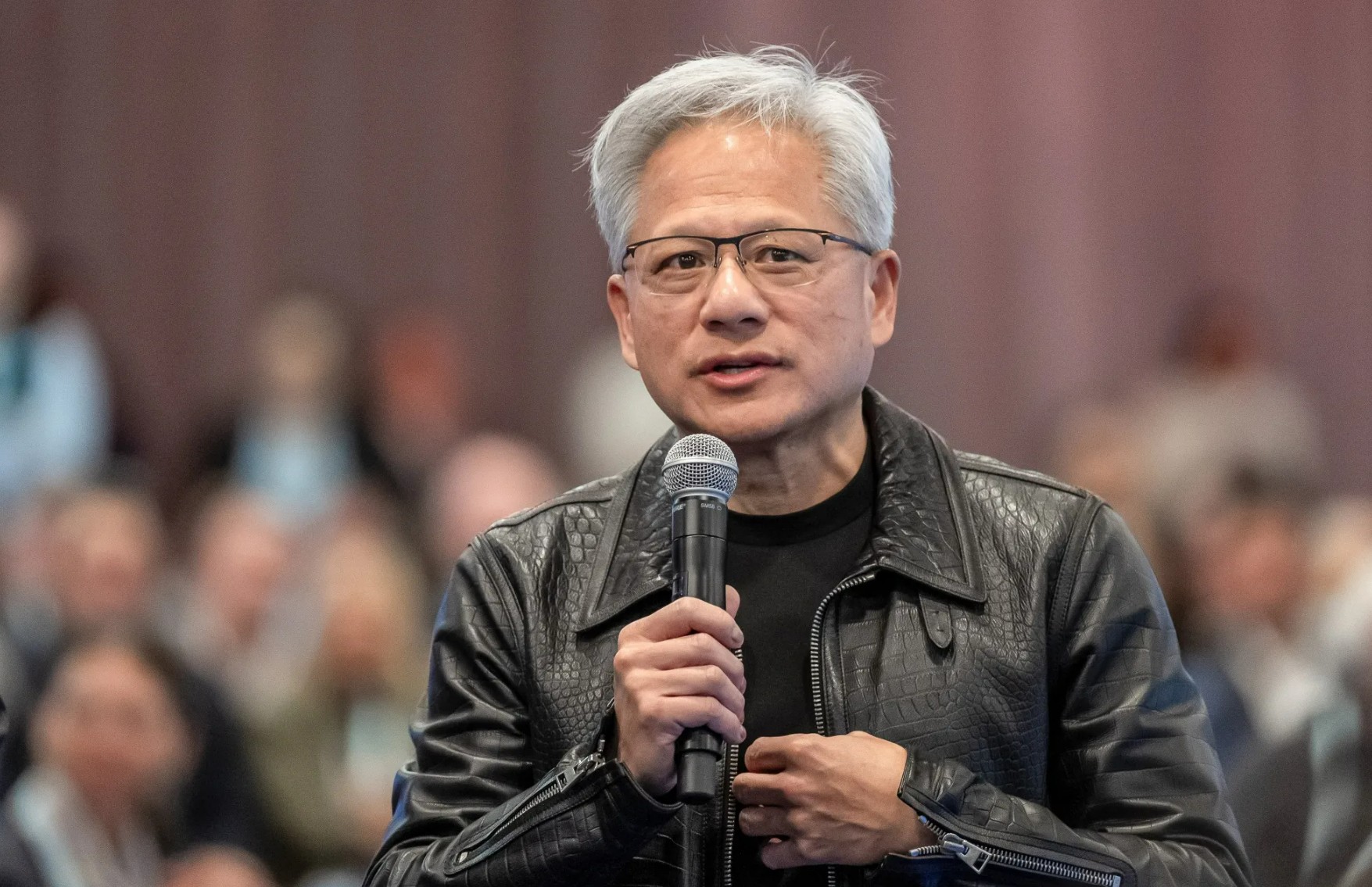
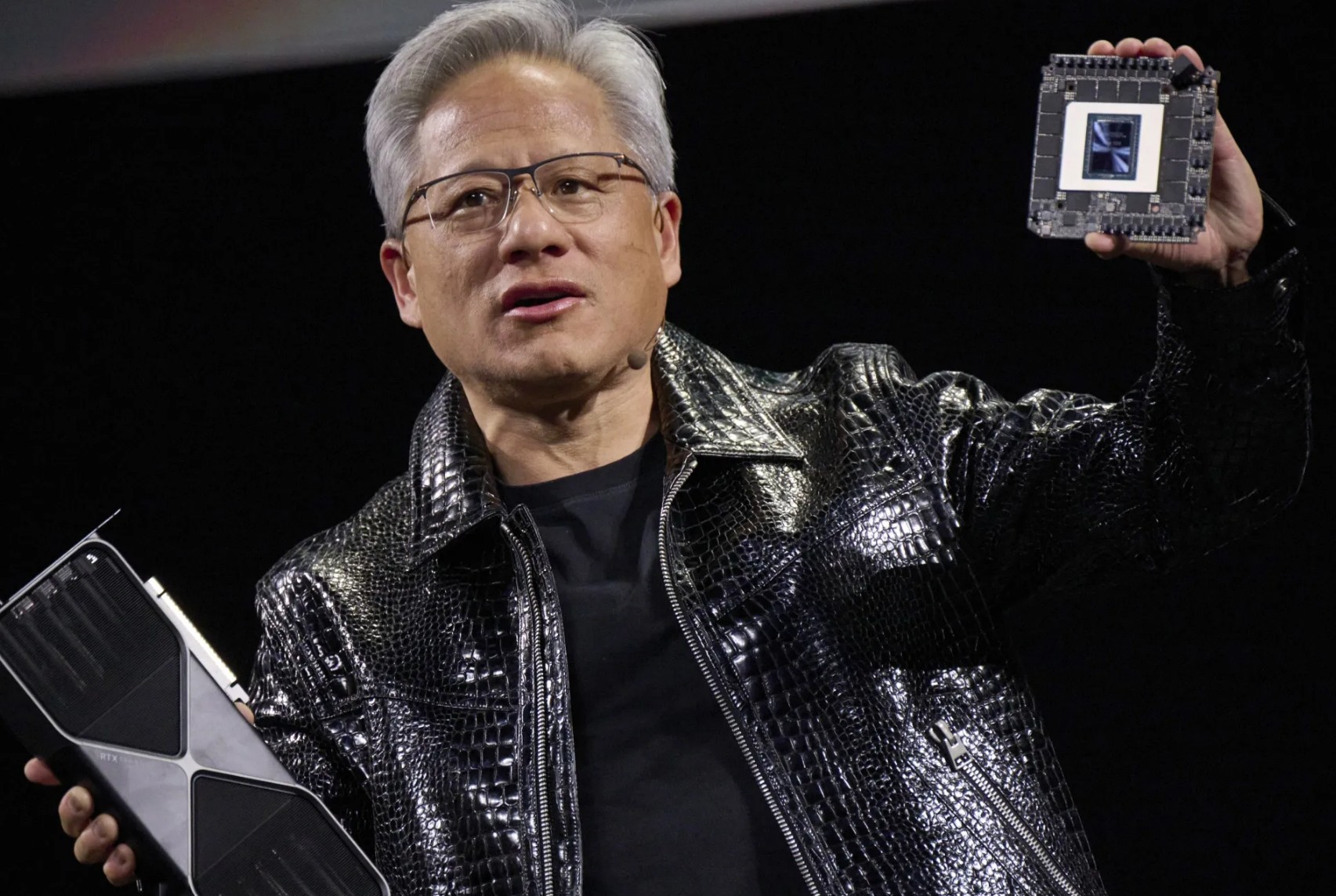
The offering is taking place against the backdrop of the crisis around Nvidia and its CEO Jensen Huang. Last week, Nvidia lost 13% of its value, and Huang temporarily stepped back from management.
As Bloomberg notes, Anthropic’s entry into the public market shifts onto CEO Dario Amodei the role of the industry’s main public representative and at the same time requires proving that money can be made not only from selling chips but also from models.
Anthropic’s positions in the enterprise segment are reinforced by a “security as a competitive advantage” strategy: the company built its reputation through Constitutional AI and responsible deployment, which secured contracts with major corporations and government agencies. In benchmarks, Claude Opus 4.6 leads in code quality (80.8% on SWE-bench) and expert preference, trailing GPT-5.4 Pro in abstract reasoning and Gemini 3.1 Pro in scientific tasks.
Limits and risks
The key question is whether Anthropic can justify a $1.4 trillion valuation on $81 billion in revenue. The multiple is about 12.6 times annual revenue for a capital-intensive business. Investor Melody Hobson of Ariel Investments compared the situation to the 1999 dot-com bubble, pointing to market concentration: the ten largest companies account for about 37% of the S&P 500’s value, while cloud giants spend more on infrastructure than they generate in free cash flow.
A separate risk is the “circular financing” model: Nvidia and Google invest in Anthropic, which buys their products; if expected profits fail to materialize, this scheme could amplify a correction.
The governance structure also limits the influence of new shareholders: the founders retain a class of shares with 50.1% of votes, and the Long-Term Benefit Trust elects a majority of the board. For the AI market, the immediate effect of the offering will be most noticeable in Anthropic’s own performance and in whether it is followed by a wave of public exits by other model developers — and that is precisely where it is most sensitive for the entire ecosystem.