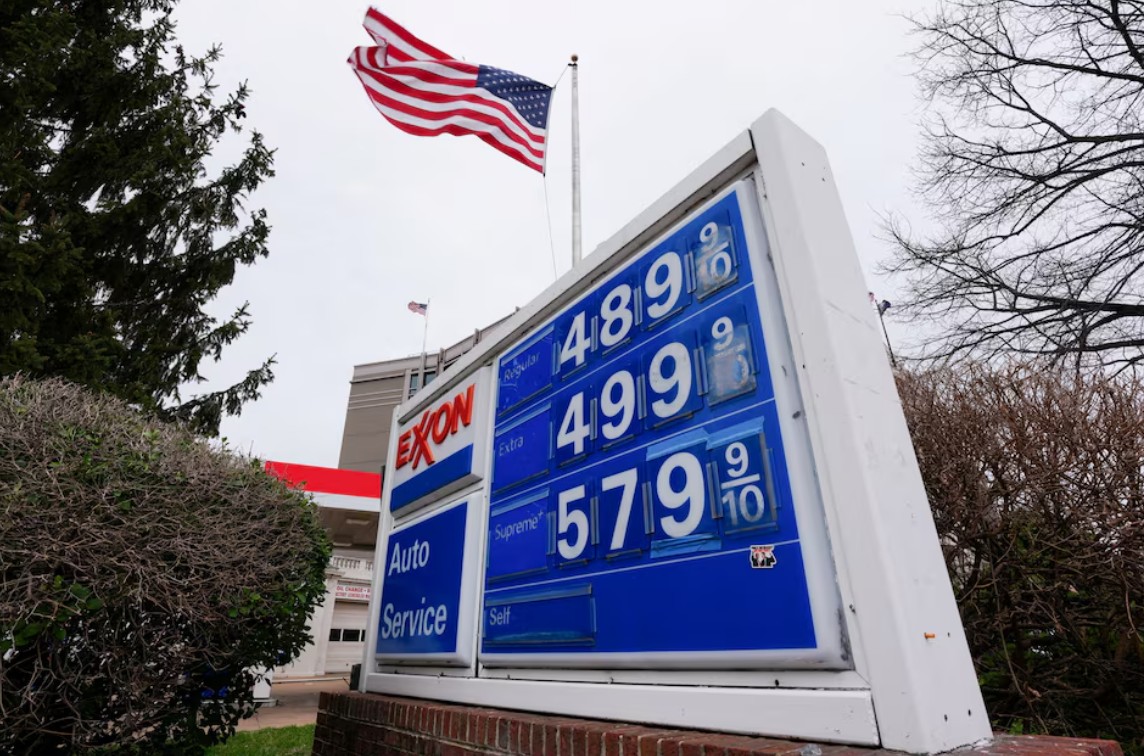
NEW YORK (Realist English). The average US national retail price of diesel fuel fell to $5.998 a gallon on 14 November, crossing below the $6 mark for the first time since early September. This is according to data from the fuel price tracker GasBuddy, cited by Reuters. Prices peaked on 22 September, when diesel reached an all-time high of $6.519 a gallon; in California, fuel prices briefly exceeded $10 a gallon.
The mechanism of the decline: oil, seasonality and refineries
The key factor behind the drop was the dynamics of the oil market. Brent futures lost 18.5% over two weeks, which translated directly into lower refining costs.
Seasonal factors also came into play: demand for diesel traditionally weakens in autumn — the intensity of road travel declines, and the Gulf of Mexico hurricane season ends, reducing the risk of supply disruptions from local refineries.
In addition, according to Patrick De Haan, head of petroleum analysis at GasBuddy, scheduled maintenance at refineries was largely completed by November, allowing production volumes to recover. Additional downward pressure on prices came from expectations of reduced military escalation between the US and Iran: the easing of the geopolitical premium in oil prices also reduced refining costs.
Political context: prices as an electoral factor
The price decline comes amid the political fallout from the fuel crisis. High diesel prices were one of the factors contributing to the defeat of Donald Trump’s Republicans in this month’s midterm elections: Democrats gained control of both chambers of Congress.
The Trump administration had previously taken measures to curb prices, including a temporary repeal of the federal tax on red-dyed diesel, easing sanctions on Russian fuel and launching an $8 billion farmer support program, but according to Reuters estimates, these steps produced only a limited effect.
A separate channel of influence was the agreement with Russia on diesel supplies. According to Kommersant, citing a statement by Russian Foreign Minister Sergey Lavrov, Moscow supplied 300,000 tonnes of diesel fuel to the US and global markets, and from November committed to supplying another 500,000 tonnes. This helped cool prices, although US retail prices at the time of the elections remained near historic highs.
Limits and risks
Despite the positive dynamics, the sustainability of the decline is in question. US distillate inventories, according to EIA data at the beginning of November, had fallen to levels close to the lowest since 2003, although a subsequent increase of 4.1 million barrels — to 103.3 million — was recorded.
However, even with this replenishment, inventories remain below five-year averages, which limits the market’s ability to absorb new supply disruptions.
In addition, the diplomatic track with Iran remains fragile. Qatar, acting as a mediator, has confirmed that contacts continue, but the sides retain significant differences: Tehran demands the lifting of the naval blockade and the unfreezing of assets, while Washington insists on maintaining pressure. For US consumers and farmers, the immediate effect will be most noticeable primarily in the diesel segment — and that is precisely where it is most sensitive for transport and agricultural costs.