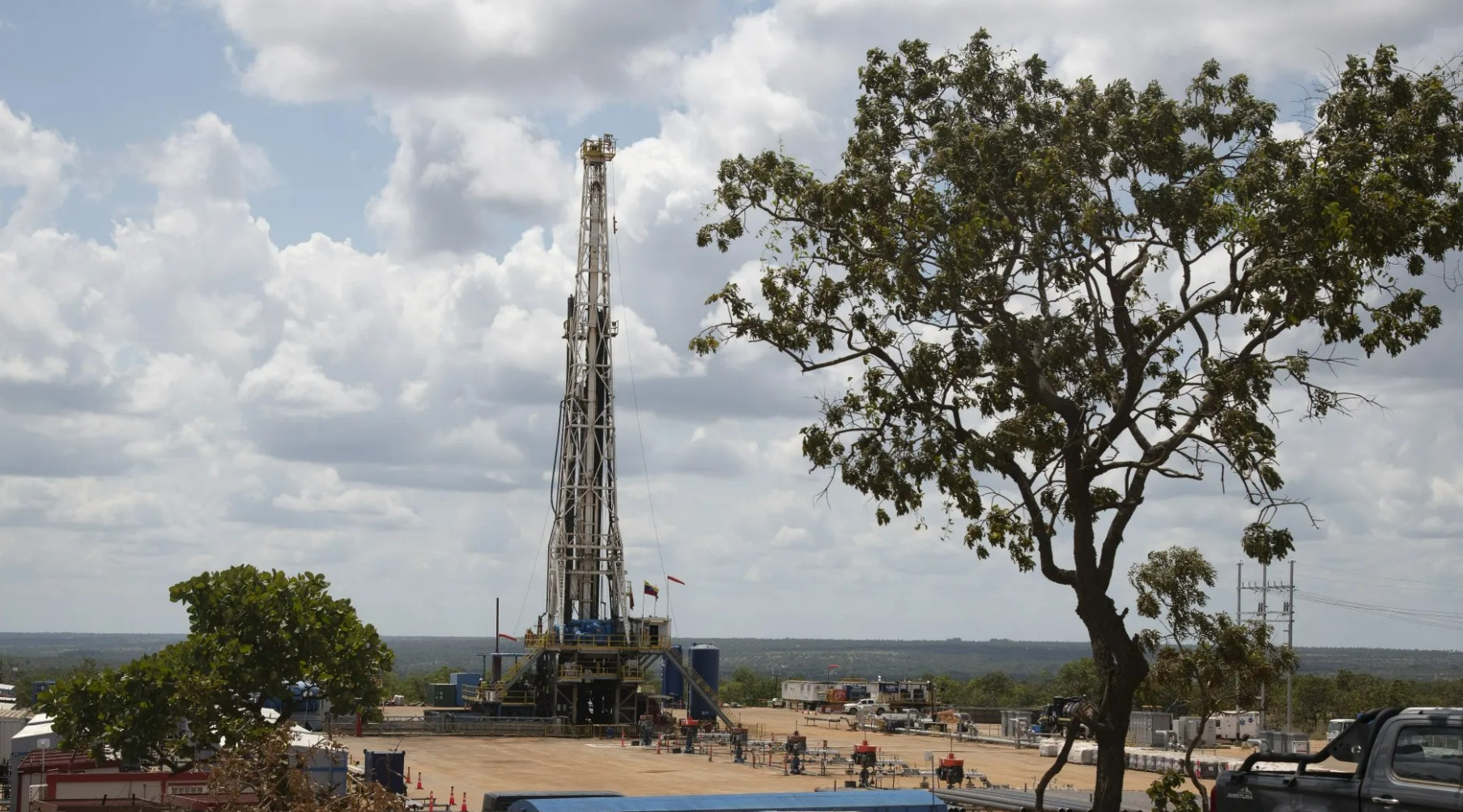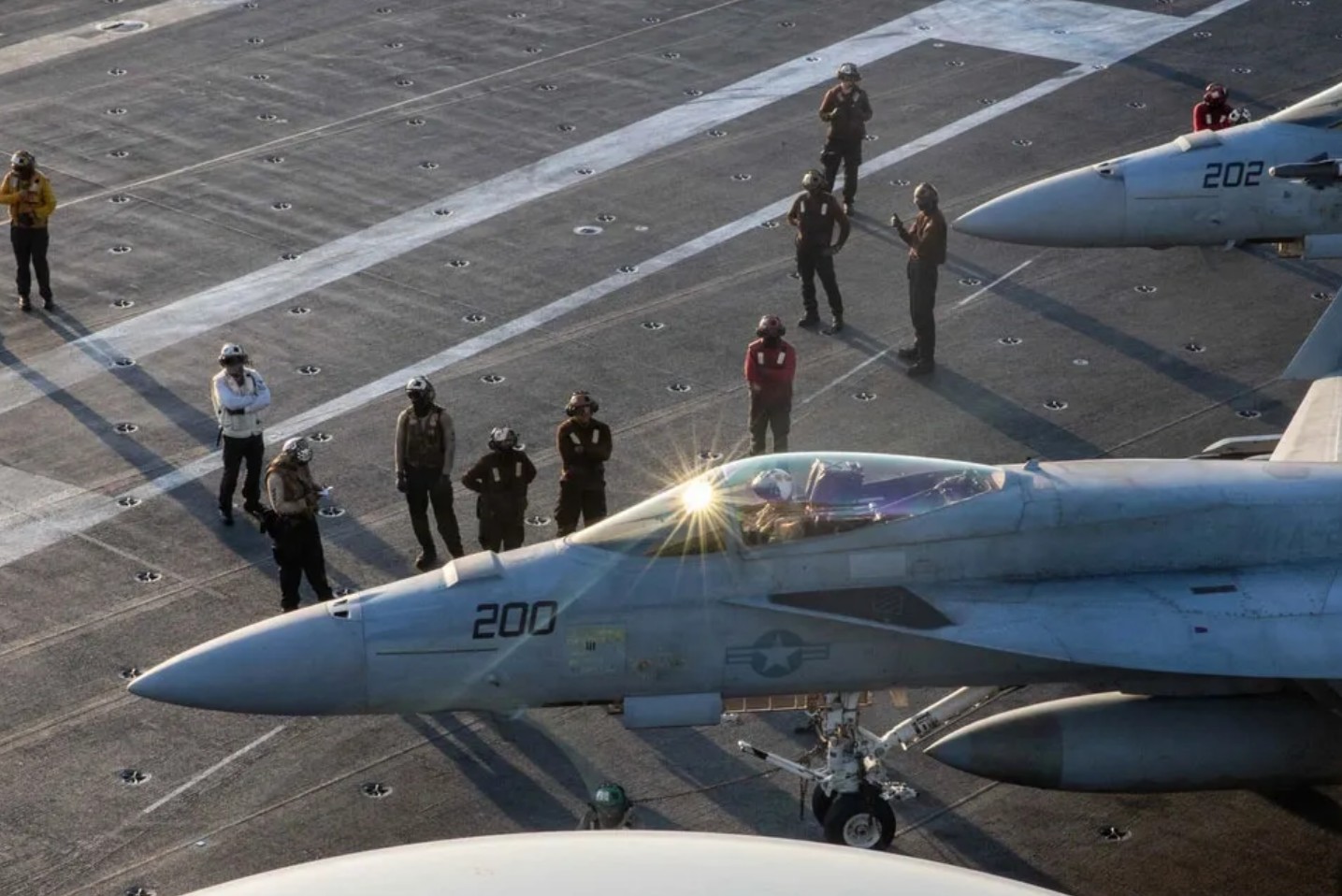
DOHA (Realist English). In the early hours of 3 November, US forces struck Qeshm Island in the Strait of Hormuz. According to a US official, the strikes were “defensive” and targeted anti-aircraft missiles used against US assets; another source described them as “limited,” not signalling a resumption of large-scale hostilities. Iran’s state news agency IRNA reported several explosions on the island, while US Central Command did not respond to a request for comment.
Diplomacy not halted
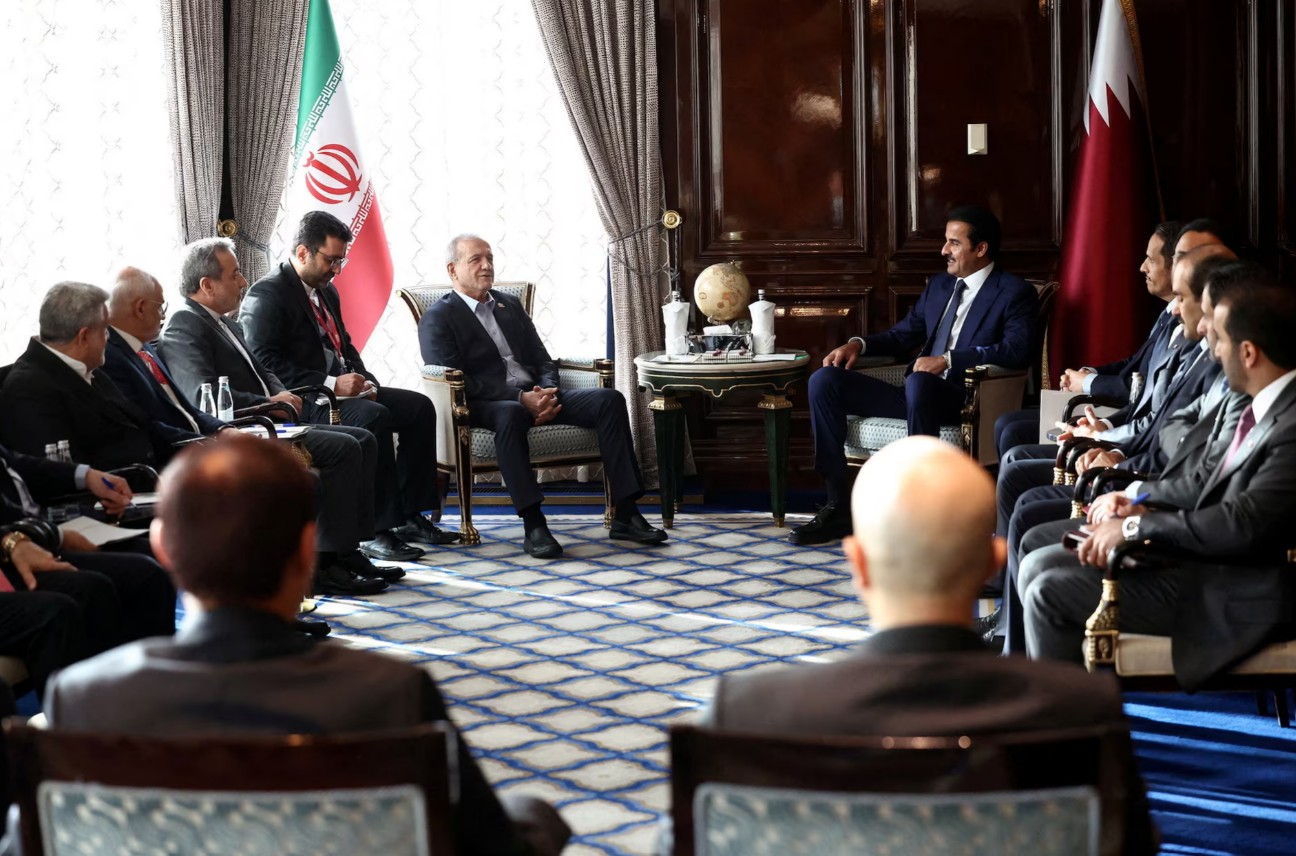
Despite the strikes, the negotiating track remains active. Qatari Foreign Ministry spokesman Majed al-Ansari said the US and Iran are “committed to the negotiation process” and are exchanging proposals through mediators in real time.
“We remain hopeful that there is still a chance for a deal,” Reuters quoted him as saying. The Qatari delegation that travelled to Tehran has returned to Doha, but consultations continue.
Iranian negotiators left Doha on 1 November after three days of consultations, but according to a source, this was not due to difficulties in the dialogue — the sides exchanged drafts, and a follow-up meeting is possible. Iranian Foreign Minister Abbas Araghchi confirmed that indirect talks via Qatar and Pakistan are proceeding “very intensively.”
Positions of the parties
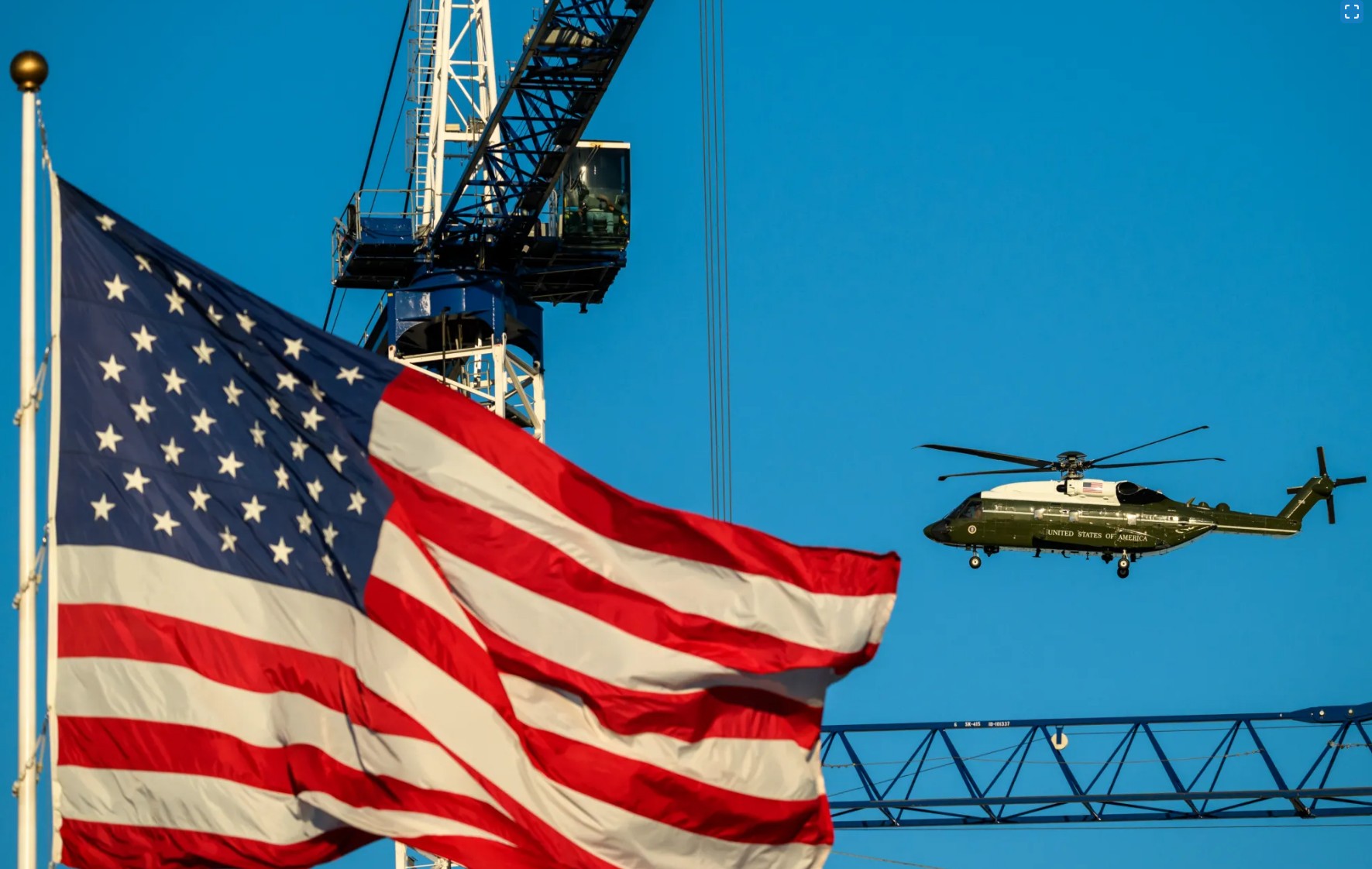
US President Donald Trump said on 2 November that a deal with Iran “could happen” and answered “no” when asked whether he was considering resuming strikes after the midterm elections. Vice President JD Vance said that he and Trump had “good conversations” with the Iranian side, and Washington is not setting deadlines for reaching an agreement.
Iran, for its part, insists on the fulfilment of its conditions before negotiations on the nuclear programme begin. Under the “seven-step plan” proposed in September and now reduced to a “two-day” scenario, Tehran demands the lifting of the naval blockade of Iranian ports, the unfreezing of assets, the removal of oil sanctions and an end to the war on all fronts; in exchange, Iran is ready to open the Strait of Hormuz. Parliament Speaker Mohammad Bagher Qalibaf said that “the ball is now in America’s court.”
At the same time, a senior Iranian official told Reuters that the sides are “still far from a deal,” and Iran will not accept Washington’s “excessive demands” and will respond to strikes “firmly, in the region and beyond.”
Strait of Hormuz and the nuclear issue
The key sticking point remains the Strait of Hormuz. Before the war, about a fifth of global oil and LNG trade passed through it; its reopening is critical for energy supplies.
Iran proposes a new route in the strait, coordinated with Oman, and insists that Washington recognise it. On the same day, 3 November, three oil tankers struck mines in the strait and caught fire; the Islamic Revolutionary Guard Corps said the vessels were travelling on unauthorised routes with identification systems turned off.
The nuclear issue, according to the Iranian side, can only be discussed after Tehran’s conditions are met. The US insists that Iran’s nuclear programme be addressed from the very start of negotiations.
External players
China has called for a return to diplomacy: Foreign Minister Wang Yi met with Iranian and Saudi officials in Beijing on 2 November, and a special envoy for the Middle East will travel to Iran, Oman and Saudi Arabia this month. Russia has also called for stepping up diplomatic efforts; the head of Iran’s Security Council discussed the conflict with President Vladimir Putin.
The situation reproduces the familiar pattern of “escalation for bargaining”: the US carries out limited strikes to retain leverage but avoids steps that would derail the talks; Iran, in turn, hardens its rhetoric and sets conditions while participating in the exchange of proposals.
However, a fundamental gap remains: Tehran demands an end to the war and the lifting of the blockade before nuclear talks begin, whereas Washington insists that the nuclear programme be discussed from the very start. The key question is whether diplomacy will continue after the US midterm elections, or whether the “limited” strikes will become a prelude to a resumption of a large-scale campaign.