BEIJING (Realist English). China, Asia’s largest “balancing” supplier of refined products, is preparing for a sharp reduction in diesel fuel exports. According to Energy Aspects, state-owned refineries will reduce overseas shipments in November, as commercial diesel stocks fell to 11.1 million tonnes (about 83 million barrels) by the end of October — the lowest level since 2011, when consultancy Oilchem began keeping statistics.
Scale of the cut
Energy Aspects lowered its November diesel export forecast by 400,000 tonnes to 580,000 tonnes in a note dated 5 November. At the same time, analysts allow for “upward revisions” as refineries seek to maintain high shipment volumes in anticipation of weaker domestic demand from mid-November.
According to estimates from five trading and industry sources cited by Reuters, total diesel exports in November could amount to less than 800,000 tonnes — the lowest since July. So far, Chinese refineries have sold only about 500,000 tonnes of diesel for November loading, and final agreements for the second half of the month have not yet been concluded.
Reasons: stock depletion after the summer surge
The cut is a consequence of the policy pursued in previous months. After export restrictions were eased in July, Chinese refineries sharply increased overseas shipments: in August, diesel exports reached 1.33 million tonnes, and in September — 1.8 million tonnes, which led to the depletion of domestic reserves. Since February, when the US, Israeli and Iranian war broke out, China has repeatedly tightened and eased export controls, requiring refineries to obtain monthly permits to prioritise domestic supply.
Additional pressure came from sustained domestic demand and lower-than-expected refining volumes. Wholesale diesel prices in Shandong province exceeded 10,000 yuan per tonne — the highest since 2018.
Domestic market: rationing and tying to gasoline
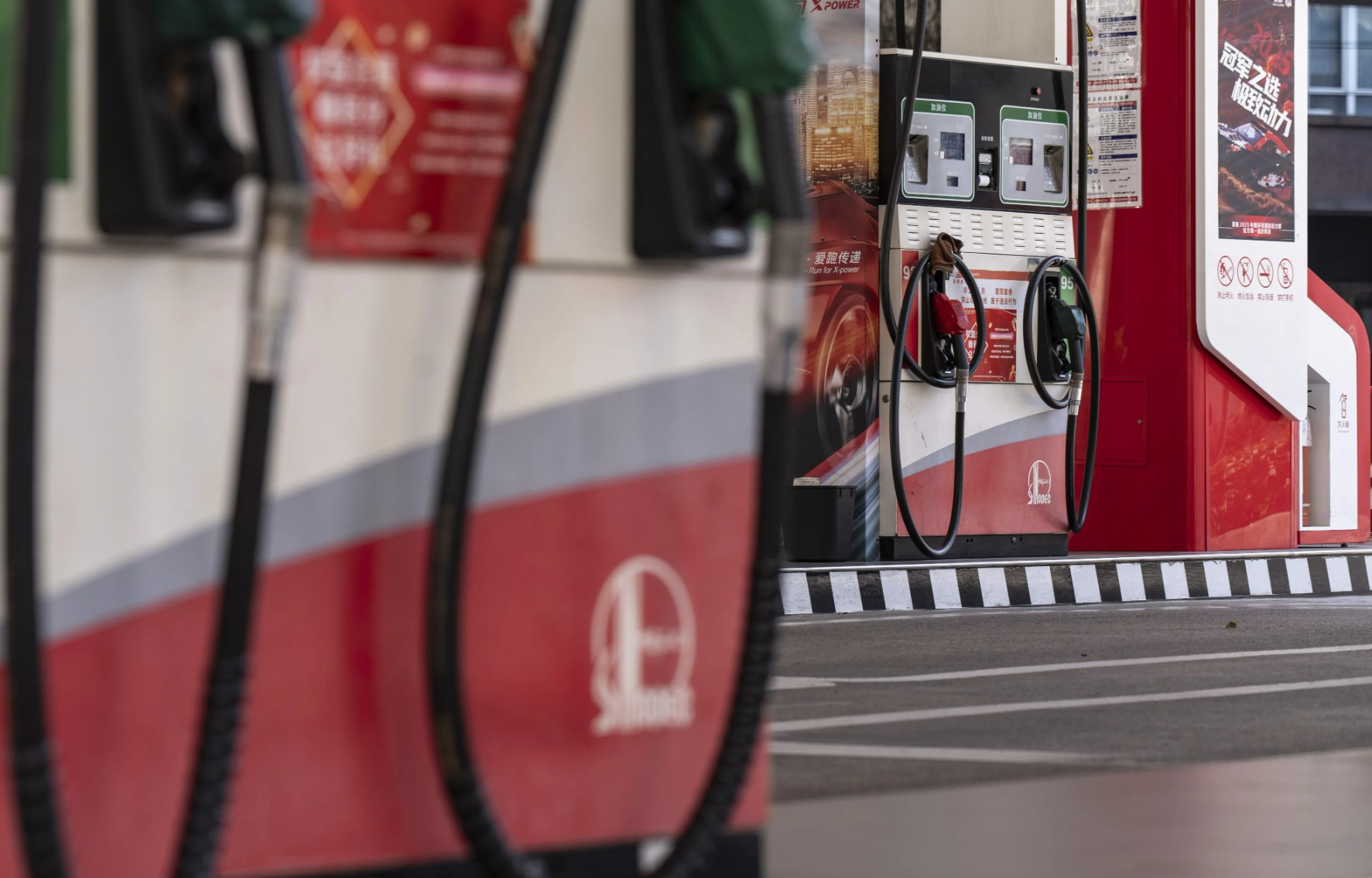
The shortage is already being felt on the ground. Chinese refineries over the past week have restricted diesel sales to large domestic consumers and dealers, and in some cases have tied the sale of each tonne of diesel to three tonnes of gasoline in order to maximise margins amid weak gasoline demand. Truck drivers in Guangdong, Hebei, Hubei, Shandong, Fujian, Zhejiang and Inner Mongolia have reported rationing at filling stations on social media, and some have been unable to obtain fuel.
Quotas and prospects
Despite the cut, Beijing had earlier expanded export quotas: in the fourth quarter, the available volume was 20.44 million tonnes, 44% more than a year earlier. Moreover, in late October a rare fourth quota package was issued, bringing the annual limit to 42 million tonnes — 6% above last year’s level. However, as GL Consulting notes, the additional quota volume “does not guarantee an immediate increase in physical shipments”: the November plan initially envisaged a month-on-month decline.
The preliminary refined product export plan for November, according to Mysteel OilChem, is about 5.17 million tonnes, up 32.9% from October, but this figure covers all categories — gasoline, diesel and jet fuel — not just diesel. GL Consulting considers a complete suspension of diesel exports unlikely, given the availability of feedstock, refinery flexibility and limited domestic demand growth.
The November cut in China’s diesel exports is not a policy reversal but an inevitable adjustment after excessively active summer shipments that depleted domestic reserves. China is balancing between its role as a key supplier to the Asian market and the need to guarantee its own stocks ahead of the winter season.
The expansion of quotas while physical shipments are being cut shows that formal permits alone do not create barrels: real stocks, margins and logistics drive the market. The key question is whether the shortage will persist after mid-November, when domestic demand is expected to weaken, or whether the cut in supplies will prove deeper than current forecasts suggest.
For Asian buyers accustomed to Chinese diesel as a “safety valve,” this means they will need to look for alternative sources and factor increased volatility into their plans.