GIBRALTAR (Realist English). On July 15, 2026, a historic agreement between the United Kingdom and the European Union on the status of Gibraltar comes into force, concluding four and a half years of negotiations following Britain’s exit from the EU.
From this day, the British Overseas Territory de facto becomes part of the Schengen Area: all passengers arriving at Gibraltar Airport from outside Schengen (including UK citizens) undergo dual passport control — first by Gibraltarian border guards, then by Spanish border guards.
At the same time, all checks on the land border between Gibraltar and the Spanish town of La Línea are completely abolished. The 118-year border regime, which had existed since the border opened in 1909, is now history.
What Changed on July 15
Airport. Passengers arriving at Gibraltar Airport undergo two consecutive checks: Gibraltarian passport control and Schengen control carried out by Spanish border guards. This model is similar to the system in place at London’s St. Pancras station, where Eurostar passengers pass through both British and French passport control. Gibraltar retains control over immigration policy and visa issuance.
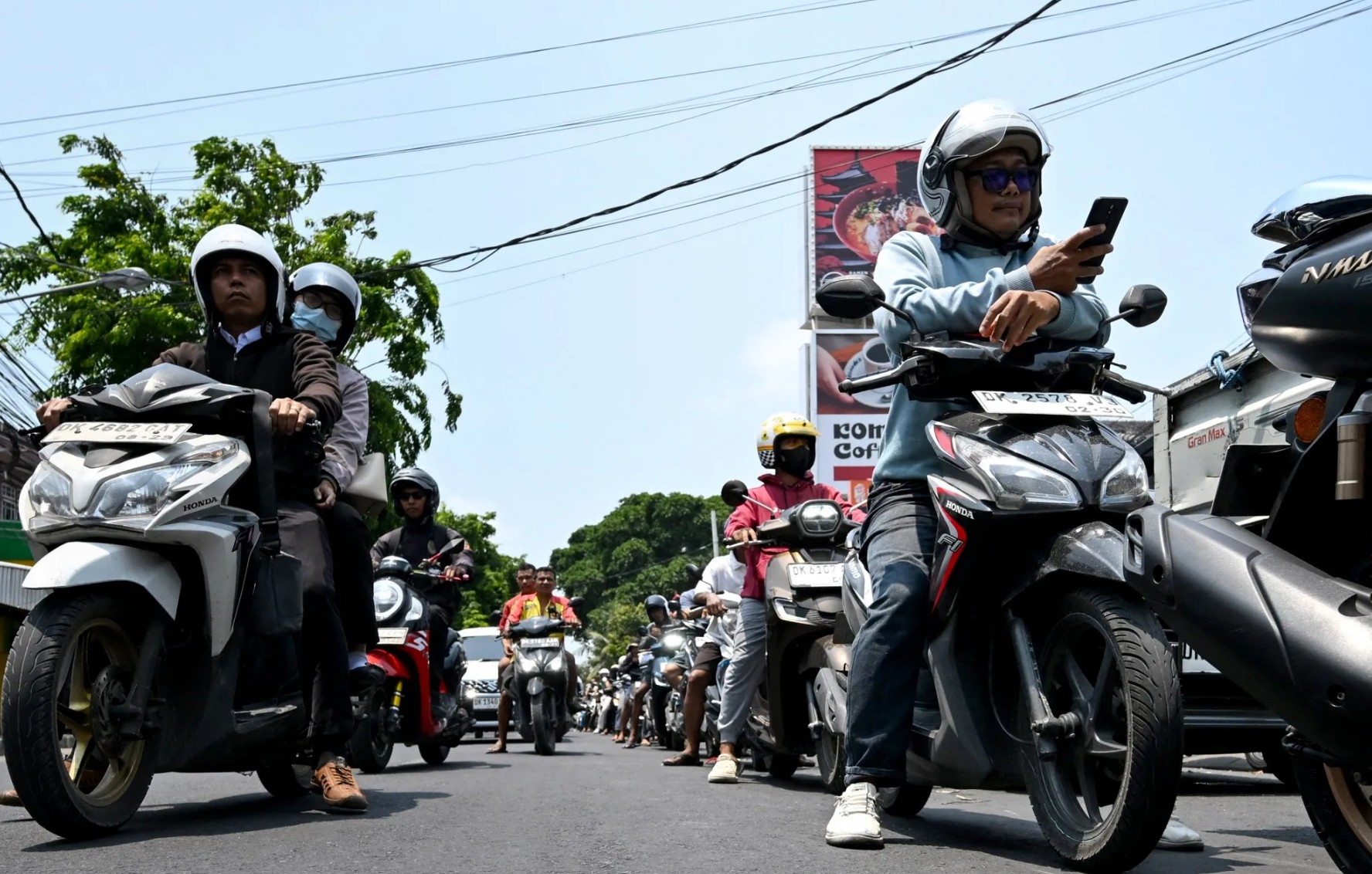
Land Border. All physical barriers, checks, and controls on the border between Gibraltar and Spain are removed. Approximately 15,000 people who cross the border daily (including 15,000 Spaniards working in Gibraltar) will no longer undergo passport checks. Residents of Gibraltar will be able to cross the border using identity cards, while Spanish citizens may use their national identity documents.
Goods. A joint customs zone between Gibraltar and the EU has been created, linked to Schengen rules. Goods checks at the land border are abolished.
EES: The New EU Entry/Exit System
Gibraltar becomes the first territory where the new EU Entry/Exit System (EES) is introduced simultaneously with the removal of the land border. It requires fingerprint collection and facial scanning for UK citizens and other non-EU nationals arriving in Gibraltar. Gibraltar’s 38,000 residents are exempt from EES. The Spanish government stated that the systems for checking passports, fingerprints, and facial scans are functioning “optimally.”
As Gibraltar’s Chief Minister Fabian Picardo noted: “Planes arrive roughly once an hour, so we should have time to process 140–150 passengers before a queue builds up.”
Political Significance: Sovereignty and Compromise
Gibraltar and UK authorities insist that the agreement does not affect British sovereignty over the territory. Immigration, policing, and law enforcement in Gibraltar remain the exclusive responsibility of Gibraltarian authorities.
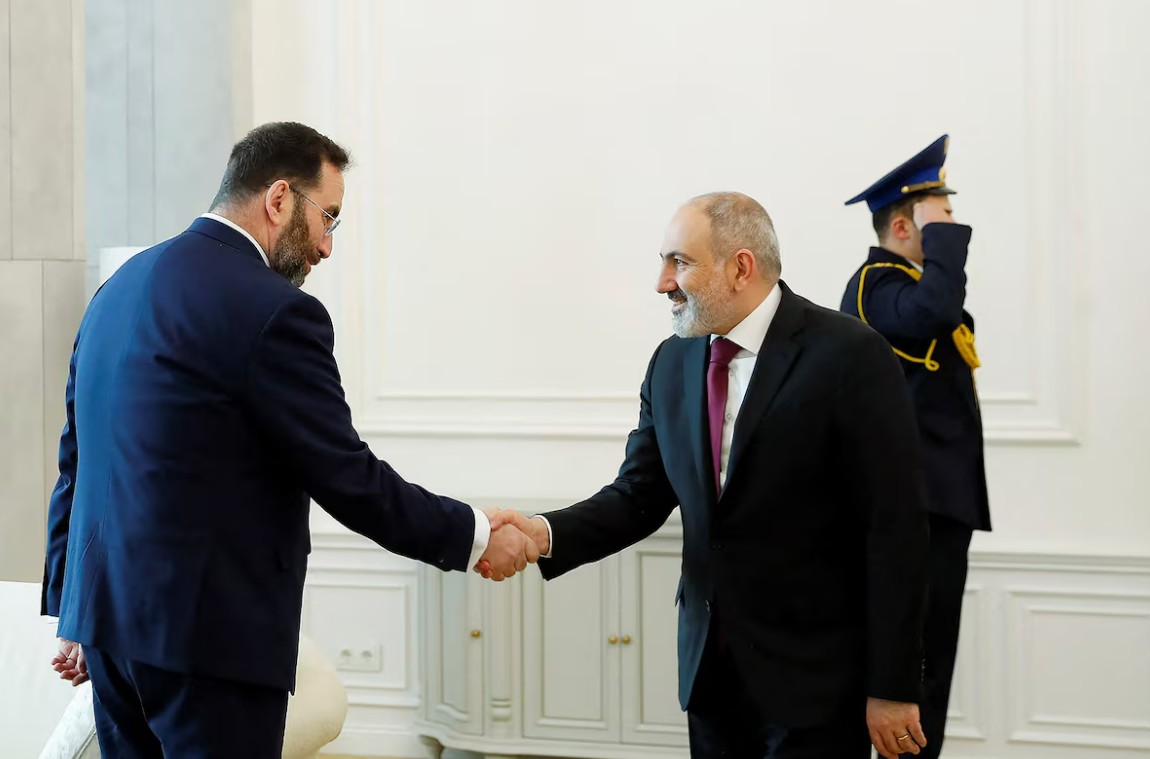
Nevertheless, Spain, which does not recognize British sovereignty over Gibraltar, has gained control over Schengen checks. Spanish Foreign Minister José Manuel Albares emphasized that the agreement does not “in the slightest” change Spain’s claims to sovereignty. According to him, the signing marks a “new era” in relations between Spain and Gibraltar. Spanish Prime Minister Pedro Sánchez will visit the border area on July 15, where workers have been dismantling the old chain-link fence barrier in recent weeks.
Gibraltar’s Chief Minister Fabian Picardo described the agreement as removing “physical barriers of a bygone era of friction” while retaining “the keys to our own front door.” At the same time, in an interview with The Telegraph, he called Brexit “the worst act of self-harm the UK has inflicted on itself since the Second World War.”
Economic Significance
The removal of border controls is a key victory for Gibraltar’s economy. Over half of the territory’s workforce crosses the border daily from Spain. As Owen Smith, head of the Gibraltar Federation of Small Businesses, noted, the “hassle” of crossing the border was a “significant factor” affecting staff retention. Manuel Triano Paulete, head of the CCOO union in the Campo de Gibraltar region, stated: “It’s important that this sword of Damocles disappears.”
Gibraltar, whose economy is based on financial services and online gambling, has one of the highest GDP per capita rates in the world. It has long been a source of livelihood for residents of the Campo de Gibraltar, which traditionally has one of the highest unemployment rates in Spain.
The agreement, signed in Brussels on July 14, completes the legal framework for relations between the EU and the UK/Gibraltar after Brexit. EU Trade Commissioner Maroš Šefčovič stated: “Shared prosperity, closer cooperation, and the removal of barriers for around 15,000 people who cross the border between Spain and Gibraltar every day. It is a very special feeling to see the fence come down.”
The agreement also provides for a joint UK-EU fund to support Gibraltar and the neighboring Spanish region, as well as tax arrangements, including a minimum 15% tax on transactions.