MOSCOW (Realist English). The Russian ruble has found itself at the center of a heated debate between business, the government, and the Central Bank.
While some are demanding that the national currency be weakened to 80–85 rubles per dollar, others insist on maintaining market-based exchange rate formation. President Vladimir Putin, for his part, states that the key rate should decline “naturally,” but does not give a specific timeline.
Strong Ruble — A Headache for Exporters
By the start of summer 2026, the Russian currency had shown impressive strengthening. According to the Central Bank, on June 10, the official dollar exchange rate was 71.73 rubles, which was 1 ruble 53 kopecks lower than the previous reading. The euro fell even more sharply — to 82.78 rubles (minus 2.5 rubles).
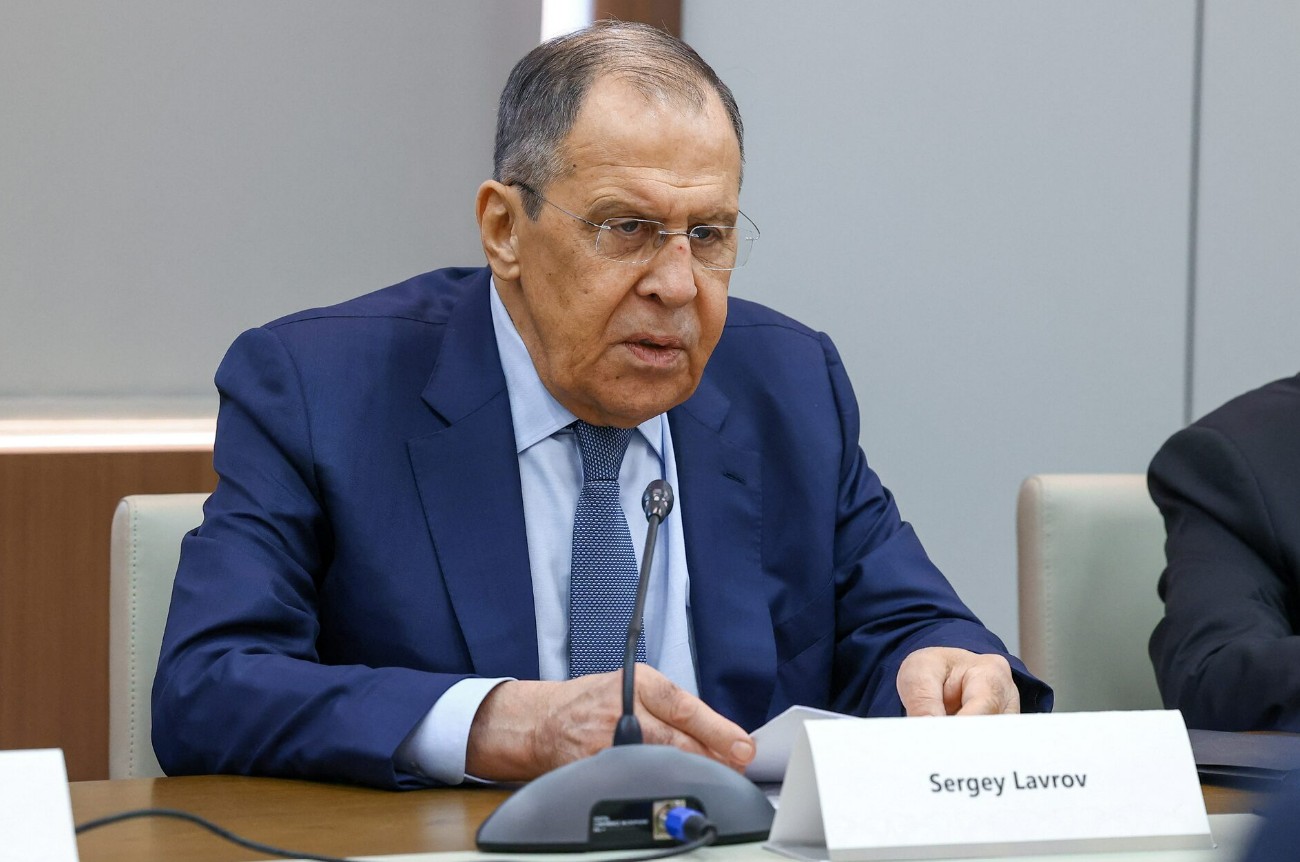
However, for Russian businesses, especially exporters, this situation proved extremely uncomfortable. Alexander Shokhin, head of the Russian Union of Industrialists and Entrepreneurs (RSPP), stated bluntly at a meeting with the president on June 10: “An excessively strong ruble has become an even more significant barrier to economic growth than a high key rate.”
Shokhin proposed weakening the ruble to 80–85 rubles per dollar, noting that such an exchange rate “would certainly be positively received by business.”
A similar position was voiced by Rosneft head Igor Sechin, who pointed to 2 trillion rubles in lost federal budget revenues in 2025 due to the strong ruble, as well as Sberbank head German Gref and VTB head Andrei Kostin, who allow for weakening to 80 per dollar by year-end.
Putin: Rate Will Decrease
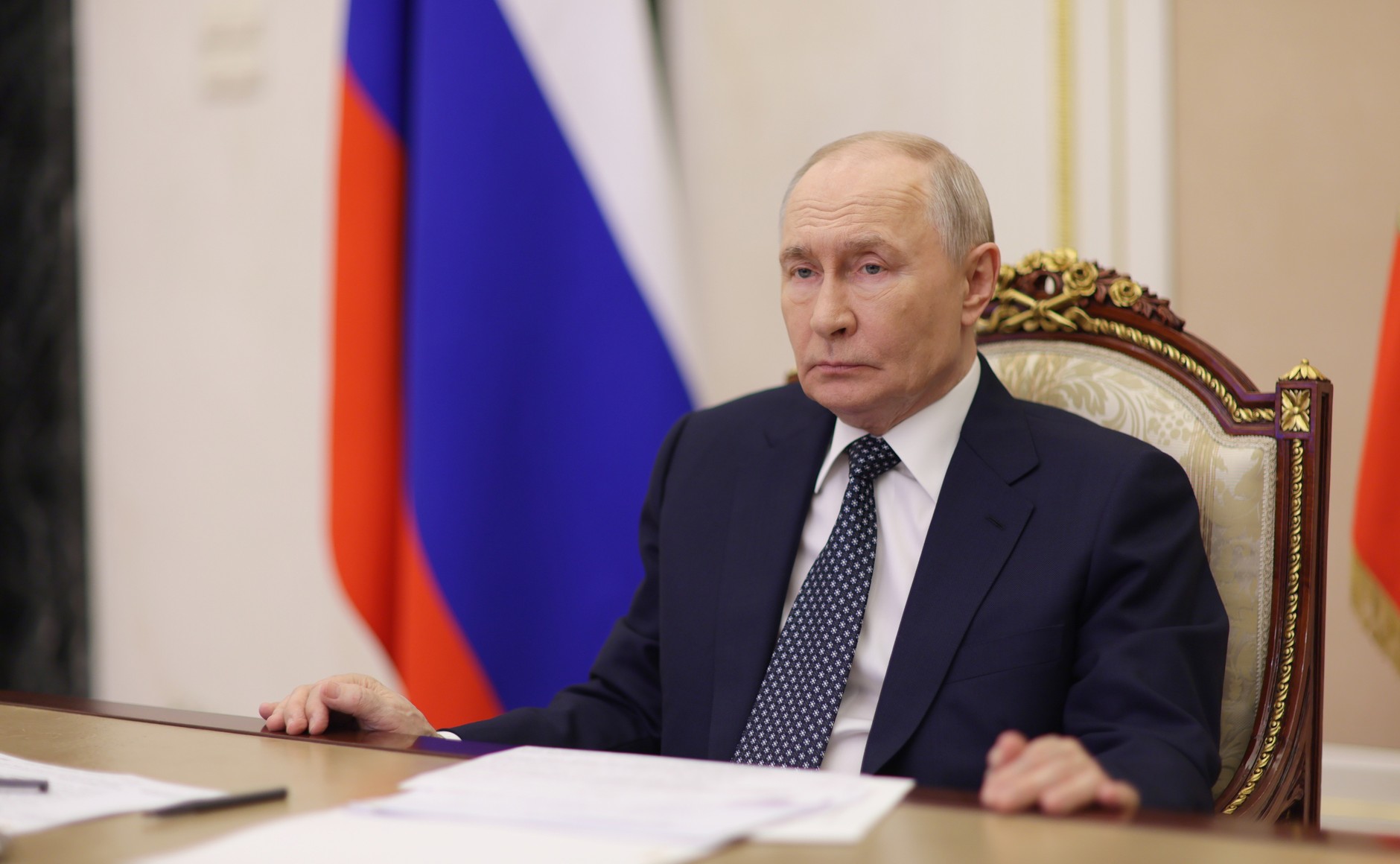
At the same meeting on June 10, President Vladimir Putin stated that Russia “does nothing artificial with the exchange rate.” According to him, the key rate will change and affect the exchange rate, but “we do nothing artificial here.”
On July 14, Putin returned to this topic again, stating that the key rate reduction “should and will happen naturally, based on macroeconomic indicators.” The head of state made it clear: no sharp, administrative decisions should be expected — the process will be determined by objective economic dynamics.
Earlier, on June 24, Putin called a 14% lending rate acceptable — for both the economy and banks. In his view, this level “allows borrowing enterprises to continue implementing development programs, and banks to earn normal returns.”
Central Bank Policy: Cautious Easing Under Inflation Control
Since the beginning of 2026, the Central Bank has consistently lowered the key rate, but has done so with an eye on inflation:
| Date | Key Rate | Change |
| Start of 2026 | 16 % | — |
| February 16 | 15.5% | −0.5 p.p. |
| March 23 | 15 % | −0.5 p.p. |
| April 24 | 14.5% | −0.5 p.p. |
| June 19 | 14.25% | −0.25 p.p. |
The June 19 meeting was particularly telling: the Central Bank cut the rate by only 25 basis points, while the market had expected a 50 b.p. cut. This is a signal: the regulator does not intend to rush easing, fearing a flare-up in inflation.
According to the Central Bank’s forecast, the average key rate in 2026 will be 14.0–14.5%, and in 2027 — 8.0–10.0%. At the same time, the regulator emphasizes that it is still premature to talk about a return to neutral monetary policy.
In April 2026, Central Bank Governor Elvira Nabiullina stated that the accumulated tightness of monetary policy would return sustainable inflation to 4% in the second half of 2026. However, risks remain: inflation expectations of households and businesses remain elevated.
Battle of Forecasts: Who Is Right?
Analysts’ and market participants’ forecasts differ significantly. Analysts at T-Investments expect 95 rubles per dollar by year-end. Aton forecasts the key rate falling to 12% by the end of 2026. Analysts polled by the Central Bank expect an average rate of 14.1%.
At the same time, the RSPP insists on more aggressive easing: a rate below 10% by the end of the year. However, the Central Bank, apparently, is not ready to take such a risk, preferring to maintain control over inflation.
The next Central Bank meeting is scheduled for July 24, 2026. It will then become clear whether the regulator will continue the easing cycle or take a pause. For now, the ruble continues to balance between pressure from exporters demanding weakening and the Central Bank’s cautious policy, which sees a strong currency as an ally in the fight against inflation.
As Putin noted, the key rate will decrease — but “naturally.” The question is only how quickly and how deeply. And most importantly — whether the economy can withstand this period of high money costs until inflation returns to the target 4%.