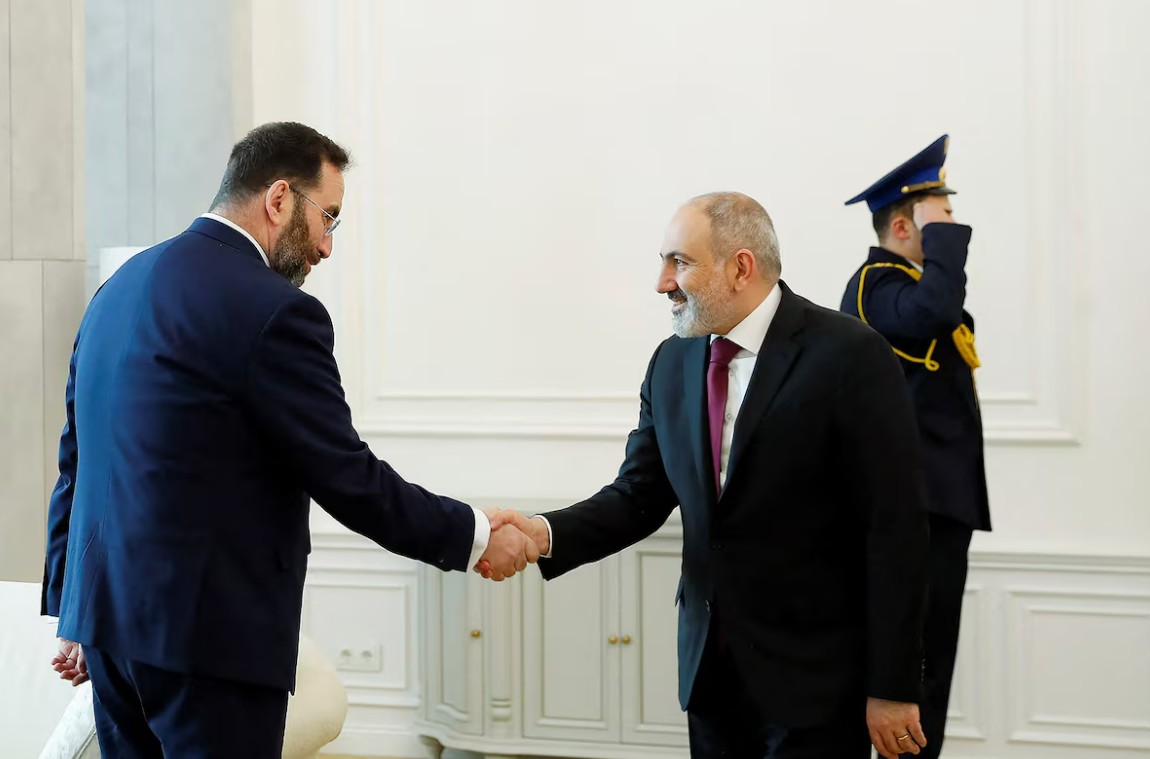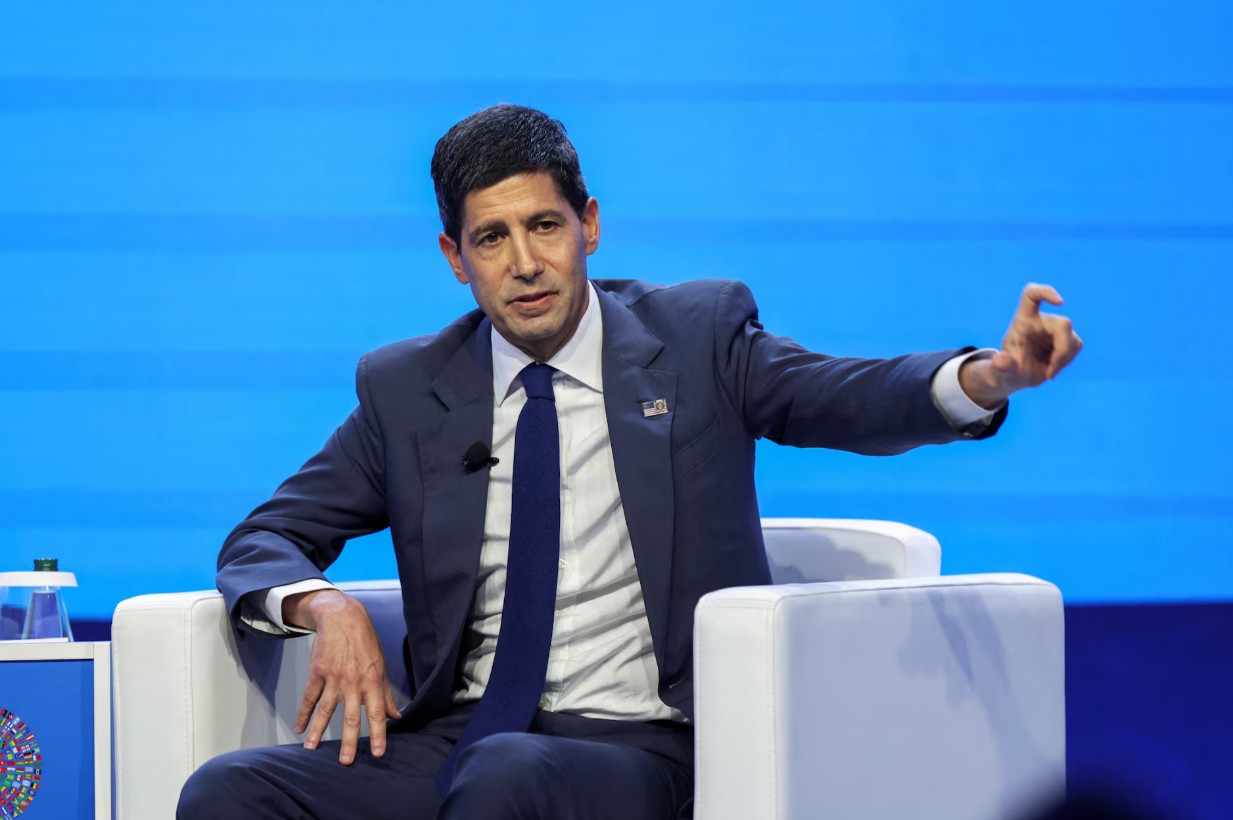
BANGKOK (Realist English). US Federal Reserve Chairman Kevin Warsh expressed surprise at the resilience of the global economy in the face of geopolitical shocks and synchronized monetary policy tightening. He made the remarks during a discussion with IMF Managing Director Kristalina Georgieva at the annual IMF and World Bank meetings in Bangkok.
“Resilience I would not have predicted”
“The global economy is demonstrating a resilience that I’m not sure I would have predicted five or six months ago, given what is happening in geopolitics and hotspots around the world,” Warsh said. According to him, many G20 economies have “held up” despite the shocks.
“I came out of the meetings here yesterday and today, and it’s hard to participate in a discussion with central bank leaders and not exchange notes and not hear the same thing about the spike in prices,” the Fed chair noted. He called inflation a “common problem,” emphasizing that central banks around the world are conducting “synchronized monetary policy tightening in most places, which means there are no free riders.”
Position on rates without prior commitments
In keeping with his style since taking office in May, Warsh gave no advance signals on whether further rate hikes would be needed. “I don’t prejudge meetings,” he said. “I don’t believe in saying now what I might do at the meetings we have left before the end of the year.”
This refusal of “prejudgment” contrasts with the position of his FOMC colleagues: in recent weeks, almost all of them have said additional tightening will likely be needed, but most wanted to see more data to assess the inflation trend. Markets are betting that the Fed will wait until December.
Investment boom and AI as a driver
Warsh linked the resilience of the US economy to an “investment surge,” which, he said, is not limited to AI and is “broadening.” In his July testimony before Congress, he noted that equipment investment grew about 8% year-on-year, while high-tech spending rose almost 25% on a four-quarter basis, driven primarily by data center construction and demand for AI equipment and software.
“This means we have plenty of tailwinds that give strength and durability to this economy,” Warsh said. “Such momentum is certainly not everywhere in the world.”
“Synchronized tightening” as a positive signal
According to Warsh, the global nature of inflationary pressure has led most central banks to tighten policy simultaneously. “We see common things, and we take action, and I view this as a positive development,” he said.
He also noted that “the most important thing for the Fed is to ensure price stability,” and recalled that a month ago the regulator “removed a dose of accommodation,” raising rates for the first time in three years.
What this means
Warsh’s comments reflect the delicate balance he has been trying to maintain since his appointment: on the one hand, acknowledging the strength of the US economy, fueled by the AI investment boom; on the other, avoiding commitments to further tightening amid inflation above target. His refusal to “prejudge” the December meeting gives the Fed room for maneuver but simultaneously leaves markets in a state of uncertainty.
Warsh’s surprise at the resilience of the global economy is not just a rhetorical figure. After the pandemic, the energy shock, and geopolitical conflicts, global growth has proven more robust than many forecasts assumed.
However, this resilience does not eliminate structural problems: inflation remains above target levels, and synchronized tightening, while preventing “free riders,” simultaneously increases the risk of a slowdown. Warsh is betting that the AI-driven investment cycle will outweigh these risks — but his caution on rates shows he is not fully confident.