DOHA (Realist English). Qatar, the world’s second-largest exporter of liquefied natural gas, is restoring export routes six months after the war with Iran began, using unconventional methods. From “covert” transits with transponders turned off to ship-to-ship cargo transfers east of the Strait of Hormuz and using the oldest vessels in its fleet to scout routes, Doha is rewriting the rules of LNG trade.
The Hormuz deadlock
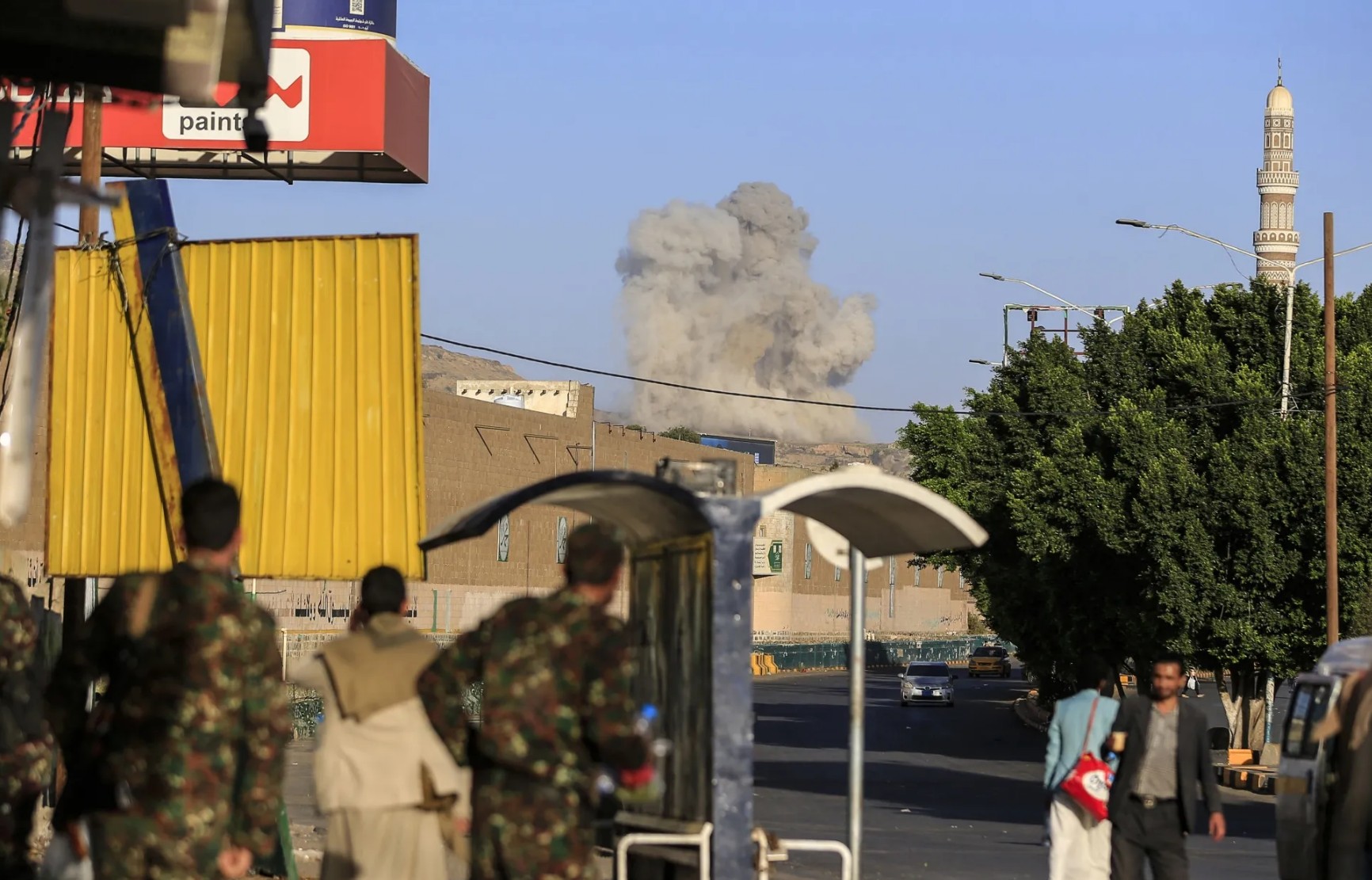
After US and Israeli strikes on Iran in late February, the Strait of Hormuz quickly became a frontline. This narrow waterway handles about one-fifth of global LNG supplies, and almost all of Qatar’s exports depend on it. In late July, a Qatari LNG vessel was hit by a missile outside the strait, after which exports from Qatar nearly came to a complete halt.
By August, Qatar found itself in a double deadlock: energy-deficient customers were increasing pressure, while an economy built on stable supplies was under growing strain. It was under these conditions that QatarEnergy executives turned their attention to one of the oldest vessels in the fleet — the “Al Rayyan.”
Covert transit tactics
The “Al Rayyan” was built in 1997, making it nearly 30 years old. Under normal conditions, it would have been placed on a list for sale or scrapping. But under wartime conditions, this old steam-turbine vessel became a suitable tool for test voyages.
According to Bloomberg, based on interviews with more than ten brokers, company officials, crew members, and analysts, Qatar and the national oil company of neighboring UAE, ADNOC, began employing methods common to the oil industry’s “shadow fleet”: vessels turn off transponders before entering the Strait of Hormuz, transit through Iranian-controlled waters with minimal visibility, sometimes in pairs to reduce risk. In May, at least four Qatari vessels passed through in this manner.
Crew composition also changed. Captains and sailors unwilling to risk transiting the strait were replaced; shipping companies hired new personnel at higher pay. In one case, a Qatari vessel hired staff through an Indonesian recruitment agency that had previously supplied crews for vessels carrying sanctioned Russian LNG.
Ship-to-ship transfers
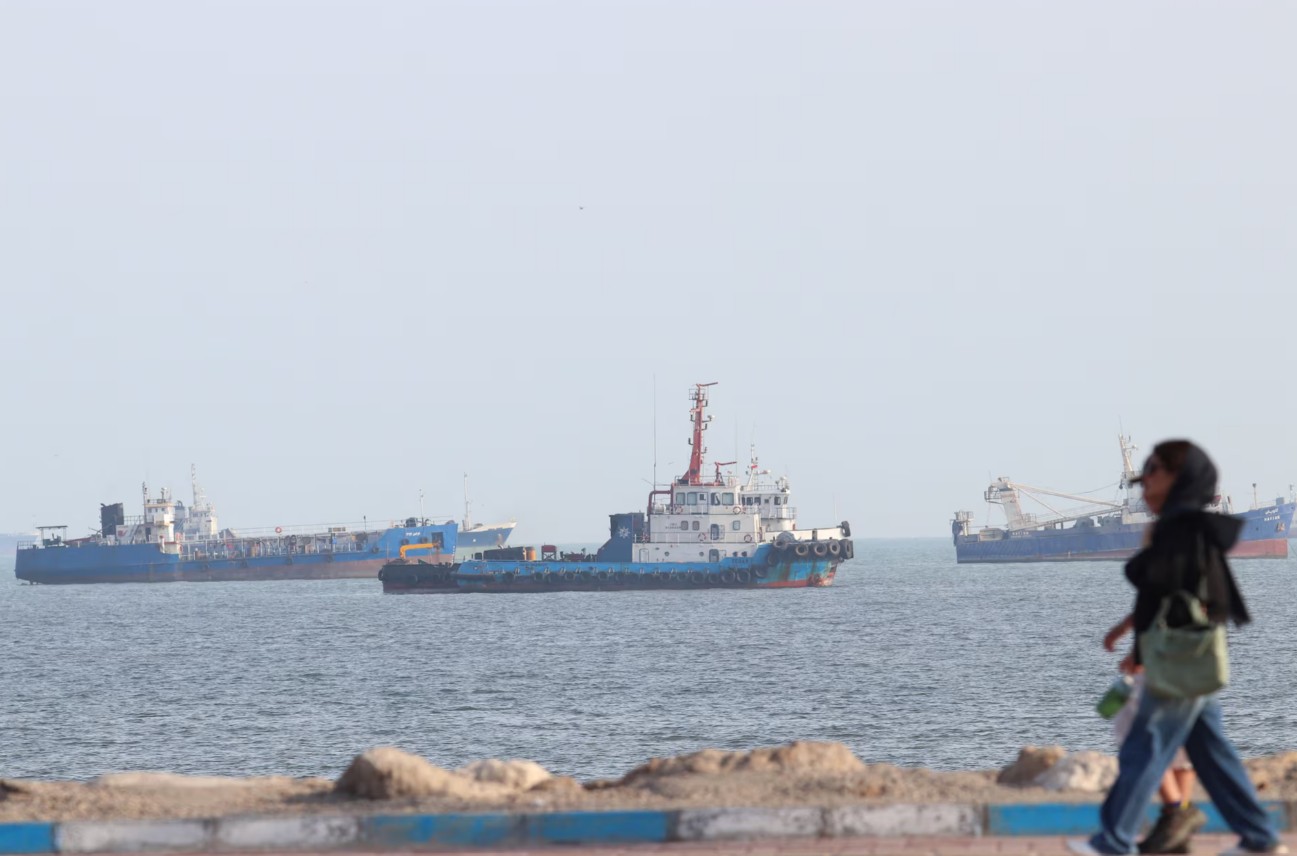
In addition to covert transits, Qatar and the UAE began ship-to-ship cargo transfers east of the strait. Small, inexpensive tankers are sent into the strait to load, then transfer LNG to larger vessels in the Gulf of Oman, reducing the risk of a missile strike on expensive gas carriers.
The “GasLog Shanghai,” a vessel of Greek shipping company GasLog, exited the Strait of Hormuz in late July and remained off the coast of Oman. After loading at Qatar’s Ras Laffan industrial zone, it conducted a transfer to the “GasLog Savannah” off the coast of Oman in late August. Another QatarEnergy vessel, the “Tembek,” also delivered a cargo to India’s Dahej terminal via transfer in mid-August.
Dual purpose of the old fleet
Qatar is dealing with the oldest part of its fleet. QatarEnergy has put 10 Moss-type steam turbine LNG carriers aged 26 to 30 years up for sale, including the “Al Khor,” “Al Zubarah,” “Al Wajbah,” “Al Rayyan,” and others. These vessels were built in Japan between 1996 and 2000 and once performed the first export voyages of Qatari LNG. In January 2022, after 25-year contracts expired, QatarGas bought these vessels from Japanese shipowners.
Six of them are currently idle or laid up at anchor in Brunei Bay off the eastern coast of Malaysia. Under normal market conditions, these low-efficiency old vessels would most likely be sent for scrapping.
But under wartime conditions, their fate has taken a different turn: they could become an inexpensive tool for scouting Hormuz routes, even if damaged — the financial losses would be small.
Long-term strategy not halted
Despite short-term export disruptions, Qatar’s long-term strategy has not changed. As part of the North Field expansion, QatarEnergy is gradually receiving 128 new LNG carriers under long-term contracts. The company planned to own or manage approximately 200 LNG vessels by the early 2030s — this strategic decision remains at the core of its ambition for market dominance.
Meanwhile, the Golden Pass project in the US (QatarEnergy’s stake — 70%) has already been launched. Its capacity of 12.6 million tonnes of commercial LNG per year roughly corresponds to the losses from two damaged production lines at Ras Laffan.
Qatar’s response reflects a deeper shift: LNG trade was once one of the most transparent segments of the energy industry — cargoes were tracked from the export terminal to the port of destination.
But the war with Iran is changing this model. When the Strait of Hormuz becomes a risky corridor, the world’s second-largest LNG exporter chooses methods from the “grey zones” of the oil industry.
In the short term, Qatar’s partial restoration of exports helps ease supply tensions for buyers in Asia and Europe.
India, Pakistan, and Bangladesh were forced to seek alternative supplies on the spot market at prices nearly double Qatar’s long-term contracts.
But the long-term consequences are more complex. Even if the Strait of Hormuz restores shipping, about 17% of capacity at Ras Laffan is shut down due to damage, and recovery could take years.
Qatar’s massive order for new vessels (approximately 45–55 new gas carriers are expected to be delivered in 2026–2027) faces the risk of overcapacity, as production recovery may proceed much slower than fleet expansion.
Analysts note that Qatar, thanks to extremely low production costs, pricing flexibility, intergovernmental client relationships, and deep financial resources, may still emerge as one of the long-term winners from this crisis.
But all of this is contingent on: the Strait of Hormuz must remain reliably passable, and the tacit understanding between Doha and Tehran regarding the North Field — South Pars field must be maintained.