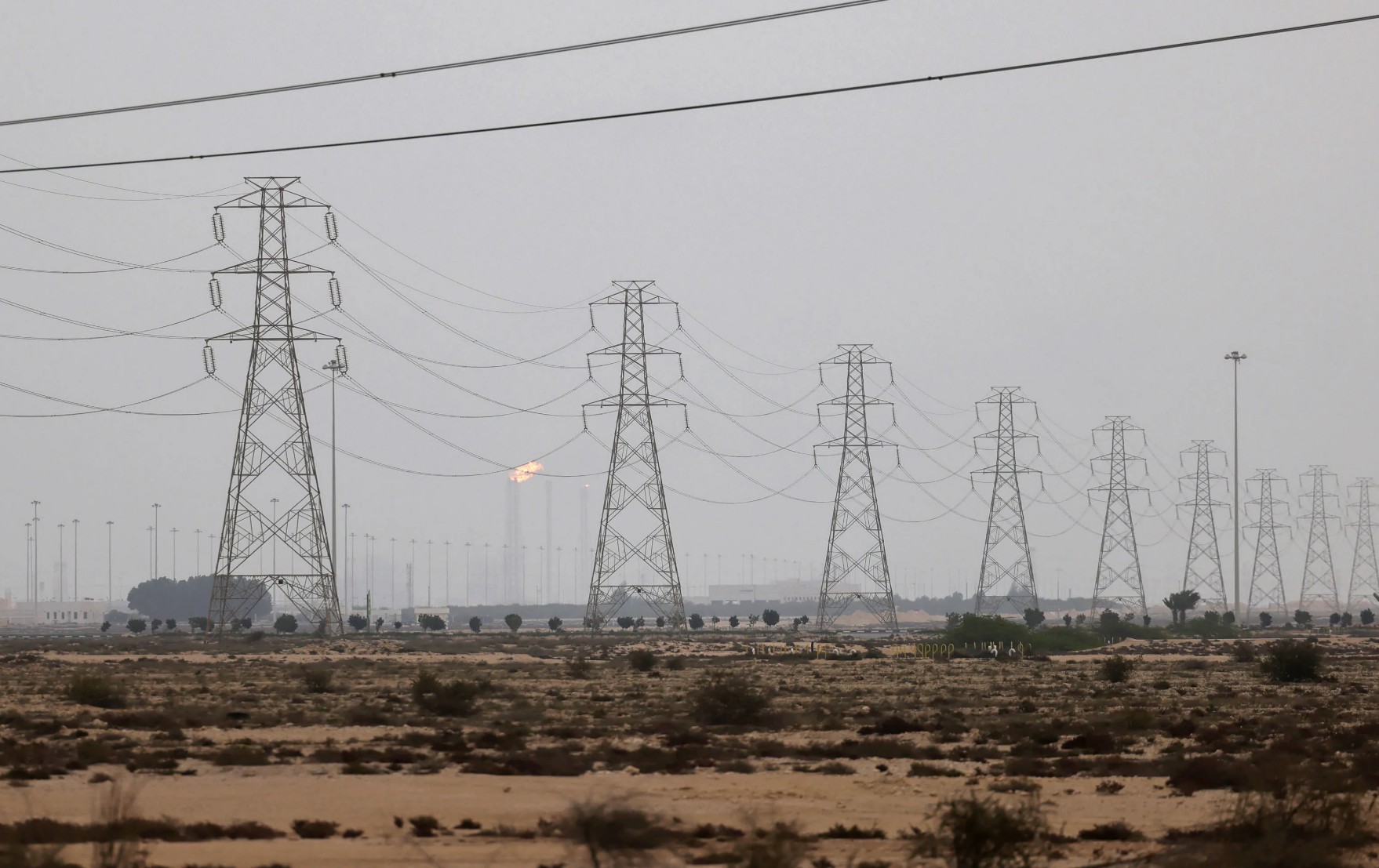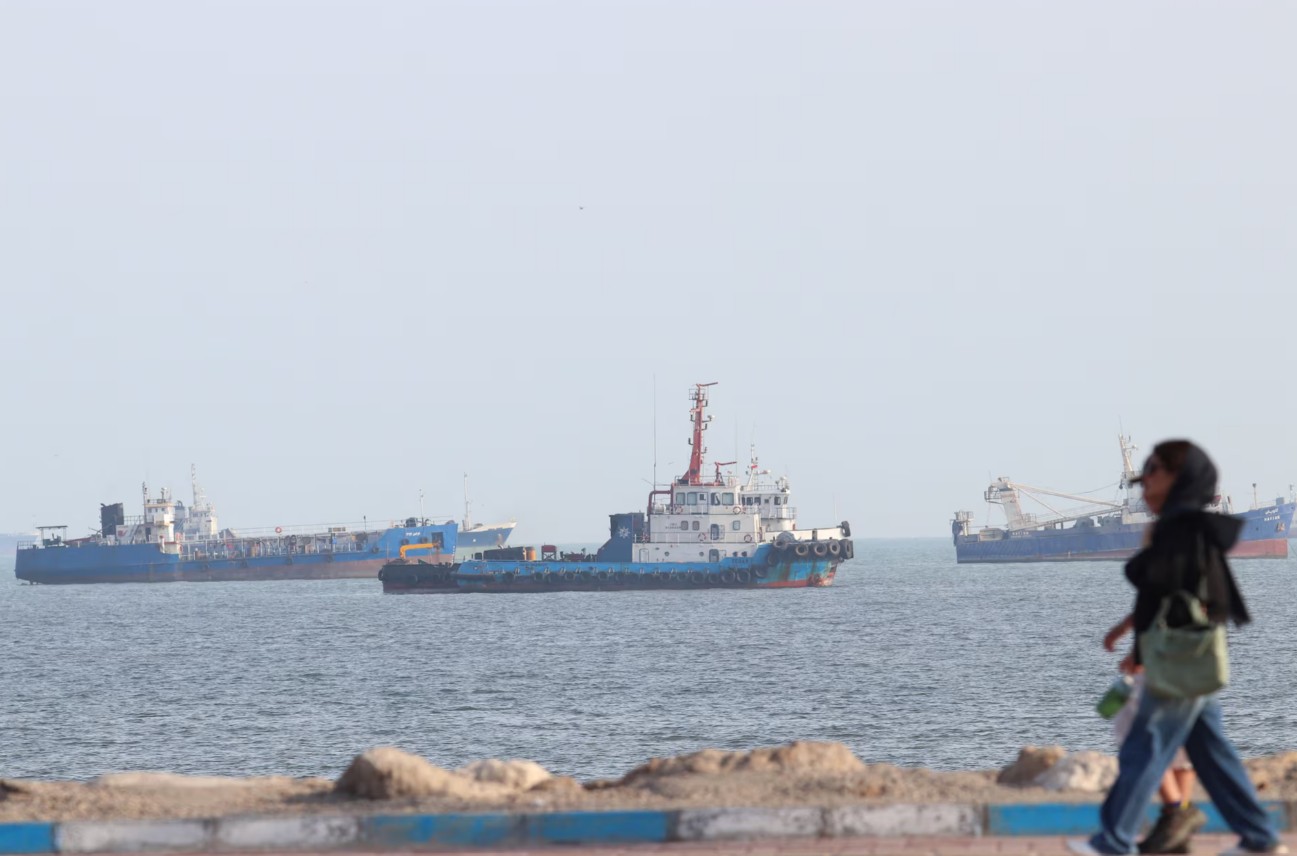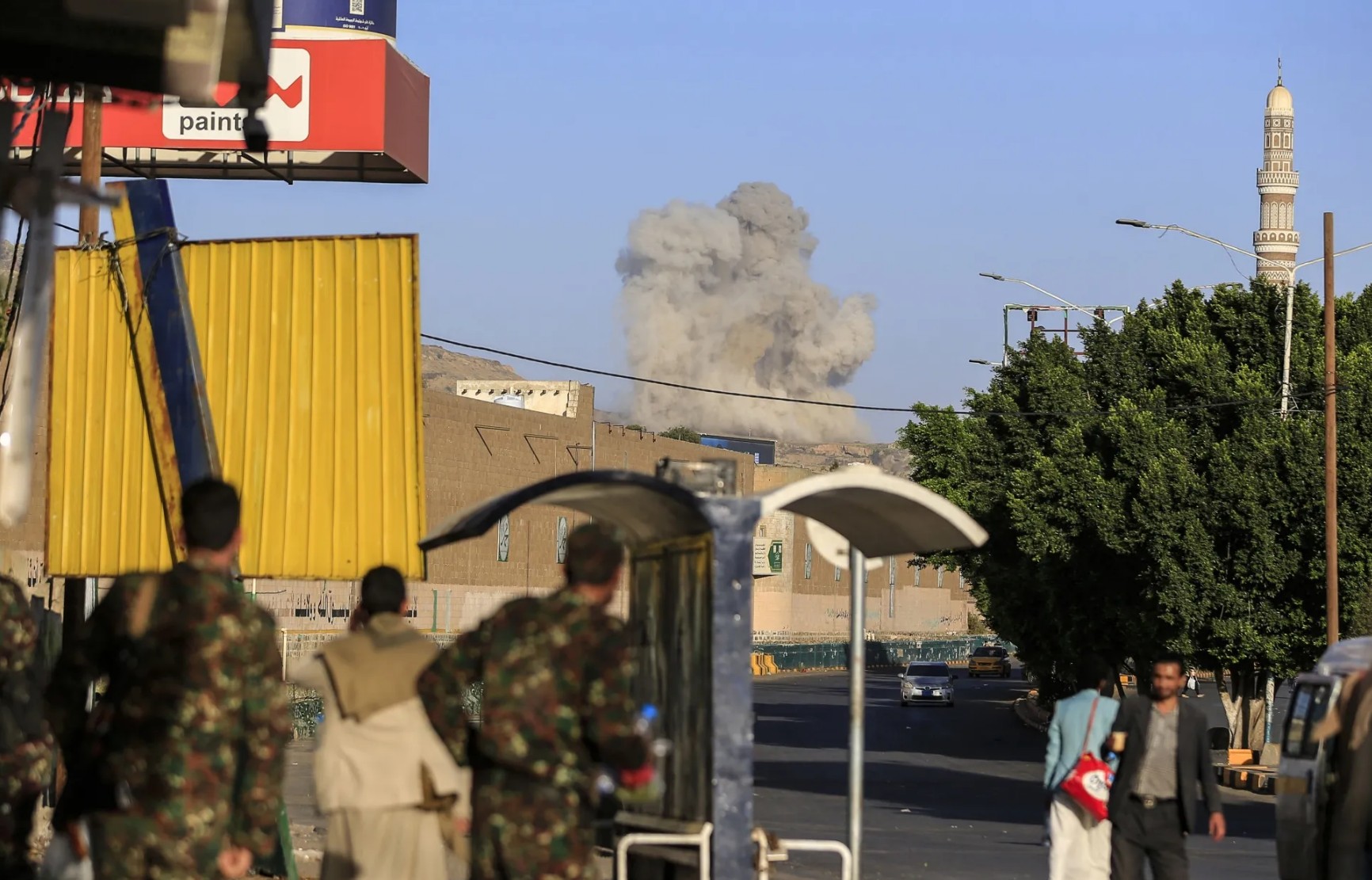
DUBAI (Realist English). Since late February, Iran has conducted more than 135 precision strikes with drones and missiles on at least 84 infrastructure targets in the Persian Gulf countries. These attacks have not only caused enormous economic damage but have also significantly complicated US military plans in the region.
Scale of the strikes
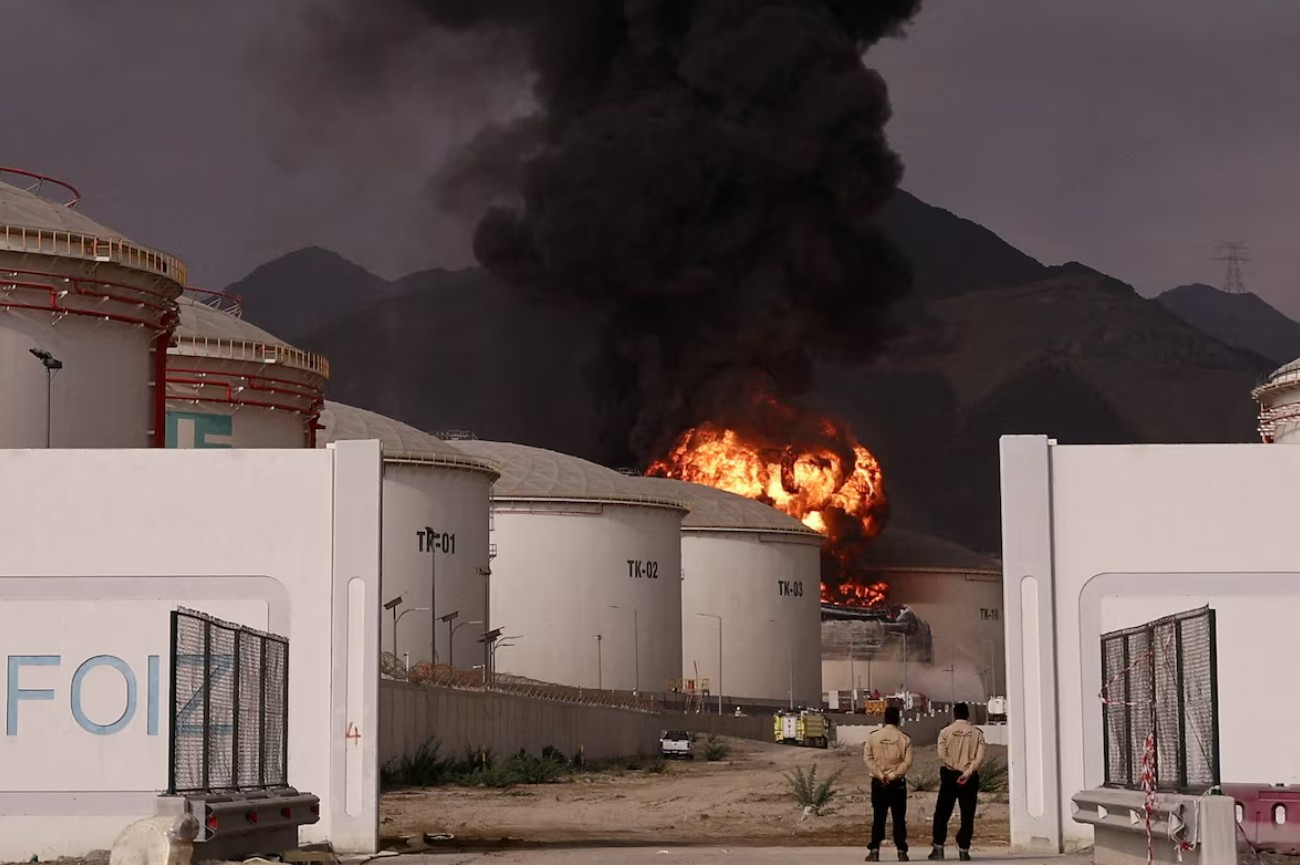
According to Reuters, Iranian forces systematically destroyed the most critical equipment. The Port of Fujairah in the UAE was subjected to at least 19 attacks, which paralyzed its operations for several weeks and caused major fires at oil storage tanks.
In Qatar, the Ras Laffan LNG plant was attacked, where cooling systems were destroyed — repairs will take years. This has put nearly one-fifth of global liquefied gas supplies at risk.
Airports in at least four countries were hit. In Saudi Arabia, at least 12 people were killed in an attack on an international airport. Iranian forces also attacked the Barakah nuclear power plant in the UAE, damaging an electrical substation and forcing one of the reactors to switch to emergency generators. In Kuwait, desalination plants and power stations were systematically targeted, seriously threatening the country’s water supply.
US losses and troop withdrawal
The Pentagon acknowledged losses of 21 killed and 865 wounded — significantly higher than previously stated figures. US bases in Bahrain, Qatar, Kuwait, the UAE, Saudi Arabia, Iraq, Oman, and Jordan were damaged or destroyed.
The most revealing episode was Camp Buehring in Kuwait. Video recordings published by CBS News showed that Iranian drones and ballistic missiles struck the base repeatedly.
About 100 US service members who remained to guard the facility faced shortages of ammunition, including Patriot interceptor missiles. As a result, they were forced to leave the base and set up temporary positions in the desert. One service member said: “Camp Buehring was destroyed. There needs to be an investigation. Why didn’t they send us reinforcements?”
Precision and intelligence
Experts note the exceptional precision of the Iranian strikes. Targets included equipment measured in meters or located inside buildings, indicating the use of precise intelligence. Unnamed officials claim that Iran obtains information through a network of informants, possibly with assistance from Russia and China.
Iran’s military objectives
According to the Institute for the Study of War, Iran’s military objectives include: securing international recognition of Iran’s control over the Strait of Hormuz, reducing the US’s ability and willingness to continue the war, restoring deterrence against the US and regional partners, and driving a wedge between the US, Israel, and Arab states.
Economic consequences
Saudi oil production fell below 7 million barrels per day in the first six months of the war, meaning losses of more than $50 billion. Saudi Arabia tried to redirect exports through the Red Sea via the East-West pipeline, but that infrastructure was also attacked: a strike destroyed a pumping station and halted the flow of crude oil for 11 days. The UAE, under pressure, unfroze several billion dollars in Iranian assets in the summer to stop further destruction.
What this means
The Iranian strikes demonstrated that Tehran is capable of inflicting systemic damage on critical infrastructure across the Gulf without engaging in direct confrontation with US aviation and naval forces. The precision of strikes on ports, refineries, and desalination plants indicates deep intelligence preparation. For the US, this means that military presence in the region no longer guarantees the protection of allies or its own bases.
The withdrawal from Camp Buehring and the damage to key facilities signal that Washington cannot ensure security even where its forces are stationed. Iran’s strategy appears aimed at making the continuation of the war economically and politically unviable for the US — and so far, this strategy is working.