BERLIN (Realist English). On 31 October, mass youth protests organized by the “Gen Z regelt” (“Generation Z decides”) initiative took place across Germany. According to the organizers, about 120,000 people took part in actions in more than 30 cities, although official turnout estimates were more modest. During the day, the demonstrations were predominantly peaceful, but after they ended, the situation in a number of cities spiraled out of control.
What the protesters demanded
Participants called for increased funding for education and healthcare, a lower cost of living and an end to plans to reintroduce compulsory military service.
According to “Gen Z regelt” representative Lina Friedrich, young people are fighting “for peace and freedom, not for war and coercion,” demanding “better support for healthcare and education systems” and “a fairer distribution of the burden.” The protests took place against the backdrop of rising defense spending and general pressure on the younger generation in Europe’s largest economy.
Night of unrest: Frankfurt, Hamburg, Berlin
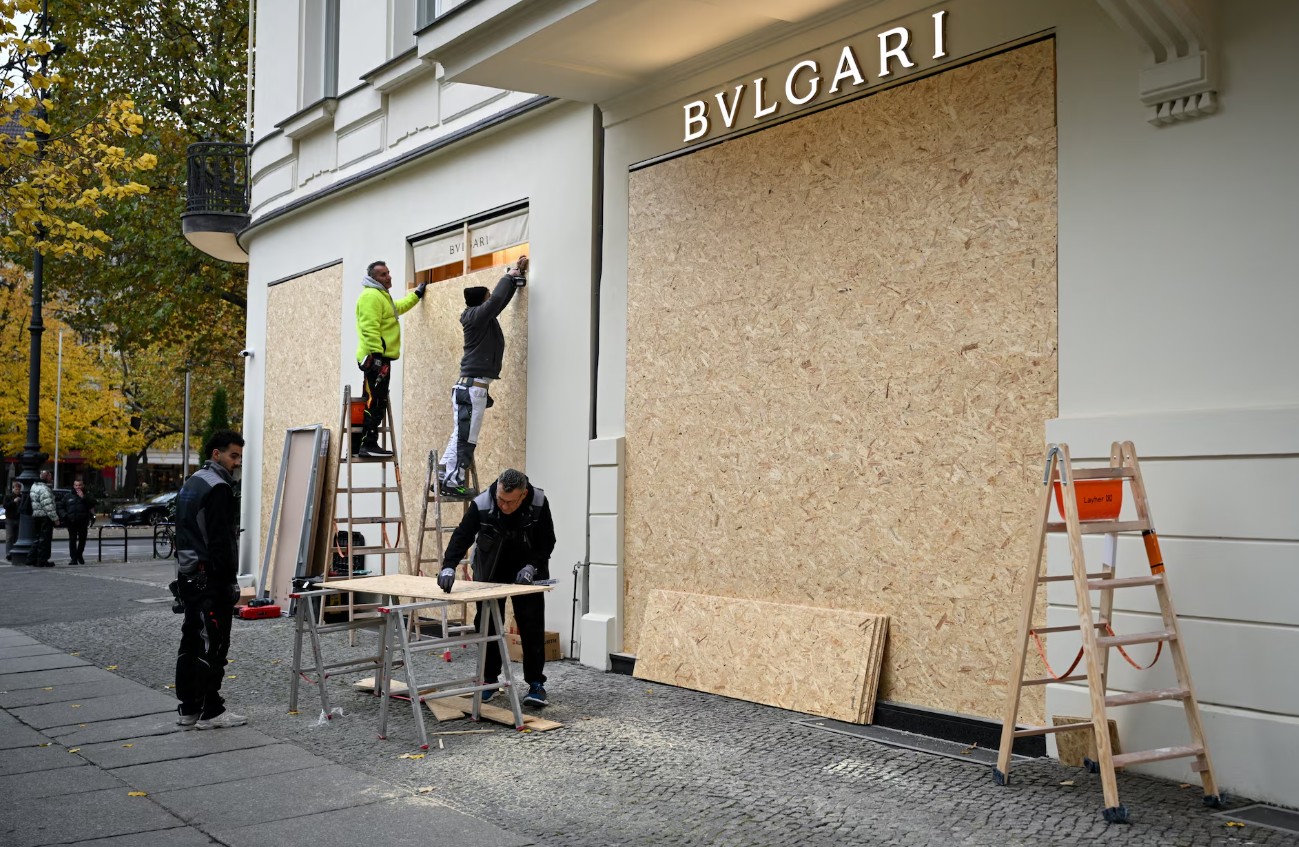
After the main demonstrations ended, clashes began in several cities. The most serious incident was in Frankfurt: masked groups not associated with the main protest smashed windows and looted shops, including a gun store from which at least two firearms were stolen. Police detained a suspect and seized the weapons; more than 30 people were temporarily detained, and one police car was damaged.
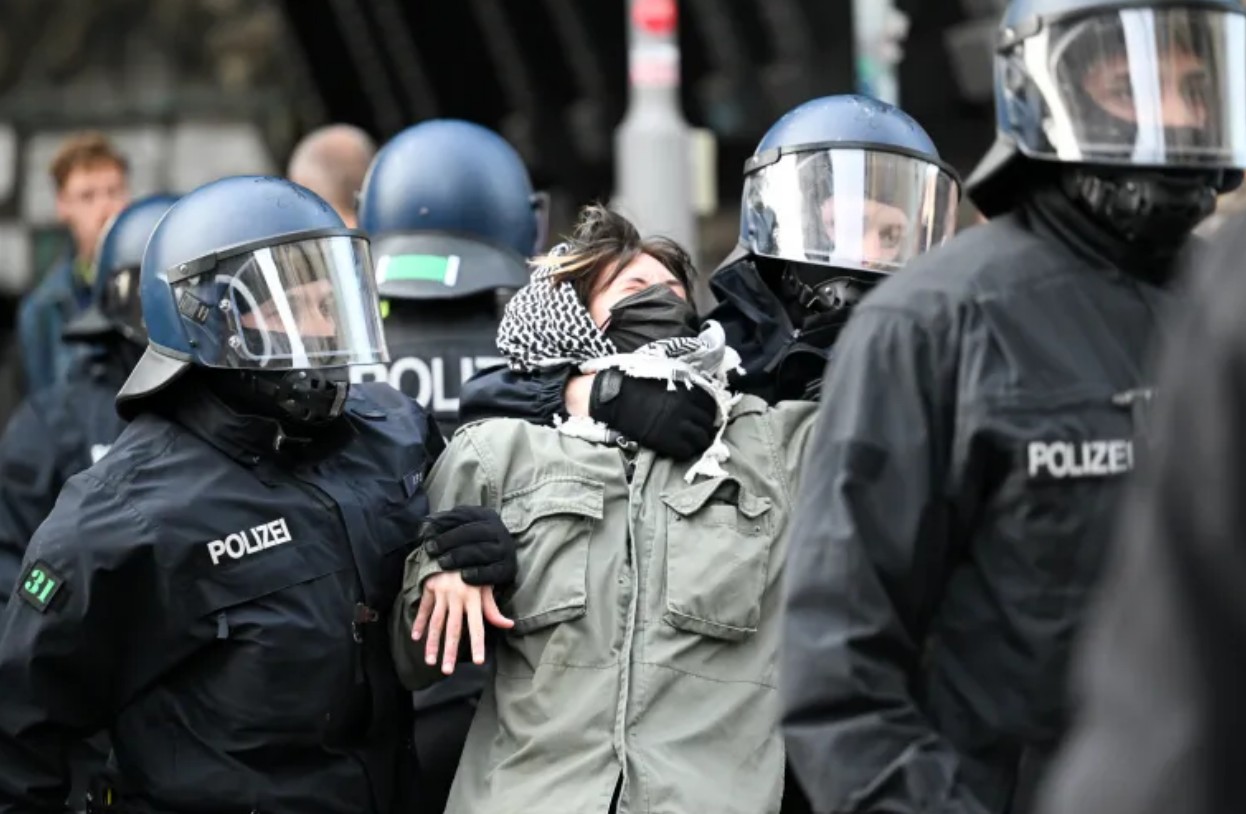
In Hamburg, after the demonstration ended around 17:00, groups in black clothing and masks built and set fire to barricades, throwing stones, bottles and pyrotechnics at police. Police detained 120 people; 11 officers were injured, and one child suffered shock after a firecracker explosion.
In Berlin, up to 56 people were temporarily detained in the Mitte district; 27 police officers received minor injuries. In Cologne, at least five people were detained after clashes near the cathedral. Unrest was also recorded in Bremen and Karlsruhe.
Reaction of authorities and organizers
The organizers of “Gen Z regelt” condemned the violence, stating that the movement stands for peaceful protest and democratic values, and distanced themselves from the actions of “other groups or individuals.” Hesse Interior Minister Roman Poseck said that about 100 “clearly identified left-wing extremists” had infiltrated the protesters in Frankfurt and called what happened a “disgrace.”
“We all have the images from France before our eyes — looting, burning houses, torched police cars… France must not serve as a model here,” he stressed. Hamburg police also pointed to “pro-Palestinian slogans” during the unrest.
Main event of the weekend
The wave of protests in Germany followed similar youth demonstrations in France, where more than 320,000 people took to the streets on Saturday. The Federal Ministry of the Interior had warned of possible attempts by far-left and foreign extremist-linked groups to use the actions for their own purposes.
The events of 31 October marked a worrying crossroads for Germany: during the day, tens of thousands of young people peacefully demanded solutions to real problems — underfunding of education, rising living costs and opposition to military conscription — while in the evening radical groups seized the moment to provoke violence and looting.
The authorities place responsibility on extremists, but the very fact that unrest broke out in several major cities at once points to a high level of social tension and the vulnerability of mass peaceful actions to organized provocation.
The key question remains whether Friedrich Merz’s government can offer a substantive response to the demands of young people — or whether the protest movement, inspired by the French experience, will continue to radicalize, and the new actions promised by organizers for 14 and 20 November will become a new test of strength for German society.