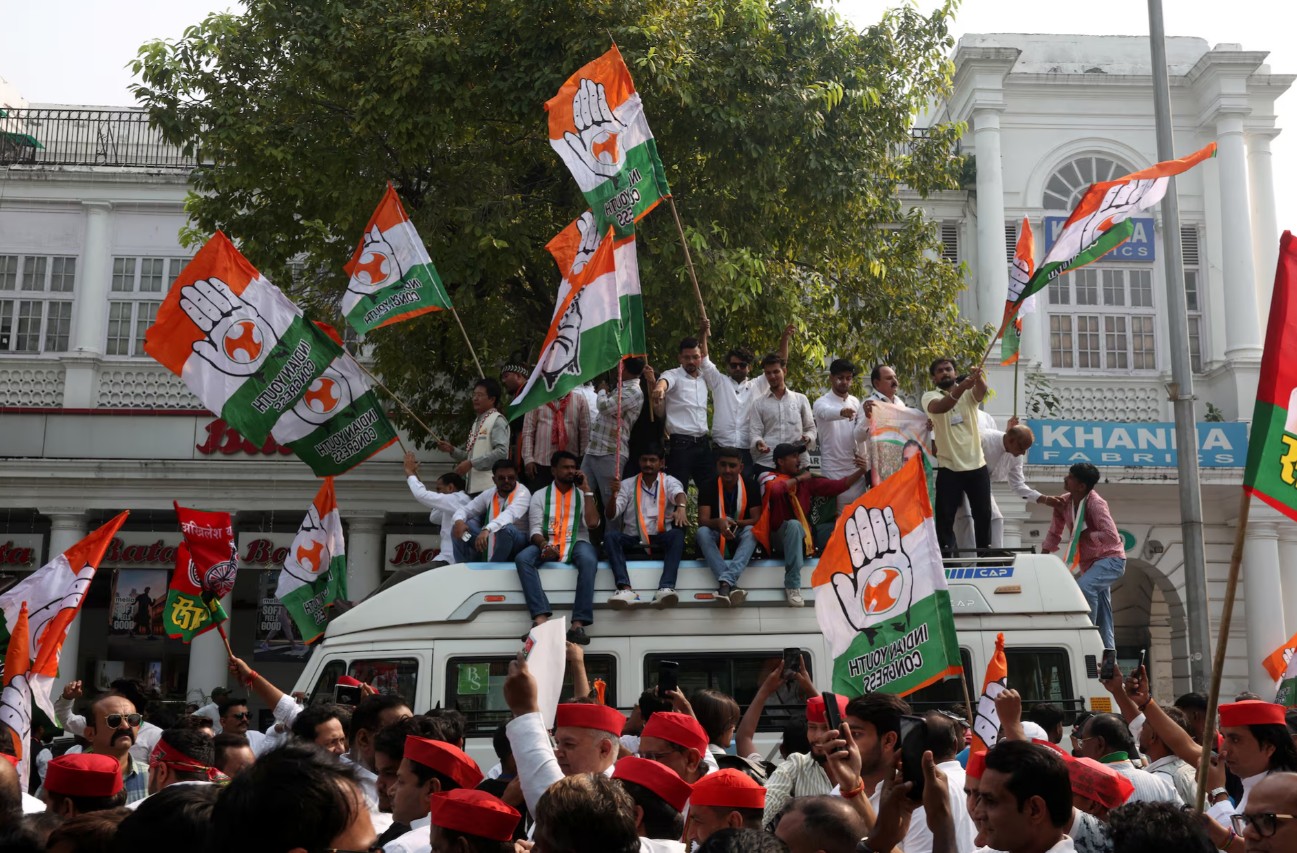
NEW DELHI (Realist English). On 1 November, a multi-thousand rally organized by the opposition INDIA bloc took place in New Delhi at Ramlila Maidan. Participants demanded the resignation of Chief Election Commissioner (CEC) Gyanesh Kumar, accusing him of bias in revising voter lists. According to AP, the protest, which drew thousands of people, became another demonstration of public discontent with the government of Prime Minister Narendra Modi.
Reason for protest: revision of voter lists
The key demand of the protesters was the resignation of Gyanesh Kumar amid the so-called “Special Intensive Revision” (SIR) of voter lists. According to data as of October 2026, more than 130 million names were removed from the lists during this campaign — more than the population of Mexico. The authorities explain the revision as a need to clean the lists of duplicate records and deceased citizens: according to ABC News, of the 130 million deleted records, 28 million were deceased, 63 million were relocated, and 30 million could not be traced.
However, critics, including Human Rights Watch, argue that the revision is politically motivated and threatens to disenfranchise millions of citizens, disproportionately affecting minorities, particularly Muslims. “The allegations surrounding the voter list revision raise serious questions about the fairness of future Indian elections,” said Elaine Pearson, HRW’s Asia director.
Participants and demands
The rally was organized by the opposition INDIA alliance, created in 2023 with the aim of removing Modi from power. The action was led by Rahul Gandhi, leader of the main opposition Indian National Congress party, and was supported by the youth movement “Cockroach Janta Party” (CJP). Participants carried musical instruments and flags, chanting anti-government slogans. In addition to Kumar’s resignation, calls were made to “defend Indian democracy.”
Congress General Secretary K. C. Venugopal called the protest a “stern warning” to Prime Minister Modi and Home Minister Amit Shah, stating: “Gyanesh will be removed from his post. Trust us.”
Previous clashes and security measures
The current action took place several weeks after police dispersed previous protests in New Delhi. Ahead of the rally, authorities tightened security: thousands of police and paramilitary personnel were deployed, more than 200 surveillance cameras were installed, and drones and body cameras were used. In addition, police had earlier excluded the historic protest site Jantar Mantar from the list of officially permitted demonstration venues, forcing organizers to move the action to Ramlila Maidan.
Reaction of authorities
Prime Minister Modi did not publicly comment on the protests. Some leaders of his party called the demonstrators “anarchists” and, without providing evidence, suggested they were supported by foreign forces. The Election Commission and the Modi administration deny allegations of bias, insisting that the revision is aimed at removing duplicate and invalid records.
The protest on 1 November signaled a deepening crisis of confidence in India’s electoral system. On the one hand, the revision of lists affecting 130 million people creates real risks for millions of voters, especially minorities, and undermines the legitimacy of future elections. On the other hand, the opposition is using this issue to mobilize and pressure the Modi government, turning a technical procedure into a sharp political struggle.
The key question remains whether the Election Commission will make concessions or the authorities will continue to insist on the legality of the revision. Further escalation of protests, especially with the participation of the youth movement CJP, could become a serious challenge for the Modi government ahead of new electoral cycles.