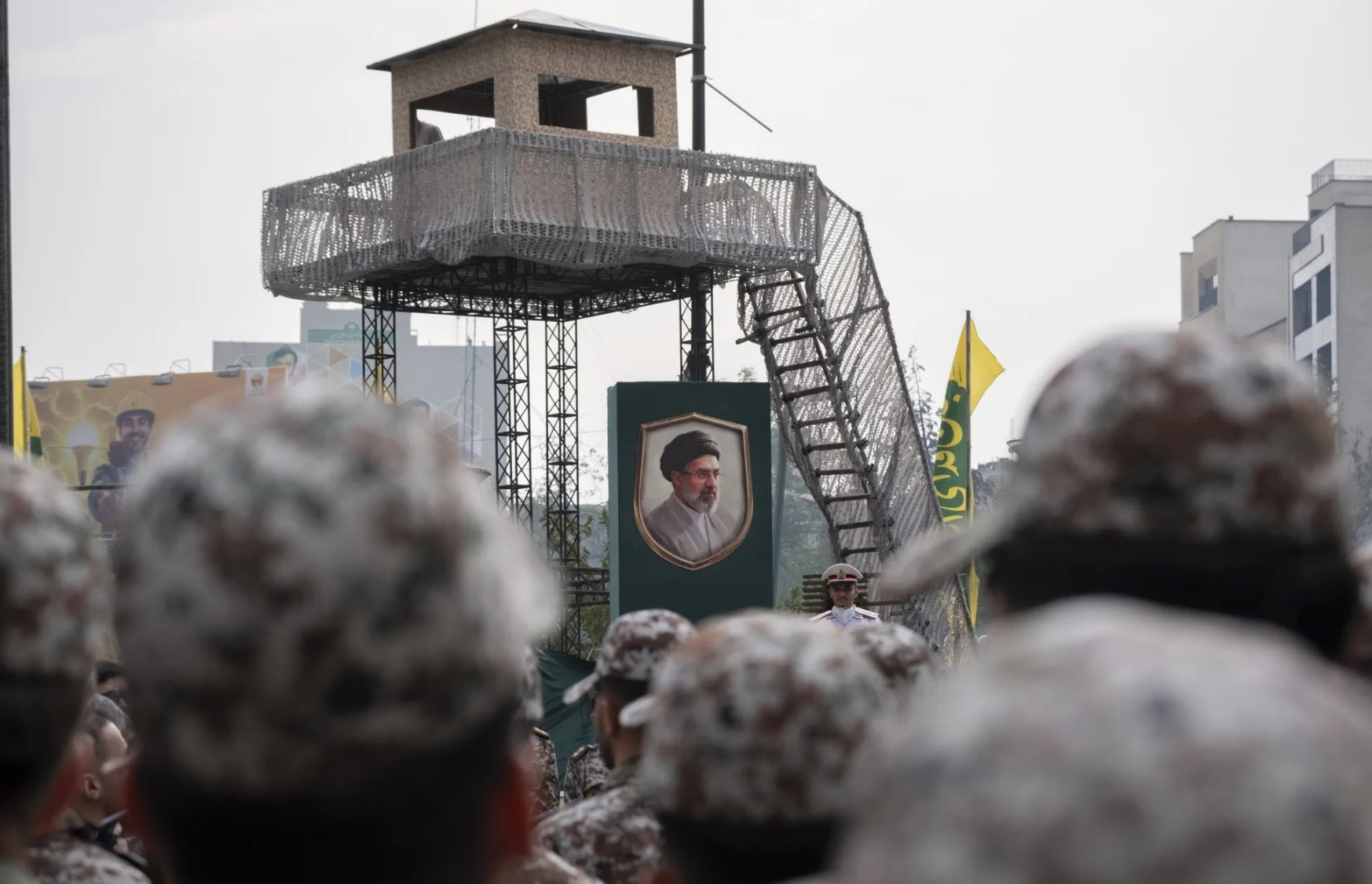
TEHRAN (Realist English). At a meeting with the top military command, he ordered preparations for an “immediate, powerful and geographically unrestricted” response to any threat from the US or Israel. In a statement circulated by state media, he demanded that target lists be updated to include “all assets” of the US and Israel in the region, as well as an increase in the production of ammunition and weapons. Chief of the General Staff Ali Abdollahi, for his part, said that in the event of a new attack, Iran would be “the side determining when the war ends.”
Vance’s Letter and a “Change of Tone”
The threats came simultaneously with signs of a diplomatic shift. Secretary of Iran’s Supreme National Security Council Mohsen Rezaei confirmed that he had received a letter from US Vice President JD Vance proposing the resumption of negotiations, but had not yet replied to it. “Their tone has completely changed. This is a good sign, showing that the Iranian people have strengthened their victory and authority,” Iranian television quoted him as saying. Foreign Minister Abbas Araghchi described the letter as a “positive step” but stressed: “There is currently no need to meet with the Americans.”
According to sources familiar with the content of the message, Vance set out only “general principles and framework” for negotiations, without presenting a full plan. Iran, for its part, insists on guarantees of a complete and permanent end to the war in exchange for opening the Strait of Hormuz and demands a full cessation of hostilities before negotiations begin.
Washington’s Double Game
The American side is sending equally contradictory signals. Secretary of State Marco Rubio said on 31 October on the sidelines of the G20 in Atlanta that Trump “has not yet decided” whether to launch a new strike and “leans toward the diplomatic path.” However, according to three senior officials from Persian Gulf countries, the administration has already notified allies of the need to prepare for a “short but intense” campaign that could begin as early as 4 November — immediately after the US midterm elections.
Sources also report that Trump held a telephone conversation with Israeli Prime Minister Benjamin Netanyahu on Saturday, discussing the possibility of resuming military action.
Qatari Mediation and the “Seven Days”
Amid the military standoff, mediation efforts have intensified. Qatar, acting as a key mediator, proposed a seven-day plan under which Washington and Tehran would take daily confidence-building steps before moving to broader negotiations. However, according to Reuters, a senior Iranian official said Tehran was “not satisfied” with this proposal.
Since September, Iran has been promoting its own seven-day plan, which envisages lifting the blockade of Iranian ports, unfreezing assets and opening the Strait of Hormuz along an Iranian route. An Iranian delegation is in Doha for consultations with Qatari mediators; an American delegation may arrive there if the parties manage to agree on a “road map.”
The situation around Iran reproduces the familiar pattern of “escalation for bargaining”: Tehran is ramping up belligerent rhetoric to retain leverage while studying the American proposal, and Washington is balancing between the diplomatic track and preparation for a military operation. The key fork is 4 November: if Trump authorizes strikes after the elections, the negotiation process, which both sides call “positive,” could be derailed.
If diplomacy prevails, the central question will not be Iran’s formal consent to negotiations, but Washington’s readiness to accept Iran’s conditions — a complete end to the war and the lifting of the blockade — as a starting point. So far, neither side has shown readiness to be the first to abandon its maximalist position.