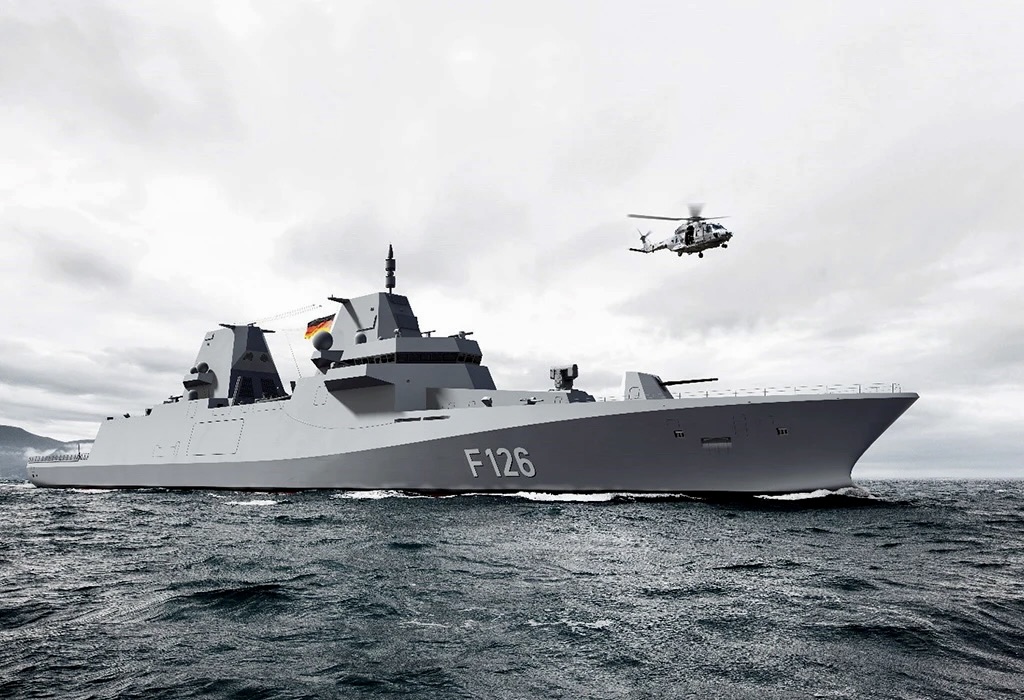
BERLIN (Realist English). German Defence Minister Boris Pistorius has decided to halt the construction of six F126‑class frigates – the largest warships the German navy had planned to acquire since World War II. An official notification of the intention to cancel the programme was sent to defence industry representatives and leading parliamentarians on June 23.
A Long‑Delayed Project: From €5.27 Billion to Uncontrolled Spending
In 2020, the German government originally planned to order four F126 frigates for a total of €5.27 billion. In 2024, Pistorius expanded the order to six vessels. However, by the time the project was stopped, expenditure had already exceeded €2 billion, and according to Bundestag deputies, could have reached €2.4 billion. It is expected that approximately €2 billion of the funds already invested will be written off.
The main contractor for the project was the Dutch shipyard Damen Naval. The programme suffered repeated delays due to software problems and communication breakdowns between the client and the contractor. The delivery deadline for the lead ship – 2028 – had already been missed. The German Defence Ministry suspended payments because of the missed deadlines.
In April 2026, it became known that Berlin intended to terminate cooperation with Damen. In May, the Rheinmetall group, which had previously acquired the Naval Yards Lürssen shipyard to enter the military shipbuilding market, requested about €12 billion to take over the troubled project.
Replacement: Eight MEKO A‑200 Frigates Instead of Six F126
Instead of six 166‑metre F126 frigates with a displacement of 10,000 tonnes, Germany plans to purchase eight more compact MEKO A‑200 frigates (about 120 metres long) from ThyssenKrupp Marine Systems (TKMS). The total cost of the alternative project is estimated at €12.7 billion, while the price of a single MEKO frigate has risen from the planned €1 billion to €1.6 billion. The German Navy leadership supports this decision.
Earlier, in March 2026, the Bundestag budget committee had already approved €240 million for the purchase of four MEKO A‑200 frigates as an interim solution. In 2026, an additional €724.7 million could be allocated from the Bundeswehr special fund for the alternative platform, and €878.2 million in 2027. From 2028, funding is to come from the regular budget – up to €6.2 billion by 2033.
A Blow to Rheinmetall and a Symbolic Failure
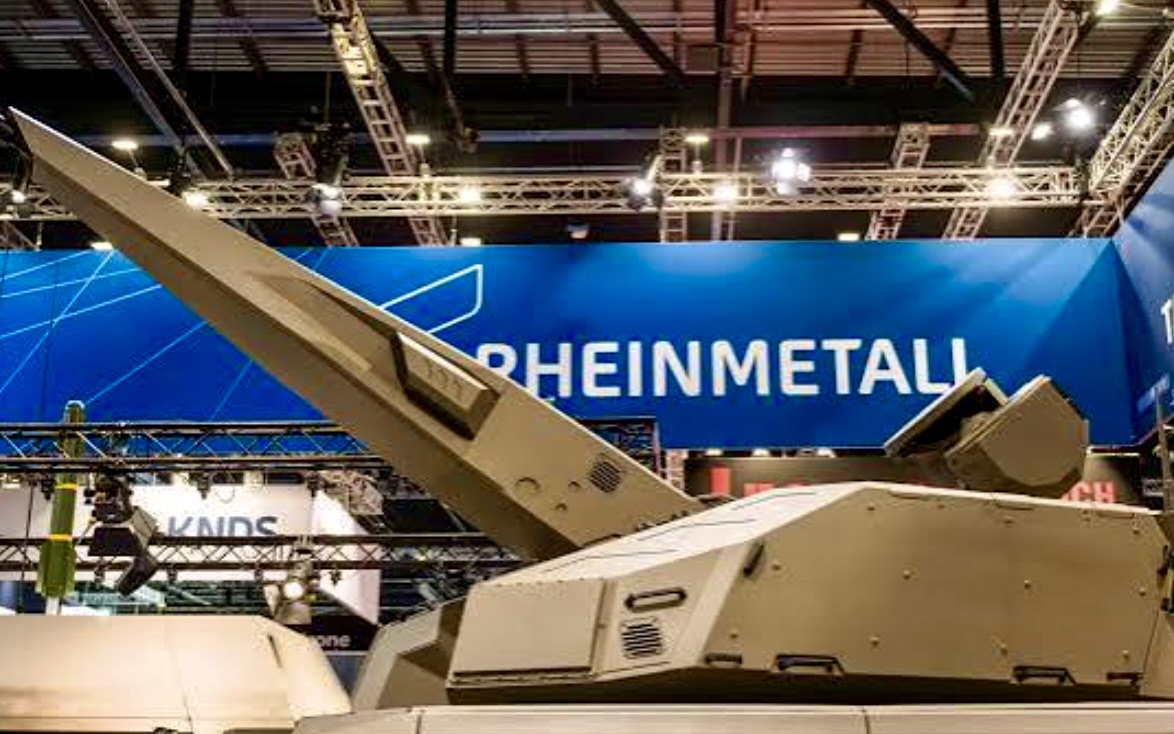
The cancellation of the F126 project deals a serious blow to the Rheinmetall group, which had counted on participating in the project as part of its strategy to transform into a comprehensive defence conglomerate.
The F126 project, initiated under former Chancellor Angela Merkel, was intended to symbolise Germany’s rearmament following Russia’s special military operation in Ukraine and to align with NATO’s strategy of deterring Russia in the Baltic and North Atlantic.
Despite the creation of a €100‑billion special fund for the Bundeswehr and plans to invest about €780 billion in army modernisation by 2030, this project has become one of the biggest procurement failures in Germany’s recent history.