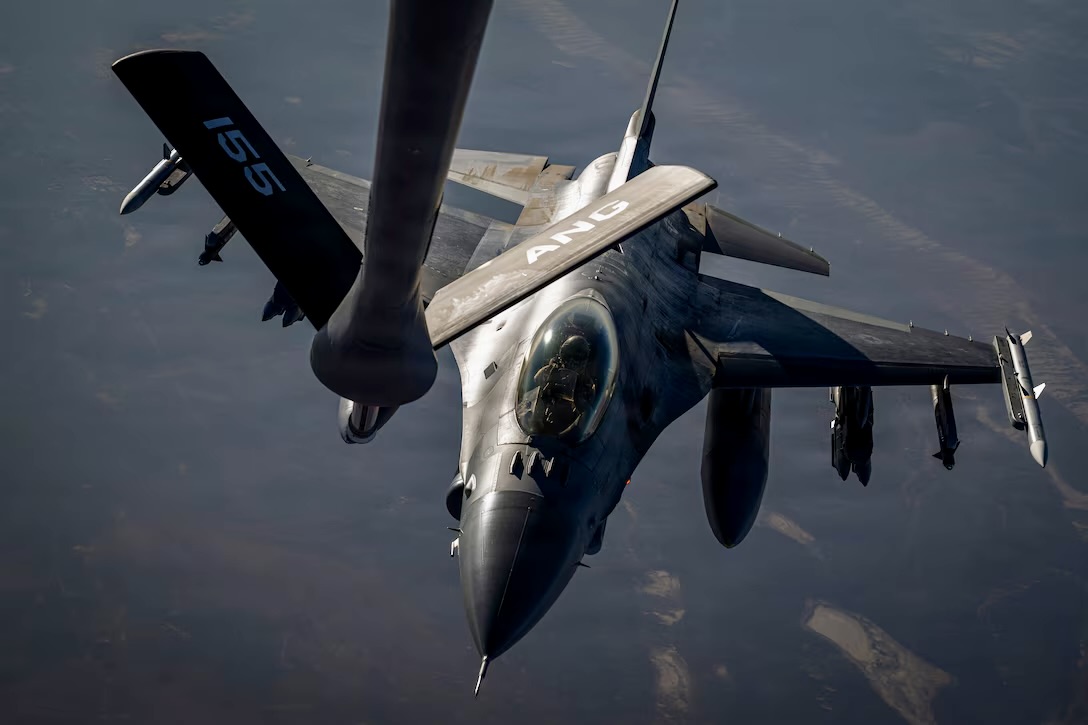
ANKARA (Realist English). On July 28, Turkey deployed combat fighter jets to the Baltics for the first time in its history as part of NATO’s air policing mission.
Five F-16 fighter jets and 76 personnel from the 181st “Panther” Squadron have been deployed to Amari Air Base in Estonia, where from August to November they will conduct round‑the‑clock combat duty near Russia’s northwestern borders.
Although formally this is a rotation under a long‑standing mission, the context raises questions among military experts. At the recent NATO summit in Ankara, the status of Baltic Air Policing was changed from a “police” mission to an “airspace defence mission.”
The key innovation is that pilots of the patrol fighters have been given the authority to independently decide to open fire without coordinating with command.
Deployment Details
The Turkish contingent, based at the 8th Main Command of Jet Bases in Diyarbakır province, will carry out tasks as part of NATO’s mission to protect the airspace of Estonia, Latvia, and Lithuania — three countries that do not have their own fighter jets. The mission has been operating since 2004, when the Baltic states joined the Alliance.
181st Squadron Commander Lieutenant Colonel Özdemir stated that the operation has “strategic importance for the defence of NATO’s eastern flank” and will strengthen the alliance’s “deterrence capabilities.”
Expert Assessments: The Threat from the Northwest
Russian and foreign experts agree that Ankara’s move involves broader calculations that directly affect Russia’s security.
- For the first time in history. Turkish pilots had not previously been involved in the Baltic mission. The appearance of Turkish forces in the Baltics fits into Ankara’s broader strategy of studying a potential theatre of military operations.
- Change in mission status. The elevation of Baltic Air Policing to “airspace defence” is not a formality. As experts note, it gives the alliance the legal right to open fire directly by the fighter pilots themselves, which effectively means the possibility of initiating an armed conflict with Russia at the tactical level.
- Provocative nature. According to military analysts, the deployment is provocative in nature. Ankara decided to join the mission precisely when it had taken on its most dangerous and risky contours.
S-400, F-35, and the Ukrainian Vector
The decision to deploy the fighters does not appear coincidental against the broader context of Moscow‑Ankara relations:
- S-400 and F-35. Turkey’s Defence Ministry has officially confirmed that negotiations on the sale of Russian S‑400 air defence systems are ongoing — which is directly linked to plans to purchase US F‑35 fighter jets.
- Support for Ukraine. At the July 9 NATO summit, President Erdoğan reaffirmed Turkey’s unwavering support for Kyiv and confirmed its readiness to continue providing military assistance from its national arsenal. Shortly after the summit, Turkish Foreign Minister Hakan Fidan visited Kyiv.
- NATO exercises. Earlier in 2026, Turkey participated in the large‑scale NATO exercise Steadfast Dart 2026, deploying the amphibious assault ship TCG Anadolu.
Turkish fighters will be on duty near Russia’s borders from August to November. However, the main question is not so much the presence of F‑16s in the Baltics, but the new rules of engagement: pilots have been authorised to open fire without orders from above. Against the backdrop of already strained relations between Moscow and Ankara, this move creates an additional risk of accidental or provoked escalation right at Russia’s borders.