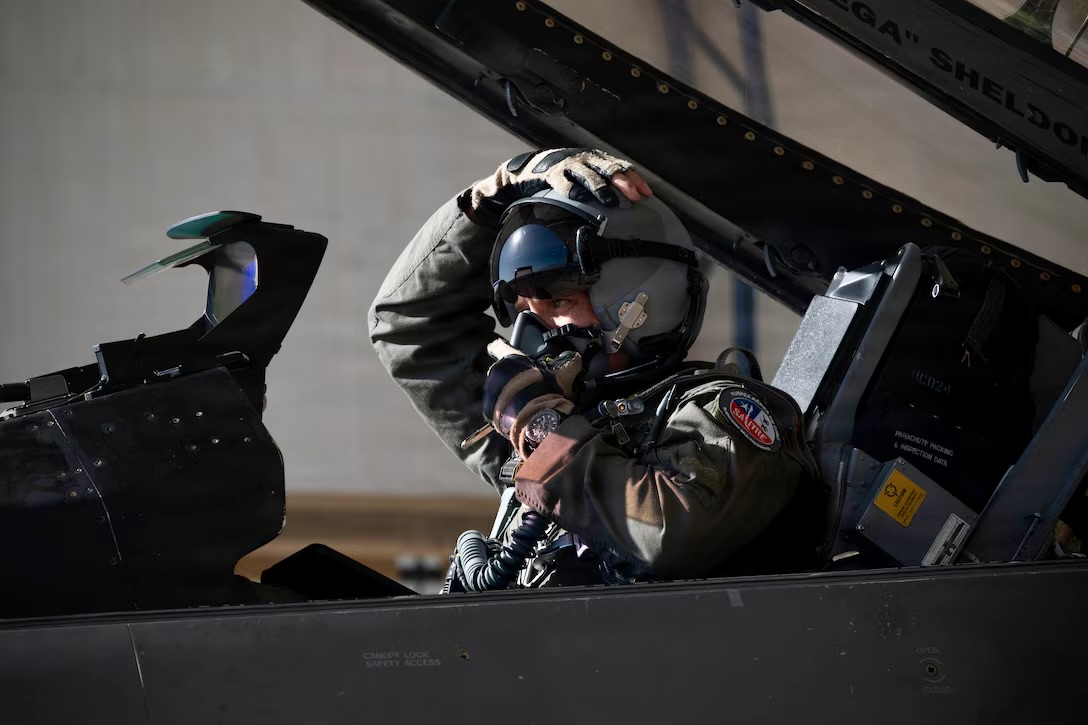
TEHRAN (Realist English). The United States has resumed large‑scale strikes against Iran, unleashing a “heavy wave” of airstrikes on facilities belonging to the Islamic Revolutionary Guard Corps (IRGC).
The attack began at 8:00 PM ET on 29 July (3:00 AM Moscow time on 30 July) and lasted about two hours. The strikes were preceded by harsh rhetoric from President Donald Trump, who promised that Iran would “get a beating.”
“We’re going to hit them very hard, because it’s our turn to strike. They know it’s coming. They asked us not to do this,” Trump told reporters at the White House.
In a Fox News interview, the president was even blunter: “We’ll knock the hell out of them. We’re going to hit them hard. They’ll get a beating.”
Reason: missile attack on Jordan base and tankers in Hormuz
The immediate trigger for the strikes was Iran’s attack on 28 July. The IRGC fired several ballistic missiles at US military facilities in Jordan. US Central Command (CENTCOM) reported that all missiles were intercepted. Iran also struck three oil tankers in the Strait of Hormuz that, according to Tehran, had “ignored warnings.”
In the 72 hours prior, IRGC‑affiliated groups carried out more than 30 drone attacks on US and Saudi targets.
On 29 July, the US and Saudi Arabia conducted joint strikes on Iran‑backed militias in eastern Iraq, killing at least 20 fighters from Iraq’s Popular Mobilization Forces.
Scale of strikes: dozens of targets across Iran
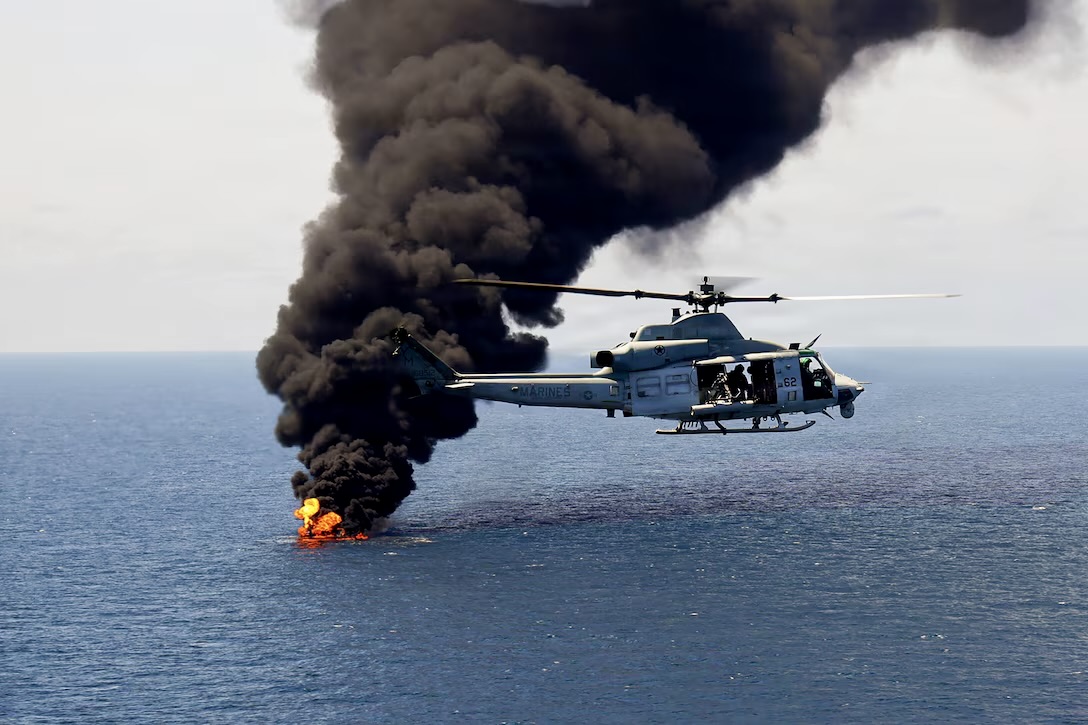
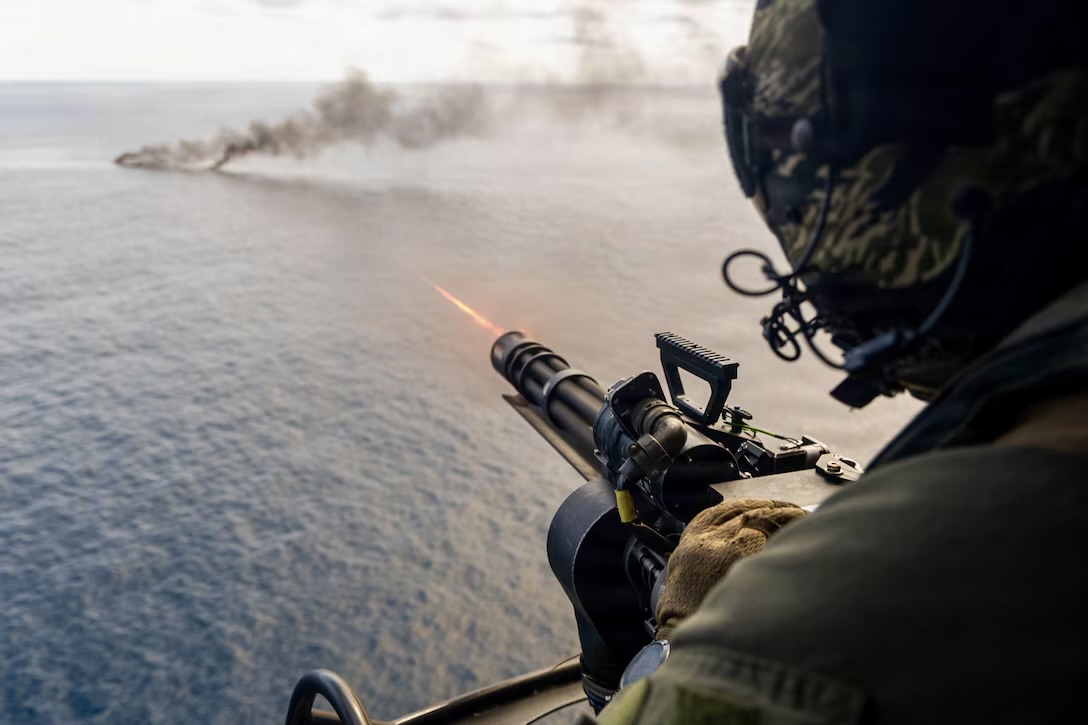
According to a CENTCOM statement, US forces “successfully completed a heavy wave of strikes” against Iran. Dozens of IRGC facilities were hit, including:
- military command centres;
- missile complexes and drone production facilities;
- coastal observation and defence posts;
- IRGC naval facilities.
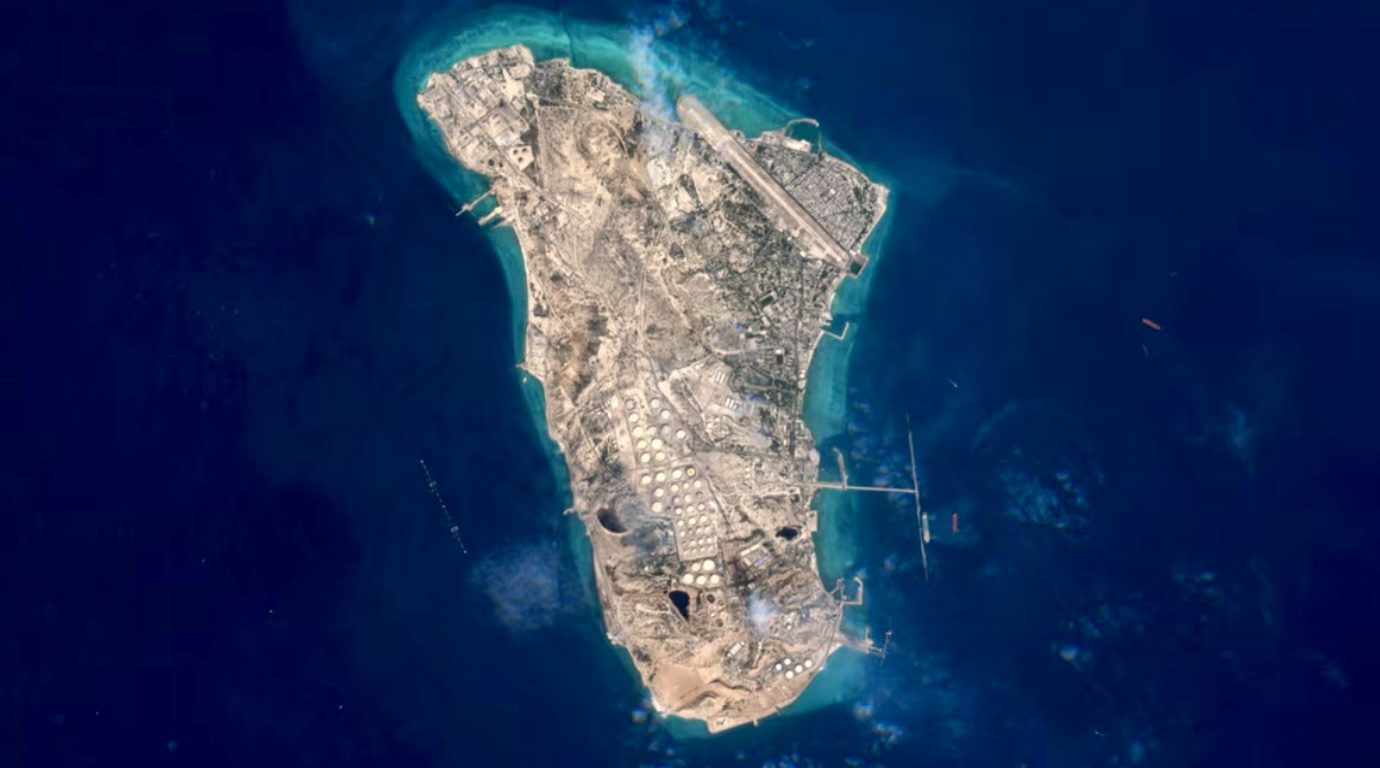
Explosions were heard in several cities in southern Iran, including Bandar Abbas, as well as on Qeshm and Kish islands. Explosions were also reported in Khuzestan province. Iranian media reported that strikes hit Qeshm and Abadan islands, which are strategically vital to the oil industry.
Civilian casualties
Iranian state media reported at least three people killed on Qeshm Island – a man, a woman, and their two‑year‑old child. According to the Fars news agency, the strike hit a residential building in the Chah‑Tangu area. Other sources reported wounded and people trapped under rubble after a missile struck a residential home.
Expanding conflict: new fronts and actors
The conflict, which began in February 2026, continues to expand. Key events of recent days:
- Saudi Arabia officially joined the strikes on the US side for the first time, conducting joint airstrikes on Iran‑backed militias in Iraq.
- Egypt: a US‑owned gas carrier storage vessel caught fire off the port of Damietta following a drone attack.
- Yemen: Iran‑backed Houthis announced a naval blockade of Saudi Arabia.
- Strait of Hormuz: Iran claims to control the strategic waterway.
Explosions off Egypt’s coast and strikes on Iraq threaten to drag new Middle Eastern countries into the conflict.
Failed negotiations and uncertainty
Just days ago, the sides observed a relative lull. On Friday, Trump suspended an intensive bombing campaign that had lasted 13 consecutive nights. According to media reports, negotiations were underway for a possible diplomatic settlement. Trump called them “very friendly,” although Tehran denied that talks were taking place.
However, the temporary truce reached in June collapsed amid a dispute over control of the Strait of Hormuz. The new strikes cast doubt on any prospects for diplomacy in the near future.
Against this backdrop, Israeli Prime Minister Benjamin Netanyahu held his first face‑to‑face meeting with Trump in Washington since the war began. However, Israel, despite being one of the initiators of the conflict, has so far refrained from direct strikes on Iran.
Reaction and outlook
The Iraqi government condemned the joint US‑Saudi strikes on its territory, calling them “an unacceptable attack and a flagrant violation of Iraq’s sovereignty.” Trump, however, claimed the strikes had been coordinated with Baghdad.
Analysts note that the resumption of full‑scale combat operations carries significant risks for the US amid dwindling ammunition stocks. More than 50,000 US troops are currently deployed in the region.
Trump has promised to continue strikes on Iran if negotiations fail. The conflict, which the US president vowed to end within weeks, has now been raging for five months. And its end is still nowhere in sight.