TEHRAN (Realist English). The Middle East remains at the epicentre of tension: diplomatic efforts to unblock the Strait of Hormuz are unfolding alongside new military incidents.
Iran denies direct talks with the US but is close to signing an agreement with Oman. A senior Gulf official put the chances of a deal by Friday at “50-50.”
However, Tehran warns that even a reached agreement does not guarantee the automatic reopening of the waterway.
Talks with Oman: ‘grimy’ and ‘difficult’
A senior Gulf official said the chances of an Iran‑Oman agreement on the Strait of Hormuz by Friday were “50-50.” At the same time, even if a document is signed, the strait will not automatically open.
Iran has officially denied Donald Trump’s claims of renewed direct dialogue with Washington. Tehran insists the talks are strictly bilateral and conducted exclusively with Oman. The sides have already agreed on the geographical coordinates of a new route for the safe passage of commercial vessels. According to The Wall Street Journal, Iran and Oman are finalising a draft agreement that would give Tehran oversight of vessels entering the Persian Gulf. Sources say it is a 60‑day temporary agreement that could be extended. Tehran, according to some reports, will not be able to collect duties or service fees.
US Vice President JD Vance acknowledged in a Fox News interview that negotiations with Iran would be “grimy” and “take some time.” He described the Iranian side as “extremely difficult people” with a “fractured system.” Vance also expressed confidence that the US would achieve its goals but admitted the agreement would not come quickly.
Attacks on shipping: Houthis strike Saudi tankers
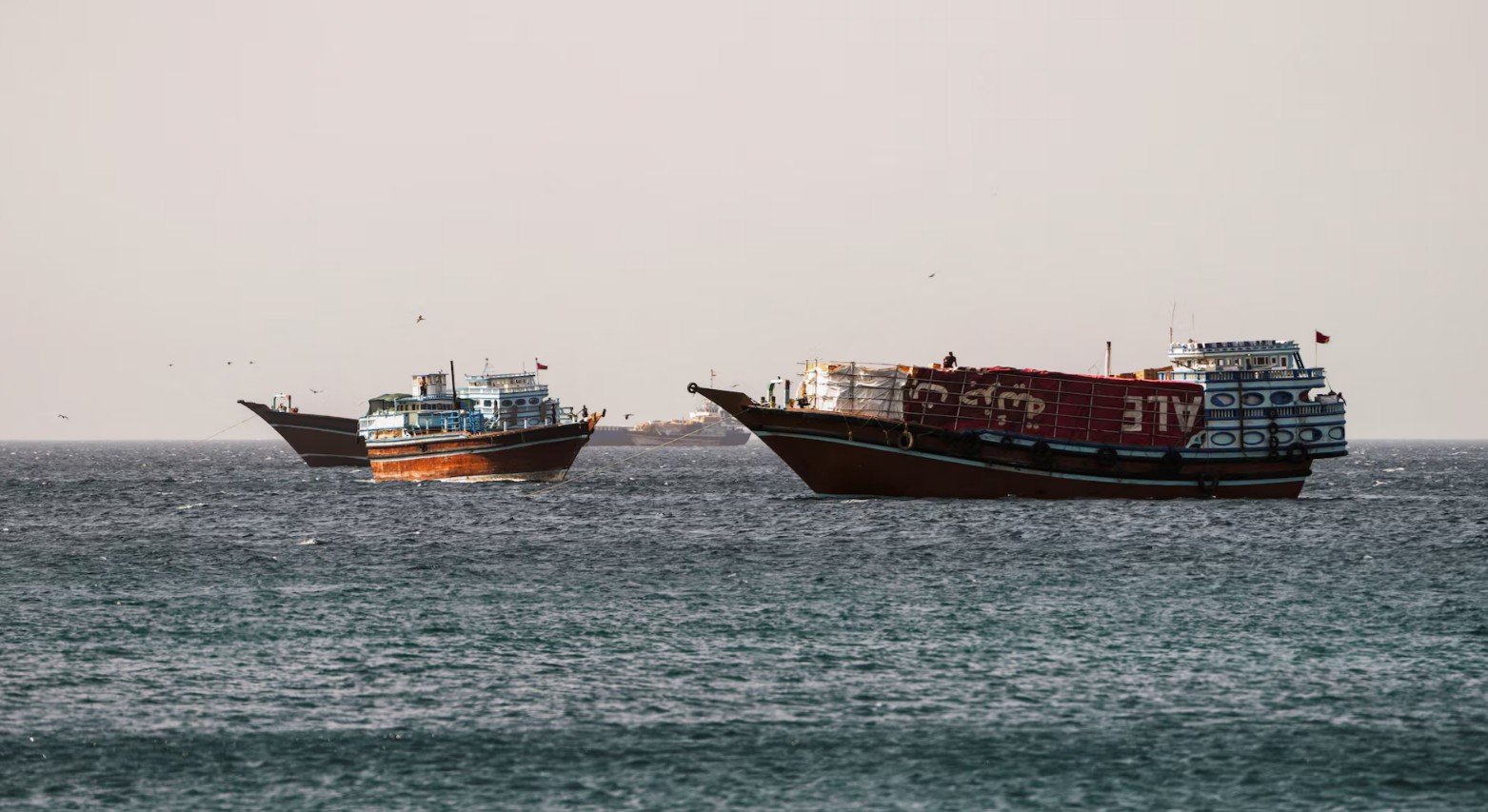
Against the backdrop of diplomatic manoeuvring over the Strait of Hormuz, Iran‑backed Yemeni Houthis have intensified attacks on maritime vessels. On Wednesday, the militants said they had struck the Saudi oil tanker “Daisy” with a ballistic missile in the Gulf of Aden. Houthi spokesman Brigadier General Yahya Sari said the attack “achieved its goal” and forced the vessel to turn back. According to agencies, all crew members are safe.
This attack was the second of the day: earlier, the Houthis claimed to have struck another Saudi tanker in the northern Red Sea. The militants have declared a “blockade for blockade” policy and promised to intensify strikes in response to Saudi actions.
The Israeli‑Lebanese front: strikes amid talks
At the same time, escalation occurred on the Israeli‑Lebanese border. The Israel Defense Forces carried out airstrikes on southern Lebanon. The IDF said it had struck Hezbollah targets in response to shelling of Israeli territory. Strikes were carried out in the areas of Al‑Mansuri, Majdal‑Zun and Burj al‑Shamali.
The attacks came amid a new round of US‑mediated talks between Israel and Lebanon in Rome. According to media reports, the talks ended earlier than scheduled, and Israeli military officials are considering further escalation. The June framework agreement, reached with US mediation, provided for the gradual disarmament of Hezbollah, the withdrawal of Israeli troops from southern Lebanon and the deployment of the Lebanese army there.
Diplomatic efforts to resolve the Middle East conflicts are running into new military challenges. Iran denies contacts with the US but continues talks with Oman over the Strait of Hormuz, with the chances of success rated at “50-50.”
At the same time, the Houthis are intensifying attacks on shipping in the Red Sea and the Gulf of Aden, while Israel has resumed strikes on Lebanon despite ongoing US‑mediated talks in Rome. The question is whether diplomacy can prevail over military logic – or whether escalation at sea and on land will continue.