DUBAI (Realist English). The Trump administration has found itself in a strategic deadlock in its confrontation with Iran.
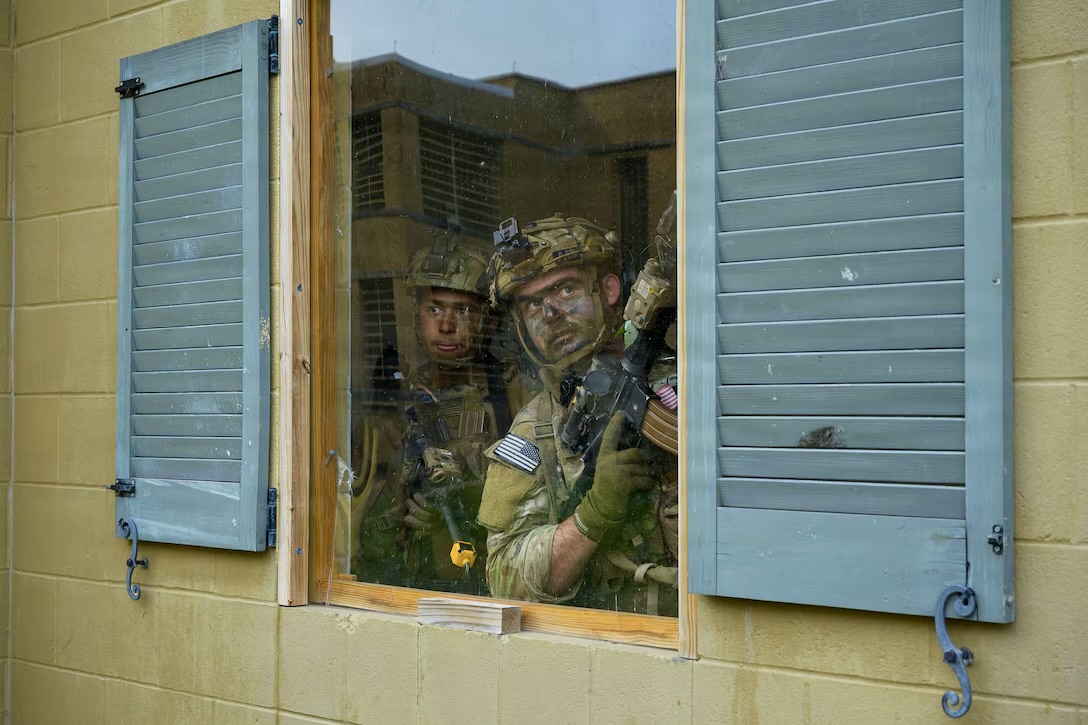
On one hand, the US military command has taken the unprecedented step of reaching out to soldiers for “creative and unconventional” ideas for putting pressure on Tehran.
On the other, Iran is negotiating with Oman over a new route through the Strait of Hormuz that could cement Tehran’s control over the strategic waterway. At the same time, Tehran denies any direct contacts with Washington, despite Trump’s claims that talks have begun.
‘We need ideas’: Pentagon searches for a way out
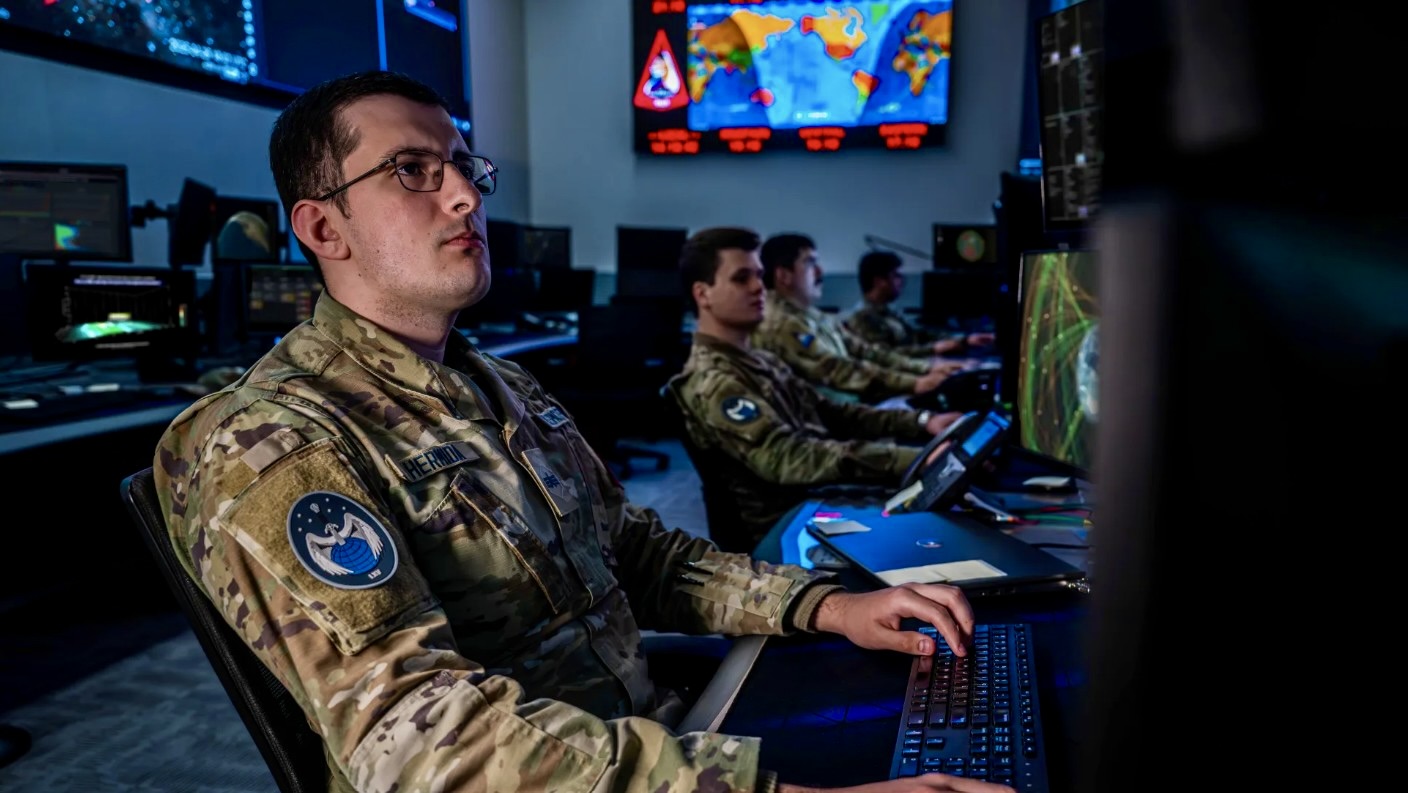
In late July, an intelligence officer from US Central Command (CENTCOM) sent an email to a wide group of military analysts. It read: “We are seeking new, creative and unconventional ways to pressure and punish Iran.” CNN sources described this “crowdsourcing” email request as unusual and indicative of the limited options available to Trump.
As CENTCOM explained, Commanding Admiral Cooper “is reaching out to members of our great team, regardless of rank, to achieve the highest possible level of operational effectiveness.”
However, behind the diplomatic wording lies an admission that the current strategy has failed. Two weeks of airstrikes on Iran have yielded no results, and Tehran’s nuclear facilities, which Trump had declared “destroyed,” are located deep underground. Striking them would require a ground operation using land forces – a risk the president is not yet willing to take.
The Pentagon is even considering a “fireworks” option – symbolic strikes on already targeted sites to create the appearance of victory and exit the war without achieving the original goal of eliminating Iran’s nuclear programme. However, as sources acknowledge, this is unlikely to solve the key problem: Iran’s claims to control the Strait of Hormuz.
“Ultimately, the president will want a deal, so he’ll keep looking for ways to toughen the position and get out of this,” one source said. “You need creative minds – especially when the usual options are running out.”
Iran’s game: Oman as a cover for strait control
While the Americans search for ideas, Tehran is staying one step ahead. Iran is negotiating with Oman to create a new temporary route through the Strait of Hormuz. Iranian Foreign Ministry spokesman Esmaeil Baghaei has stated that no talks are being held with the US, and the corridor being discussed with Oman is “bilateral” and does not involve third countries.
Under the draft agreement, vessels entering the Persian Gulf would follow a channel controlled by Iran along its coast, while those leaving would take the Omani route. Formally, no transit fee would be charged, but a “service fee” would be imposed to cover environmental and staffing costs, with revenues split equally between Iran and Oman. US officials have called Iran’s interpretation “inaccurate” and insist that any new routes are temporary in nature.
As The New York Times notes, the agreement with Oman could potentially put Iran in a better position than before the war began. Ali Vaez of the International Crisis Group summed it up: “Trump faces a choice between a hopeless war and an unacceptable peace.” Iran sees control over the Strait of Hormuz as its main trump card, and according to experts, it has no intention of giving it up.
The conflict drags on
Disagreements over the Strait of Hormuz remain the central obstacle. Washington insists that the June memorandum required Iran to open the strait. Tehran claims the text preserves its authority over shipping. The blockade of the strait, which has been in place since February, has already driven up global oil prices and raised the cost of gasoline in the US.
Against this backdrop, Trump’s statements about talks and the cancellation of strikes appear increasingly contradictory. The administration has found itself trapped: continued bombing is ineffective, a ground operation is risky, and a diplomatic settlement would require recognising Iranian control over the strategic waterway. The only question is how many more times Trump can put off the inevitable decision.