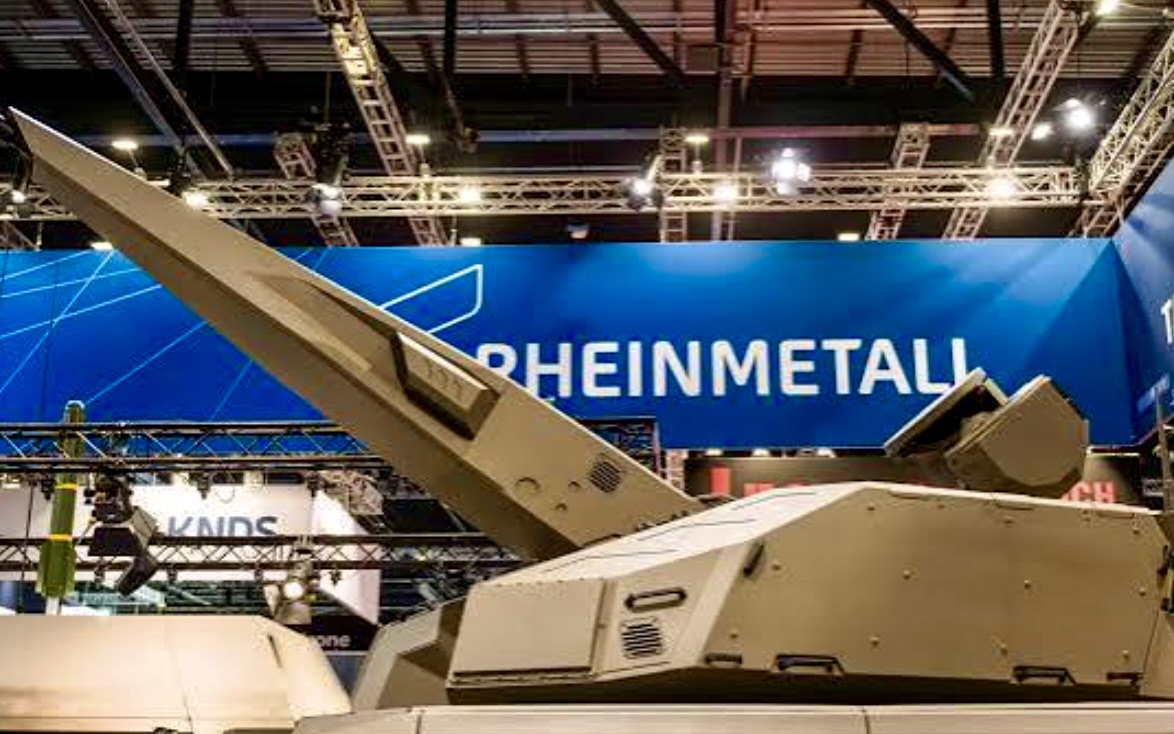
BERLIN (Realist English). German defence contractor Rheinmetall has lowered its 2026 sales forecast after the German government cancelled the multi‑billion‑euro F126 frigate project.
The new forecast is €13.7–14.2 billion, down €300 million from the previous target of €14.0–14.5 billion. However, the company is maintaining its operating margin target of 19% and confirming record results for the first half of the year.
F126 cancellation: a blow to Rheinmetall’s naval ambitions
In June 2026, Germany’s Defence Ministry decided to scrap the F126 programme – the construction of six frigates that would have been the largest vessels in the German fleet since World War II. The reasons cited were years of delays, projected cost overruns and risks associated with a change in the prime contractor.
The programme was originally estimated at €10 billion, but by the time of cancellation it had risen to €15.2 billion, and with additional commitments could have exceeded €18 billion. Around €2.3 billion in taxpayer money had already been spent on the project. Instead of six F126 frigates, Berlin plans to order eight smaller MEKO A‑200 vessels from rival TKMS (Thyssenkrupp Marine Systems).
For Rheinmetall, the cancellation was a serious blow to its recently launched expansion into the naval sector. In March 2026, the company acquired the Naval Vessels Lürssen shipyard, aiming to become a key player in this segment. However, the government’s decision deprived the group of a contract it had every chance of winning.
Financial performance: record half‑year despite contract loss
Despite the €300 million reduction in its revenue forecast, Rheinmetall has posted impressive results for the first half of 2026:
- Revenue grew by 39% compared to the same period last year.
- Operating profit rose by 74% to €562 million.
- Second‑quarter sales reached €3.29 billion, up 69% year‑on‑year.
- Operating margin hit 17.1%, beating analyst expectations of 14.9%.
Rheinmetall CEO Armin Papperger called the results “record growth” and confirmed that the company is “on the right track to achieve its annual targets.” At the same time, he stressed that the group is continuing to work on existing naval orders and is aiming to secure new ones – both in Germany and internationally.
Investors nervous: shares fall despite strong numbers
Despite record quarterly figures, Rheinmetall shares fell about 3% at the start of trading on 6 August, though later corrected to +1.4%.
Since June, when news of the F126 cancellation broke, the company’s shares have lost about 25% of their value. This reflects growing investor concern: after five years of rapid growth (Rheinmetall shares have risen more than 1,000%), the market is beginning to question the defence industry’s ability to handle rising orders amid chronic delays and budget overruns.
Defence boom amid geopolitical conflicts
Since the beginning of the special military operation in Ukraine in February 2022, Rheinmetall has been one of the main beneficiaries of rising defence spending in Europe. The company is Europe’s largest ammunition manufacturer and aims to achieve annual revenue of €50 billion by 2030.
However, the F126 cancellation, along with recent reports that the US has used up virtually all of its long‑range missiles during the war with Iran, serve as reminders to investors of the fragility of defence contracts and their dependence on political decisions.
Rheinmetall remains optimistic about the future despite losing the contract. The company continues to expand production capacity and diversify its order book, including international projects. However, the F126 cancellation is a warning sign: even amid rising defence budgets, political decisions can deprive a group of multi‑billion‑euro contracts overnight.
As Armin Papperger noted, “in the naval business, we are looking ahead and working hard to fulfill our current orders and secure new ones on the international stage.” The question is whether Rheinmetall can compensate for the loss of the German contract through export sales – or whether the F126 cancellation marks the beginning of a more serious cooling in the European defence market.