DUBAI (Realist English). In the night of 29 July, US and Saudi Arabian forces carried out joint airstrikes against positions of Iran-backed paramilitary groups in Iraq.
This is the first time since the start of the conflict that Riyadh has officially acknowledged its participation in combat operations on Washington’s side.
The strikes came in response to an Iranian rocket attack on a US military base in Jordan. US President Donald Trump, in an interview with Fox News, promised to “hit hard” against Tehran, declaring that the Iranians would “get a beating.”
“We will hit them hard. They’ll get a beating,” Fox News correspondent Trey Yingst quoted Trump as saying.
How it unfolded: rocket attack on Jordan and joint strikes
On the evening of 28 July, the Islamic Revolutionary Guard Corps (IRGC) launched several ballistic missiles at US military facilities in Jordan. US Central Command (CENTCOM) reported that all missiles were “successfully intercepted.” Iran stated that it had targeted a US airbase and command centre in Jordan “in response to the aggressive actions of the US army.”
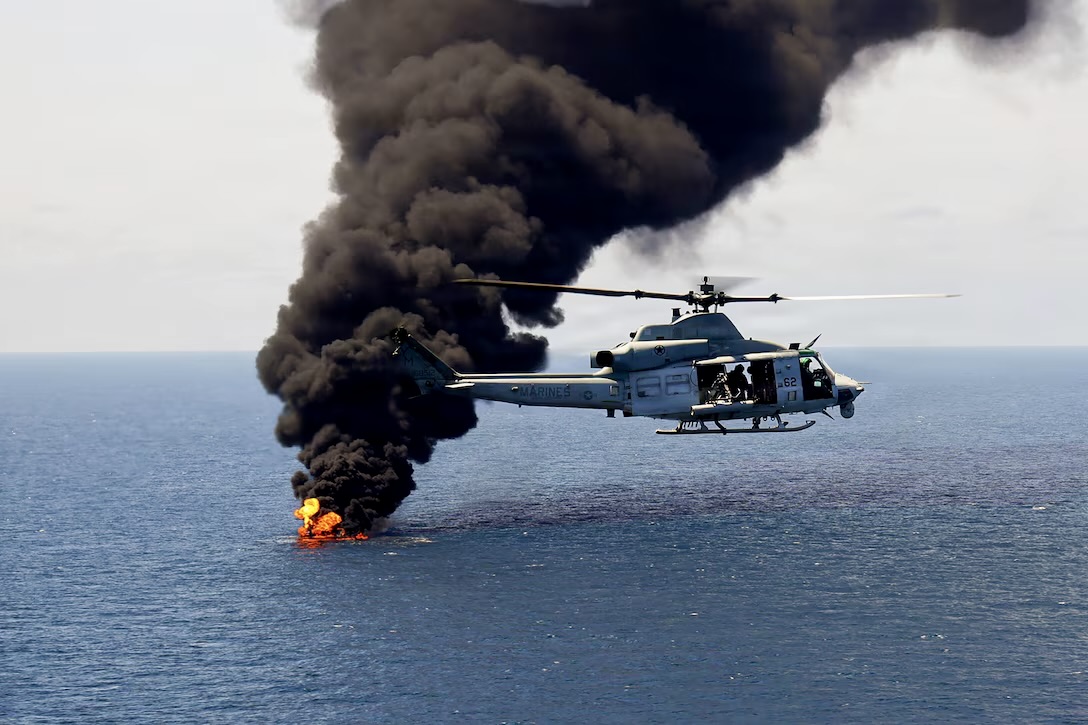
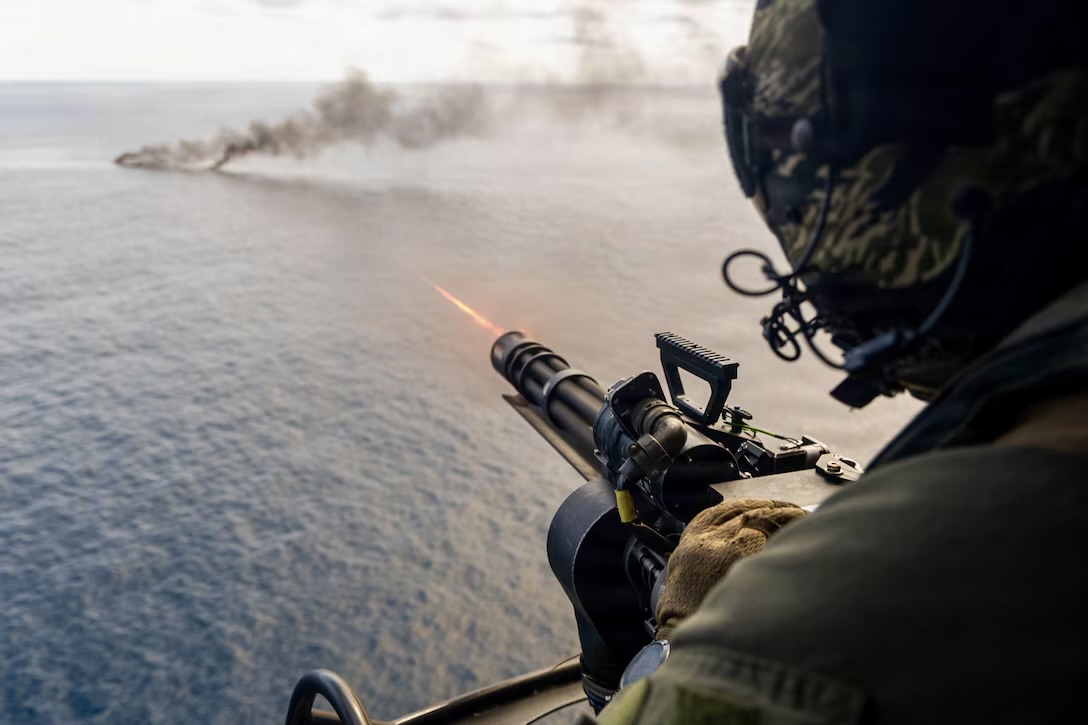
Just hours later, American and Saudi fighter jets carried out “precision strikes” against facilities of Iran-aligned groups in eastern Iraq. In a statement, CENTCOM said the strikes were a “powerful response to more than 30 drone attacks directed by the IRGC over the past 72 hours.”
According to Iraq’s Popular Mobilization Forces (PMF) — an umbrella organisation that includes several Iran-backed formations officially integrated into Iraq’s security apparatus — at least 20 fighters were killed and 32 wounded in the strikes. Targets were hit in the provinces of Baghdad, Wasit, Nineveh, Basra, Kirkuk, Karbala, and Diyala.
Why Saudi Arabia joined the conflict
The reason for Riyadh’s involvement was repeated drone attacks on the kingdom’s oil facilities. On Tuesday, Saudi air defence systems intercepted and destroyed drones targeting oil infrastructure in the Eastern Province. Saudi Ministry of Defence spokesman Brigadier General Turki al-Malki stated that the drones had been launched by Iran-backed groups from Iraqi territory.
“The Kingdom of Saudi Arabia affirms that it does not seek escalation, but will respond decisively to any aggression directed against it,” al-Malki emphasised.
Saudi Arabia restored diplomatic relations with Iran in 2023, but during the current conflict it has repeatedly come under missile and drone attacks from the Iranian side, targeting both US military installations and the kingdom’s energy infrastructure.
‘They’ll get a beating’: Trump threatens Iran with new wave of strikes
In his Fox News interview, Trump, according to journalists’ reports, used profanity while promising to “spank” Iran. At the same time, the president stressed that the US is not withdrawing from the negotiating process with Tehran, and Iran will be “given the opportunity to continue talks.”
Trump also assured that the strikes on Iraq had been coordinated with Baghdad. However, the Iraqi government — which maintains close military and diplomatic ties with both Iran and the US — condemned the bombings, calling them “an unacceptable attack and a flagrant violation of Iraq’s sovereignty.”
Iran, for its part, warned that accusations against Tehran of orchestrating attacks on Saudi Arabia constitute a “serious miscalculation.” Iran’s Foreign Ministry also condemned the joint US-Saudi strikes on Iraqi territory.
Strait of Hormuz: a new flashpoint
Simultaneously with the strikes on Iraq, the IRGC announced that its naval forces had struck three oil tankers in the Strait of Hormuz that had “ignored warnings” and were following an “unsafe and illegal route.” The IRGC stressed that it maintains full control over the strategic waterway.
Oman this week proposed a plan for joint regional control of the strait with the support of Gulf states, but Tehran rejected the initiative as “unfounded.”
Market reaction and casualties
Oil prices surged amid the escalation. On the morning of 29 July, global Brent crude benchmarks jumped 4.3% to $87.70 per barrel, while US crude rose 4.2% to $82.62.
According to the latest Pentagon data, since February 2026, when Trump ordered strikes on Iran to begin, at least 624 US service members have been wounded. Three of the four American soldiers killed this month died in Jordan.
The lull — which had lasted just three days after 13 nights of intense US bombardment — is over. The joint strikes with Saudi Arabia open a new front in the conflict, drawing the Sunni monarchy into direct confrontation with Iran’s Shia proxies.
Trump has promised further strikes on Iran. Tehran has declared it will not relinquish control of the Strait of Hormuz. The conflict, which began in February, is not ending — it is expanding. And now, alongside the US and Israel, the largest monarchy in the Gulf is also involved.