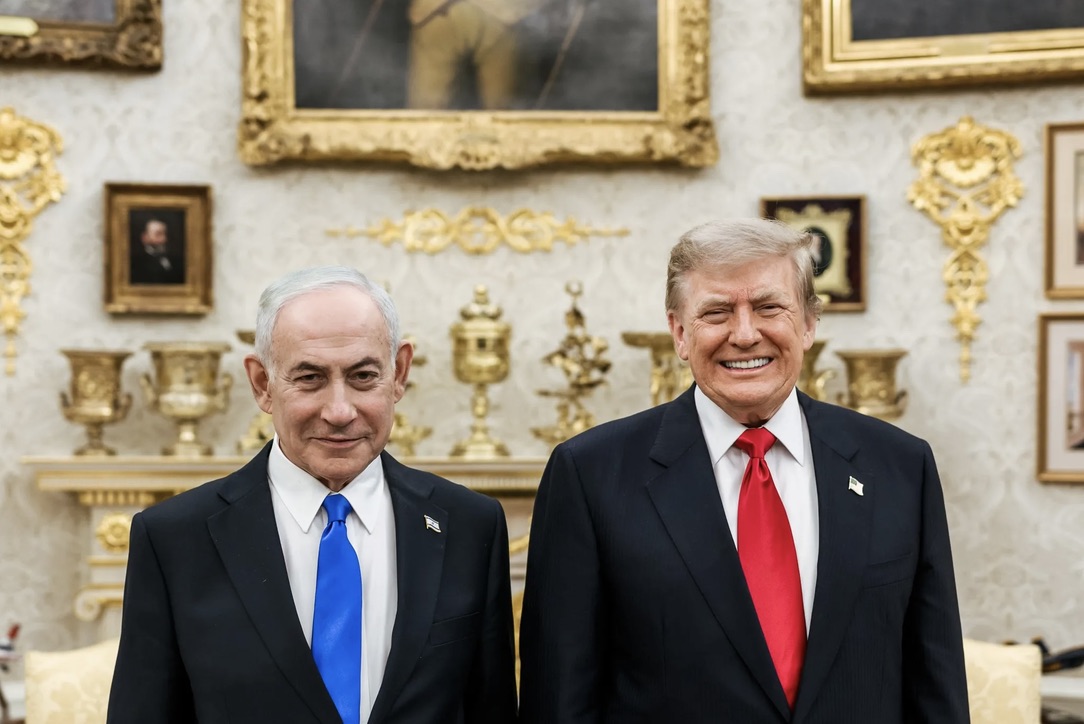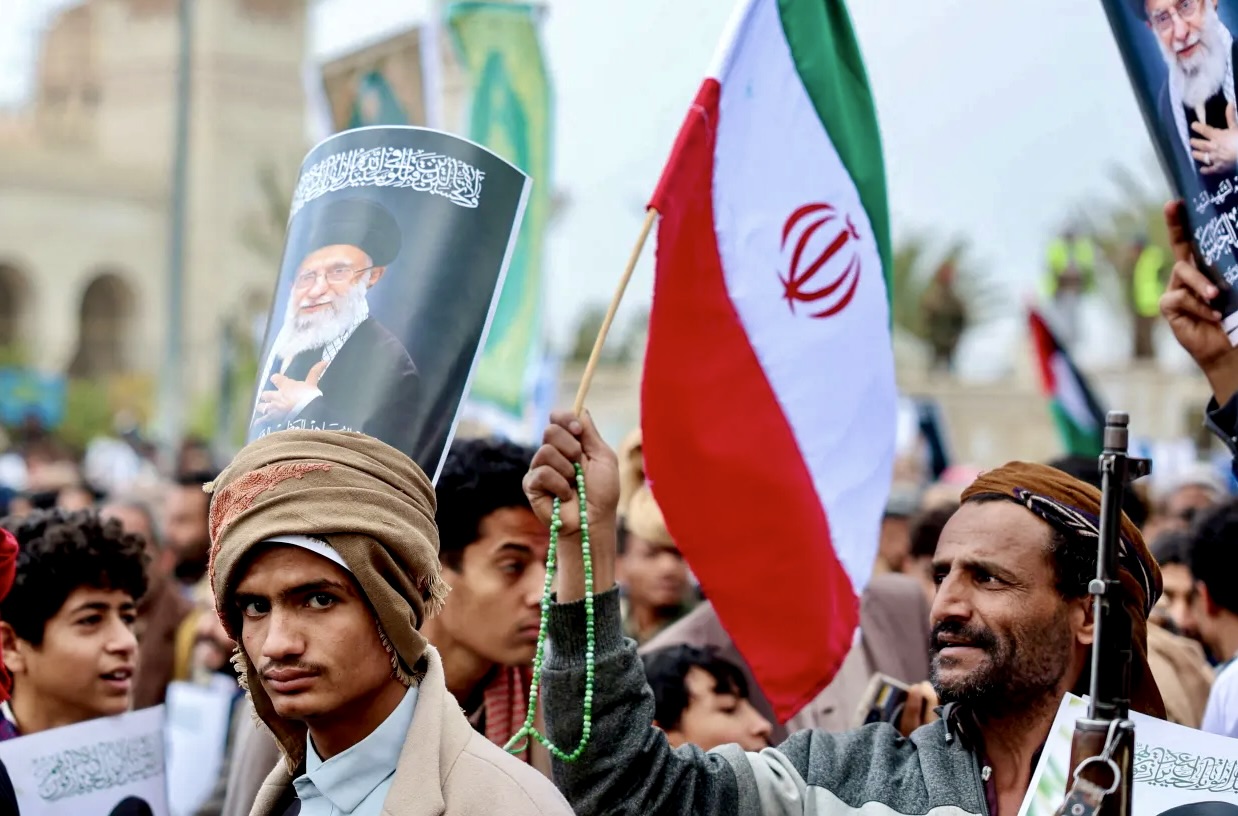
WASHINGTON (Realist English). The five‑month US‑Israeli war against Iran has not achieved its stated objectives. Instead of weakening Tehran and its allies, the conflict has had the opposite effect: the “Axis of Resistance” has not only survived but has transformed into a more dangerous, decentralised network capable of striking across the region.
This is the conclusion reached by the authors of an article in Foreign Affairs – analysts Peter Salisbury (Columbia University), Wolf‑Christian Paes (IISS) and Henry Thompson (former member of the UN experts group on Yemen).
Their verdict: the “decapitation” strategy has failed, and the Axis has become only more flexible and resilient.
The ‘octopus’ strategy backfired
At the core of the American approach was the octopus metaphor: if you destroy the “head” in Tehran, the “tentacles” – the allies in Lebanon, Iraq, Yemen and Gaza – would collapse on their own. The strategists believed that strikes on the economy, leadership, weapons factories and supply lines would break the regime.
However, reality turned out differently. As the authors write, “the survival of both the Islamic Republic and its partners, despite years of apparent setbacks, points to a fundamental flaw in the thinking that led to the conflict.”
Instead of collapsing, the Axis of Resistance has reorganised into a “flexible and decentralised network capable of rapidly re‑organising and replenishing its arsenal.”
Four fronts where the Axis is striking
The Foreign Affairs authors document the activation of all key Iranian allies:
- Hezbollah in Lebanon continues to threaten Israel, despite the IDF’s intensive military campaign in southern Lebanon.
- Iraqi Shia militias are attacking oil and gas infrastructure in the Gulf states.
- Yemeni Houthis have resumed their campaign against commercial vessels in the Red Sea.
- Hamas remains a factor in Gaza, and the network as a whole demonstrates an ability to draw the US and Israel into a protracted war of attrition on multiple fronts.
Why the Axis has become more dangerous
According to the analysts, the key factor is structural transformation. Iran no longer manages its allies rigidly from the centre. Instead of a hierarchy, a “flexible, decentralised network” has emerged, whose members enjoy greater autonomy and make their own decisions based on local interests.
As Wolf‑Christian Paes has previously noted, the term “proxy” is misleading, as it implies command relationships, whereas in reality Iran’s allies are acting with increasing independence.
This autonomy makes the network incredibly resilient. The destruction of one link does not lead to the collapse of the entire system. In addition, the Axis has learned to absorb external shocks – from the killing of General Soleimani in 2020 to sanctions pressure.
The analysts conclude that military force and economic pressure alone are incapable of neutralising the threat. The authors call for the search for a “more promising approach,” including diplomatic negotiations with the Axis of Resistance.
Criticism: Western myopia
The Foreign Affairs article also drew criticism. Commentators point out that the authors advocate diplomacy but still frame Iran as an “irrational pariah” that needs to be “controlled,” rather than as a rational player responding to existential pressure.
Critics remind us that the Axis did not emerge from nowhere. It was forged in the crucible of American policy, including the 2003 invasion of Iraq, which eliminated Iran’s main enemy – Saddam Hussein – and handed Tehran a Shia‑majority government in Baghdad.
The Foreign Affairs analysts conclude that the five‑month war has not brought the US and Israel the desired result. Iran’s network has not just survived – it has become more dangerous. As one commentator put it, “the attempt to destroy the axis made the axis stronger.”
The US and Israel face a difficult choice: continue a costly military campaign that is not achieving its goals, or seek a diplomatic settlement with a network they have themselves strengthened. As one publication notes, re‑examining the article, “if we sincerely seek to break the ‘cycles of conflict,’ we must abandon this paternalistic, Western‑centric framework.”