TEHRAN (Realist English) . Bloomberg, citing Western officials, reports: despite months of US and Israeli airstrikes, Iran has preserved a significant portion of its capacity to produce missiles and drones. This allows it to rapidly replenish its arsenals. This directly contradicts statements by the Trump administration that Iran’s military industry has been “completely destroyed.”
Key assessment: Iran preserved production capacity
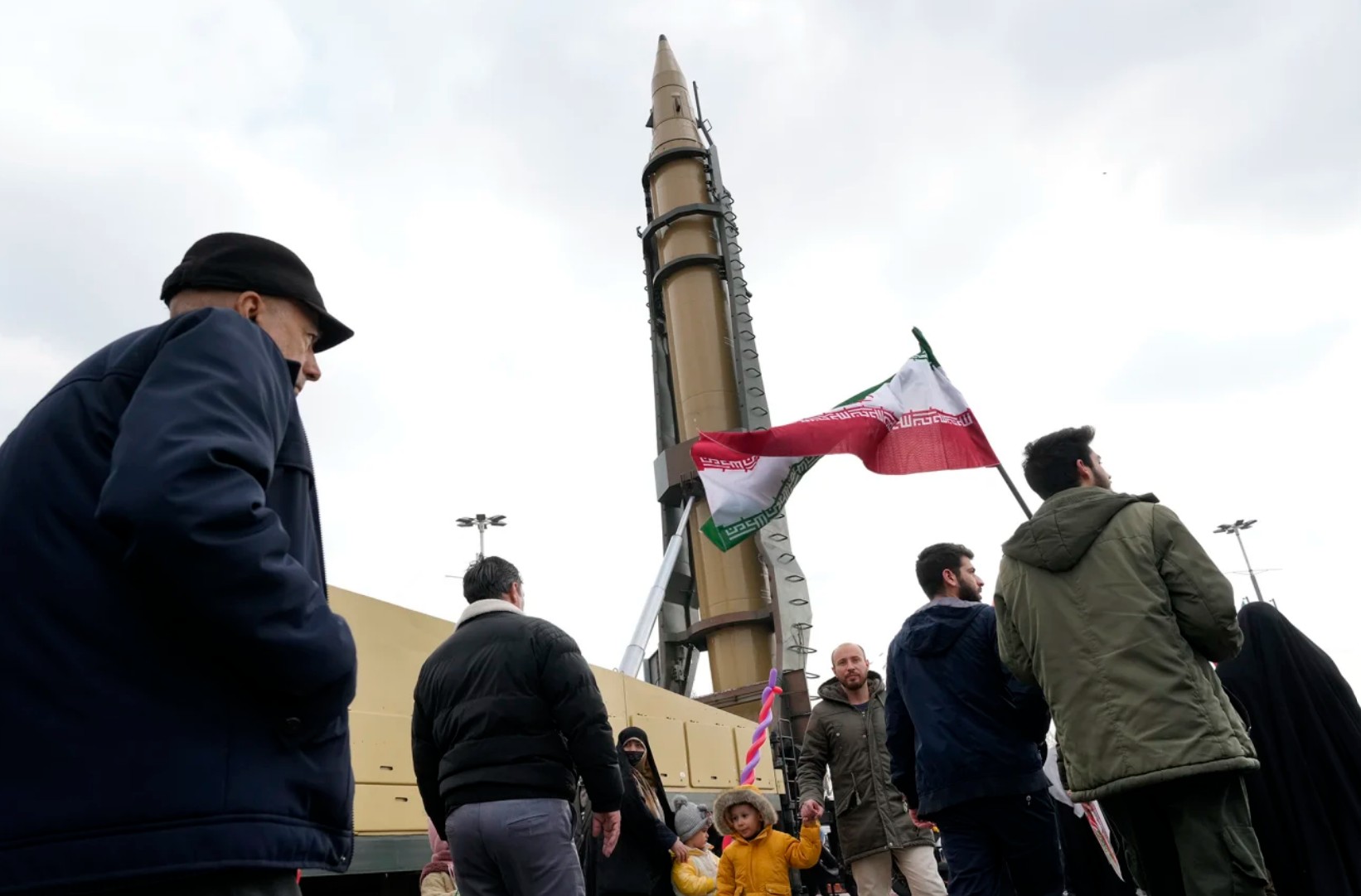
According to Bloomberg data from October 9, several Western officials stated: Iran still possesses the ability to produce ballistic missiles, cruise missiles, and drones. It also has significant stockpiles of ballistic missiles and some reserves of anti-ship weapons. This allows it to increase quantities in relatively short timeframes.
One Western official also reported: Russia is supplying missiles to Iran. This assessment coincides with another intelligence assessment from June. The Russian Ministry of Defense did not respond to a request for comment.
Contradiction with official statements
These assessments directly contradict public statements by the Trump administration. Trump previously called the Iranian army “completely destroyed.” Defense Secretary Hegseth stated on September 30 that the US had destroyed Iran’s “military-industrial potential” and its “entire defense foundation.”
White House Press Secretary Anna Kelly, in response to Bloomberg’s request, insisted: the US destroyed Iran’s nuclear facilities during Operation “Midnight Hammer.”
During Operation “Epic Fury” — Iran’s “conventional defensive shield,” including ballistic missiles, production facilities, and naval forces. But neither the White House nor the Pentagon gave a direct comment on the latest assessment.
Data supporting the assessment
Pre-war stockpiles. Israel estimated Iran’s pre-war arsenal at approximately 2,500 ballistic missiles. According to Western intelligence assessments as of June, Iran preserved about three-quarters of its pre-war munitions.
Already launched. According to Bloomberg Economics analysis, since the conflict began on February 28, Iran has launched more than 4,000 Shahed cruise missiles and at least 2,000 ballistic missiles.
Production capabilities. Western officials claim: Iran is still capable of producing more missiles “relatively quickly.”
Why Iran preserved its capabilities
Analysts point to several key factors.
Anti-ship missiles are relatively simple to produce. Iran localized production of most models of old Chinese anti-ship cruise missiles. Production lines are dispersed, and the technical threshold is lower.
Southern mountains provide natural cover. The mountainous terrain in southern Iran provides natural protection for production facilities from airstrikes.
Underground facilities and dispersal. According to The Wall Street Journal, Iran resumed ballistic missile production in underground facilities using stockpiled components. Including at the Khojir missile base in the southeast. Iran is also attempting to create new underground assembly points.
Preparation for asymmetric warfare. Analysts believe: Iran may increasingly shift to asymmetric warfare, threatening shipping in the Strait of Hormuz with anti-ship missiles. Pacific Forum researcher William Alberque stated: Iran “has spent years stockpiling and hiding cruise missiles for itself and the Houthis.” “What we see may be just the tip of the iceberg,” he said.
Political and military consequences
The pause in airstrikes gives Iran a breather. Trump stated: there will be no new major strikes on Iran before the midterm elections in November. Bloomberg Economics defense chief Beca Wasser noted: the pause gives Iran time for recovery and rearmament. It is preparing for what it sees as the “inevitable” next round of conflict.
The war may drag on. Wasser warned: the cycle of “de-escalation → rearmament → renewed conflict” could prolong the war. At the same time, neither side will be able to achieve a decisive advantage.
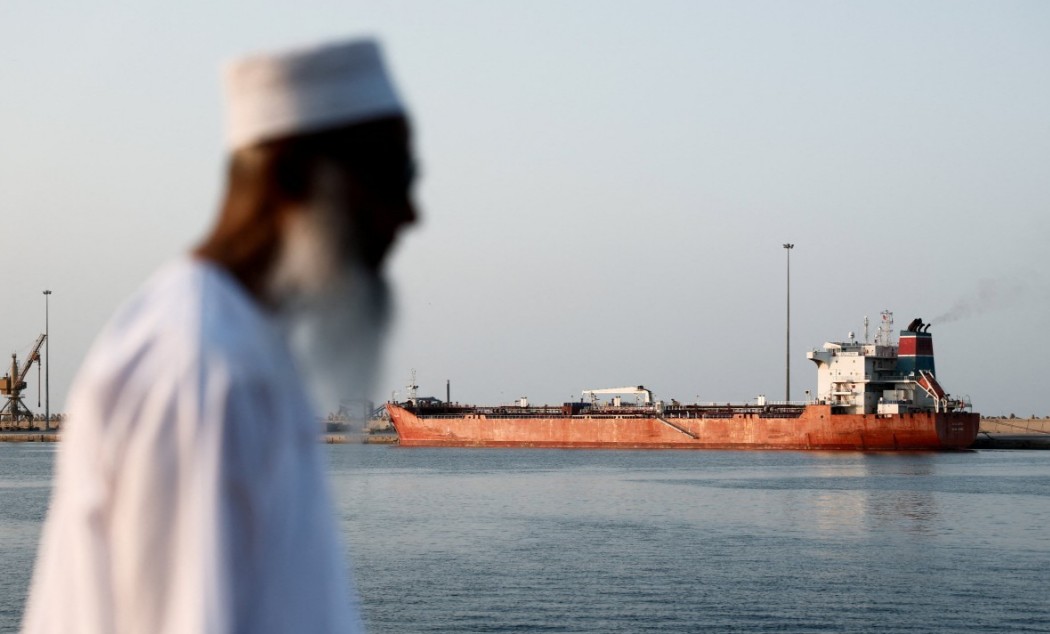
Pressure on the Strait of Hormuz is growing. Simultaneously, Iran has intensified attacks on vessels near the strait. According to the UK Navy, at least 10 vessels have been attacked over the past week. Daily tanker charter rates have risen from less than $50,000 before the war to approximately $1.2 million.
Other points of view
Not all assessments are so favorable to Iran. Former CIA analyst and visiting researcher at King’s College London Jim Lamson believes: US and Israeli airstrikes have very likely seriously undermined Iran’s pre-war production capacity in the long term. The damage may persist for a long time.
But even under this more cautious assessment, Iran’s dispersed and underground production network makes the complete destruction of its missile potential extremely difficult. Sciences Po Iran strategy specialist Graevski stated: “You can try to destroy facilities, you can try to destroy the missiles themselves. But Iran’s ability to regenerate is actually higher than in the nuclear program, and it is quite dispersed.” According to him, Iran built such a complex missile infrastructure precisely because it feared such a development.