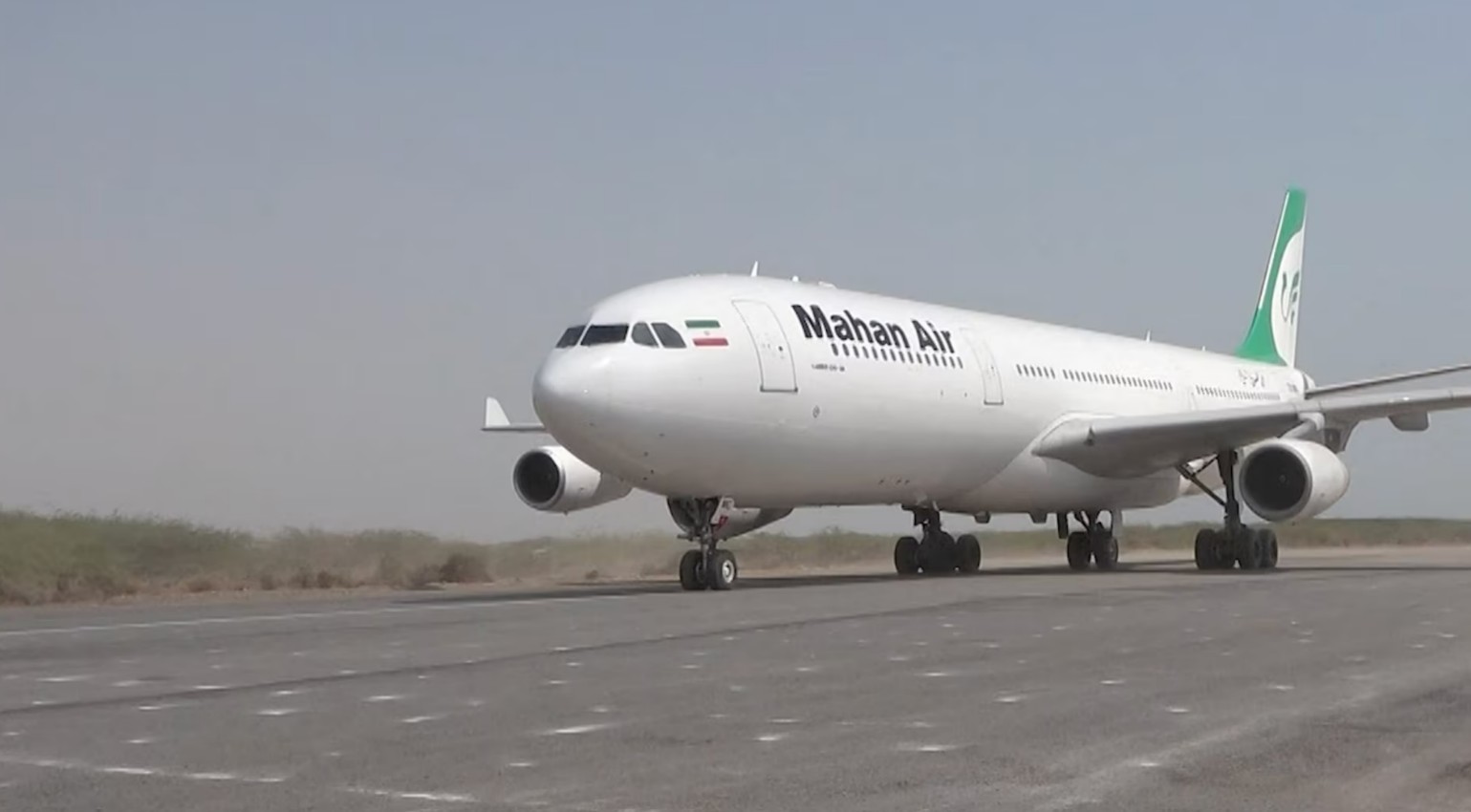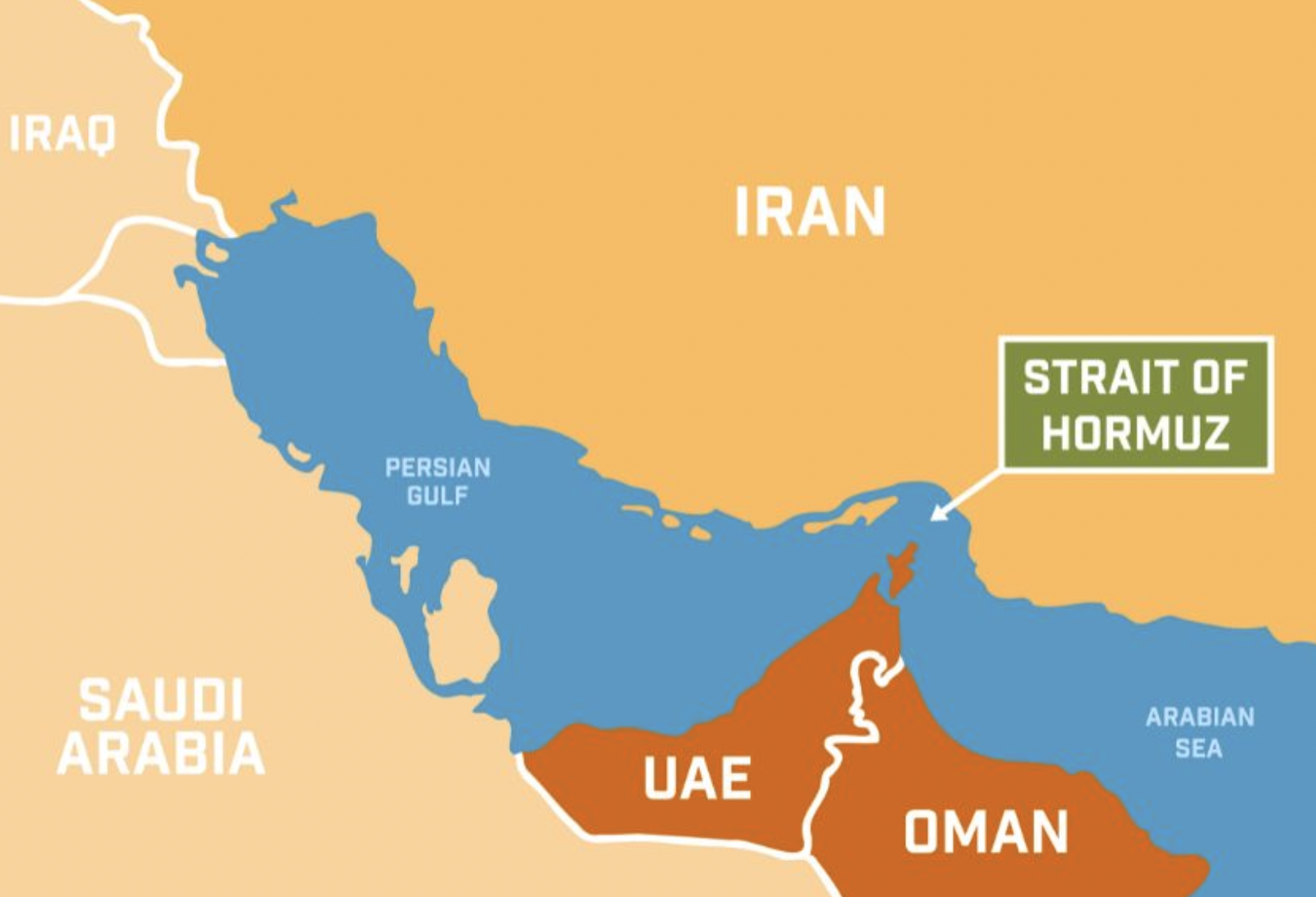
DOHA (Realist English). Just one week after the signing of the interim memorandum between the US and Iran, shipping through the Strait of Hormuz has once again come under threat. Iranian authorities have ordered at least three oil tankers to turn back, with two additional vessels also changing course, according to maritime intelligence company Windward.
The Islamic Revolutionary Guard Corps (IRGC) warned that all ships passing through the strait must use routes designated by Iran. Any vessel sailing outside these routes is acting illegally, the IRGC stated.
The warnings were directed specifically against the temporary corridor proposed by Oman. Iranian media claim that several tankers have already turned back following the warnings.
Uncertainty deepened after a cargo ship in the strait was struck by an unknown projectile, sustaining damage to its bridge. The incident occurred just hours after Iran ordered four vessels to turn around.
Markets React with Price Hikes
News of the strait’s closure immediately impacted oil prices. Brent and WTI futures rose more than 1.6% to $75 and $71.60 per barrel respectively.
Earlier on Wednesday, June 24, 49 vessels passed through the strait — the highest daily figure since the start of the conflict. However, the restoration of shipping is now once again in doubt.
The Strait of Hormuz as Leverage
Before the war, about a fifth of global crude oil and petroleum product supplies passed through the strait. Iran is using control over this strategic waterway as its main bargaining chip in negotiations.
Today’s events show that Tehran has no intention of relinquishing this leverage, even after signing the memorandum.
US Response: Rubio Warns of Deal Violation
US Secretary of State Marco Rubio, currently in Bahrain for a meeting with Gulf leaders, said Washington is “interested in whether ships are moving.” If ships are not moving or are being threatened, that constitutes a violation of the agreement signed a week ago.
Rubio also rejected any Iranian attempts to charge for passage through the strait, stating that the US would not accept any fees — under any name.
Trump’s Deal: ‘Better Than War’
Donald Trump himself had previously stated that a peace agreement with Iran could be “even better than a military victory” over Tehran. The memorandum reached provides for an end to the war on all fronts, including Lebanon, the lifting of sanctions, the unfreezing of Iranian assets, and recognition of Iran’s sovereignty over the Strait of Hormuz.
However, critics point out that the agreement is merely a 60‑day pause, not a final peace. As The Guardian notes, even cynical diplomacy is better than war, but Trump should not call this a triumph.
The deal ends a war that was based on a miscalculation of Tehran’s strength, but leaves key issues unresolved — Iran’s nuclear programme and the future sanctions regime.
Fragile Ceasefire
The incidents of June 25 call into question the implementation of the memorandum. Tehran, on one hand, agreed to open the strait, but on the other, is tightening control and demanding permits for ship passage.
Observers note that similar radio transmissions were heard last weekend, but they were not accompanied by attacks on commercial vessels. Now the situation has changed.
While diplomats try to preserve the ceasefire, 11,000 seafarers and hundreds of merchant ships remain trapped in the Persian Gulf.
The United Nations is coordinating their phased evacuation, but each new incident puts this process at risk.