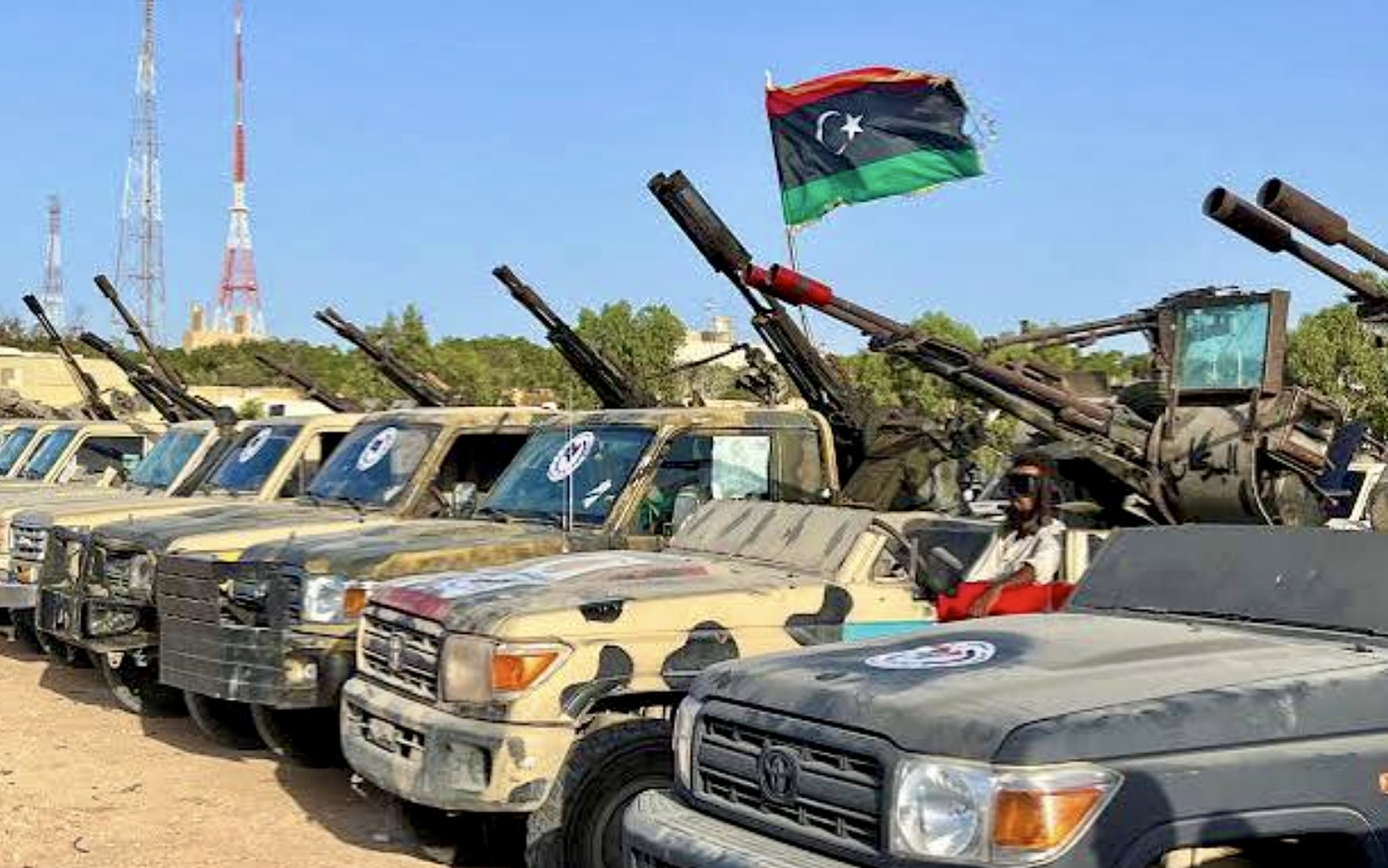
BENGHAZI (Realist English). The head of military intelligence of the Libyan National Army (LNA), Major General Fawzi al‑Mansuri, was killed on the evening of 10 August in a car bombing.
According to sources, the explosive device detonated as the general was getting into his vehicle near his home in the Al‑Hawari district (also known as Al‑Sayyida Aisha) in eastern Benghazi.
As a Libyan official told Turkish agency Anadolu on condition of anonymity, an improvised explosive device (IED) had been planted under al‑Mansuri’s vehicle and detonated as he was entering the car. The official called the incident a “terrorist attack.” The general sustained fatal injuries and died at the scene.
Who was Fawzi al‑Mansuri
| Parameter | Details |
| Name | Fawzi al‑Mansuri |
| Rank | Major General |
| Position | Head of Military Intelligence Department of the Libyan National Army (eastern Libya forces under Khalifa Haftar) |
| Previous post | Commander of the “Sabha” military zone (from 3 August 2021) |
| Appointment as intelligence chief | 20 May 2024 (appointed by Haftar) |
| Date of death | 10 August 2026 |
Circumstances of the attack
According to sources, the explosive device had been planted under the general’s vehicle. The explosion occurred near his home in the Hawari district of Benghazi.
Other reports place the attack near the Sayyida Aisha mosque.
No group has claimed responsibility for the killing. The identity of the perpetrators and the type of explosive used also remain unknown.
Libyan security forces have launched an investigation, but no official statements have been made so far.
Libya between East and West
The assassination comes amid the ongoing political and military fragmentation in Libya, which has persisted since the overthrow of Muammar Gaddafi in 2011.
| Region | Controlling force | Capital | Government |
| East and South | Libyan National Army (Khalifa Haftar) | Benghazi | Government appointed by the House of Representatives (Prime Minister Osama Hammad) |
| West | Government of National Unity (GNU) | Tripoli | Internationally recognised government of Abdul Hamid Dbeibeh |
Despite a ceasefire agreement reached in 2020, which halted large‑scale fighting, the division of the country into two rival camps has persisted since 2014.
Strengths and pressure points
The killing of the LNA intelligence chief is a serious blow to the eastern Libyan forces under Khalifa Haftar.
Al‑Mansuri was one of the key military figures of the eastern government, and his death creates a vacuum in the intelligence structure, which could destabilise the region.
The assassination also underscores Libya’s continued instability: years after a formal truce, armed groups still wield influence, and the political process that the UN has been trying to advance remains stalled.
With no group having claimed responsibility, the question of who was behind the attack remains open.
Numerous armed factions operate in Libya, and establishing who exactly organised this killing will be key to understanding whether it will trigger a new escalation of violence or remain an isolated incident.