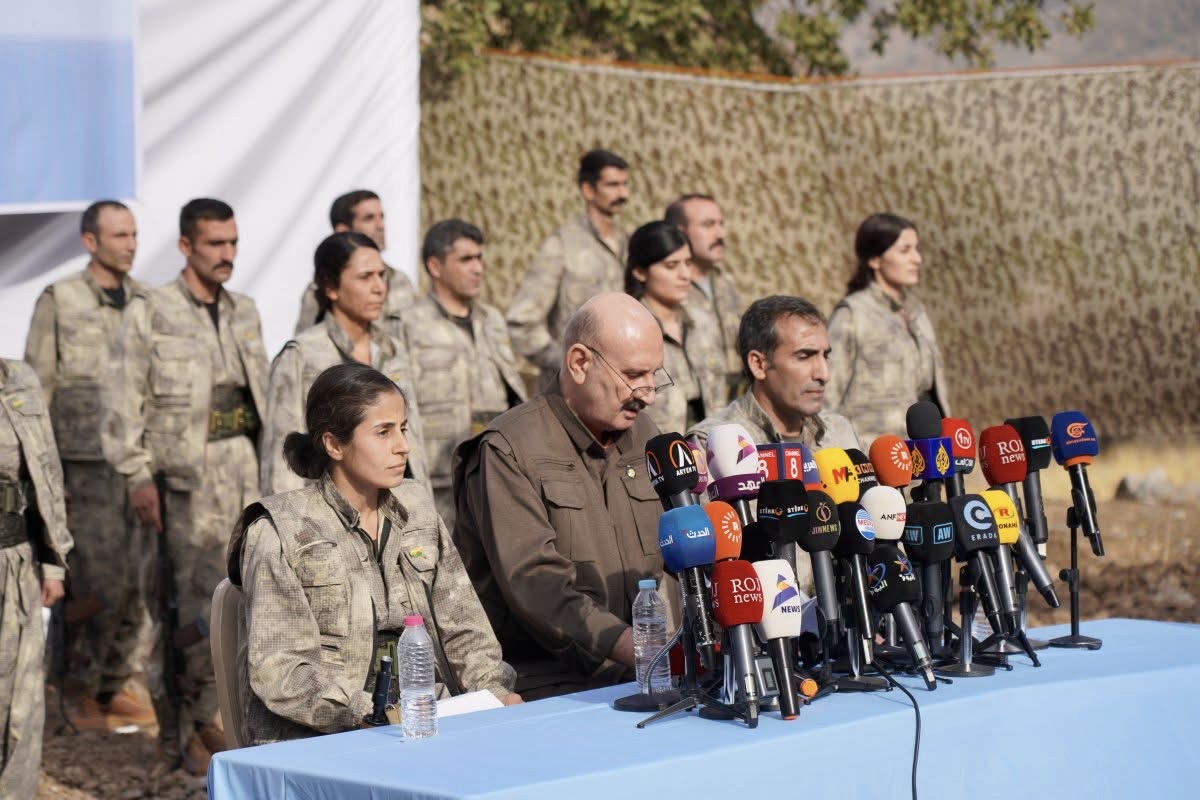
ANKARA (Realist English). On 10 August, the Turkish parliament passed the “Law on Strengthening National Solidarity and Social Integration,” which provides conditional pardon for thousands of members of the Kurdistan Workers’ Party (PKK).
The document is the first legislative step in the “Turkey Without Terror” process, aimed at ending a 40‑year conflict that has claimed between 40,000 and 45,000 lives, according to various estimates.
Terms and restrictions
The 12‑article law defines the procedure for disarmament and reintegration of PKK members, including militiamen in northern Iraq.
The document suspends criminal prosecution and the execution of sentences against PKK members for a period of 5 to 10 years, depending on the severity of the crime.
If amnestied individuals do not commit new crimes during this period, cases against them will be closed and sentences considered served.
The government has repeatedly stressed that this is not a blanket amnesty but a “mechanism to facilitate disarmament.” Key restrictions include:
| Category | Exclusion from the Law |
| Serious crimes | Intentional murder |
| Life‑sentenced prisoners | Convicted before 2005 |
| PKK leaders | Abdullah Öcalan (serving life sentence since 1999) |
Voting and support
After approximately 12 hours of debate, the bill was backed by 468 deputies, with 88 voting against and six abstaining. The document received broad cross‑party support:
| Party | Position |
| Justice and Development Party (AKP) | For |
| Nationalist Movement Party (MHP) | For |
| Democratic Party (DEM) | For |
| Main opposition Republican People’s Party (CHP) | Abstained or against (not specified) |
Öcalan’s fate and PKK reaction
Although the law does not provide for the release of PKK founder Abdullah Öcalan, Turkish Vice President Cevdet Yılmaz said he could “maintain a position that allows him to contribute to the peace process.”
The PKK, which is designated a terrorist organisation by Turkey, the US and the EU, called the law a “beginning” but pointed to “serious shortcomings.”
The group’s main condition for the full completion of the process is Öcalan’s release, warning that without this, some provisions of the law may remain mere formalities.
Implementation mechanism
The law will only come into force after Turkey’s National Security Council confirms that the PKK has fully disbanded and surrendered all weapons. After that, those wishing to take advantage of the amnesty will have six months to apply.
According to legislators, the law could initially affect about 3,500 PKK‑related prisoners.
Strengths and pressure points
The passage of the law is a breakthrough in settling the decades‑old conflict and, as the Financial Times notes, will allow Ankara to free up resources for operations in Syria and Iraq, and give Erdoğan the backing of the pro‑Kurdish party ahead of the 2028 elections. Broad parliamentary support indicates political consensus.
However, the key issue – Öcalan’s fate – remains unresolved. Without his release, the PKK may fail to meet disarmament conditions, potentially jeopardising the entire process. Furthermore, the law’s implementation is entirely dependent on the PKK’s willingness to lay down arms, and mutual distrust between the sides persists.