ANKARA (Realist English). Amid the protracted US‑Israeli conflict with Iran, Turkey has undertaken active diplomatic steps to prevent a new wave of instability on its southern borders.
Ankara demanded that Tehran cease military operations against Kurdish groups on Iranian and neighbouring Iraqi territory, warning that increased pressure could push these groups into Israel’s arms and jeopardise the fragile peace process with the Kurdistan Workers’ Party (PKK).
Diplomatic backdrop: gratitude from Tehran
A key episode in this diplomatic activity was Turkish Vice President Cevdet Yılmaz’s visit to Tehran in early August 2026 for the funeral of Iran’s Supreme Leader Ali Khamenei. During talks, Iranian President Masoud Pezeshkian thanked the Turkish side for helping to foil an Israeli plan to organise an armed Kurdish uprising in western Iran.
Ankara had earlier informed its American partners that the plan, attributed to Israeli Prime Minister Benjamin Netanyahu, was unrealistic and directly threatened Turkey’s national security. The Tel Aviv plan envisaged arming Iranian Kurds to create massive internal pressure on Tehran. However, Turkey, according to sources, played a key role in preventing this plan from being implemented.
Ankara’s ultimatum: ‘Don’t push Kurds to Israel’
In addition to the expressions of gratitude, the Turkish side delivered a stern warning to Tehran. Ankara called on Iranian authorities to refrain from military operations and harsh pressure on Kurdish groups operating along the Iran‑Iraq border.
Turkey’s main argument: excessive military pressure by Iran would inevitably push these groups toward cooperation with Israel, which would pose a serious threat to regional stability and strengthen Tel Aviv’s position in the region. In Ankara’s view, “the Iranian government should not intensify military pressure on Kurdish groups, as this could force them to move closer to Israel.”
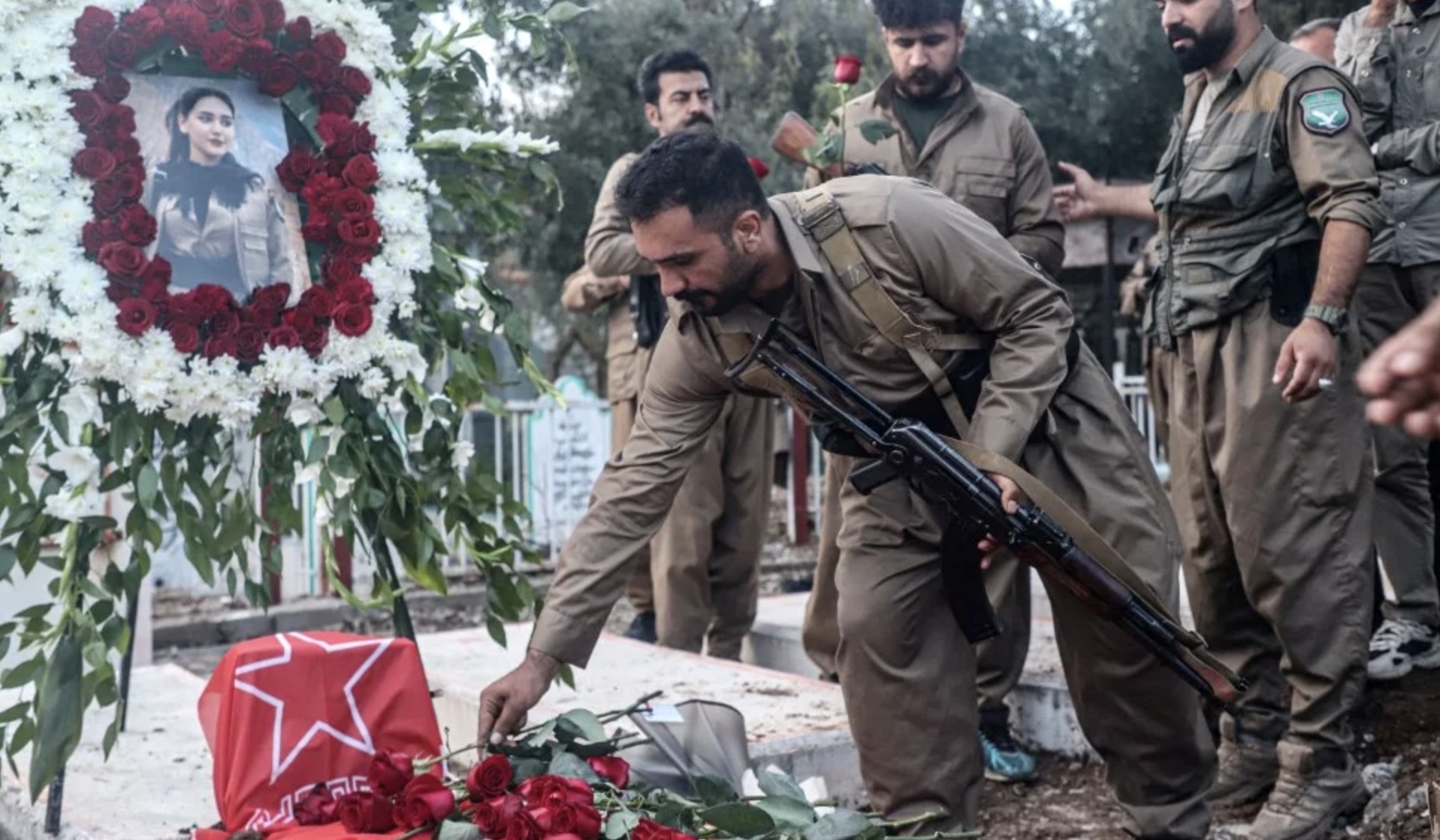
The groups most vulnerable to Iranian strikes include the Democratic Party of Iranian Kurdistan (PDKI), Komala and the Kurdistan Freedom Party (PAK), whose bases in northern Iraq are regularly shelled by Tehran.
PKK peace process under threat
The main reason for Ankara’s proactive stance is its desire to protect the fragile peace process with the PKK, which is at a critical stage. In August 2026, Turkey’s ruling coalition introduced a bill in parliament allowing former PKK fighters to return to the country and reintegrate into society. The document is expected to be passed shortly.
However, the war with Iran has already slowed the settlement process that has been underway since the end of 2024. Both sides are reluctant to take decisive steps amid uncertainty. The PKK is demanding legal guarantees before disarmament, while the government insists on disarmament before reforms.
Turkish analysts note that any revival of the “Kurdish card” in regional politics could undermine the security architecture Ankara is trying to build for the post‑PKK era.
Iran strikes, Kurds seek neutrality
Despite diplomatic warnings, Iranian forces continue to strike Kurdish opposition bases. The Islamic Revolutionary Guard Corps (IRGC) periodically conducts drone and artillery operations against targets in Iraqi Kurdistan.
At the same time, Iraqi Kurdish parties – both the Kurdistan Democratic Party (KDP) and its traditional rival the Patriotic Union of Kurdistan (PUK) – have taken a common position, calling on Iranian opposition groups not to get drawn into the conflict with Iran. Turkish President Recep Tayyip Erdoğan publicly endorsed this neutrality.
The conflict surrounding Kurdish groups reveals a complex web of interests in the Middle East. Turkey, seeking to end its 40‑year war with the PKK, is forced to balance between countering Israeli influence and curbing Iranian military activity.
Ankara has warned Tehran of the risks, but Tehran appears unwilling to abandon its coercive methods. The key question is whether Turkey’s fragile peace process can survive geopolitical turbulence – or whether the war in the region will reignite the Kurdish conflict, burying hopes for a settlement.