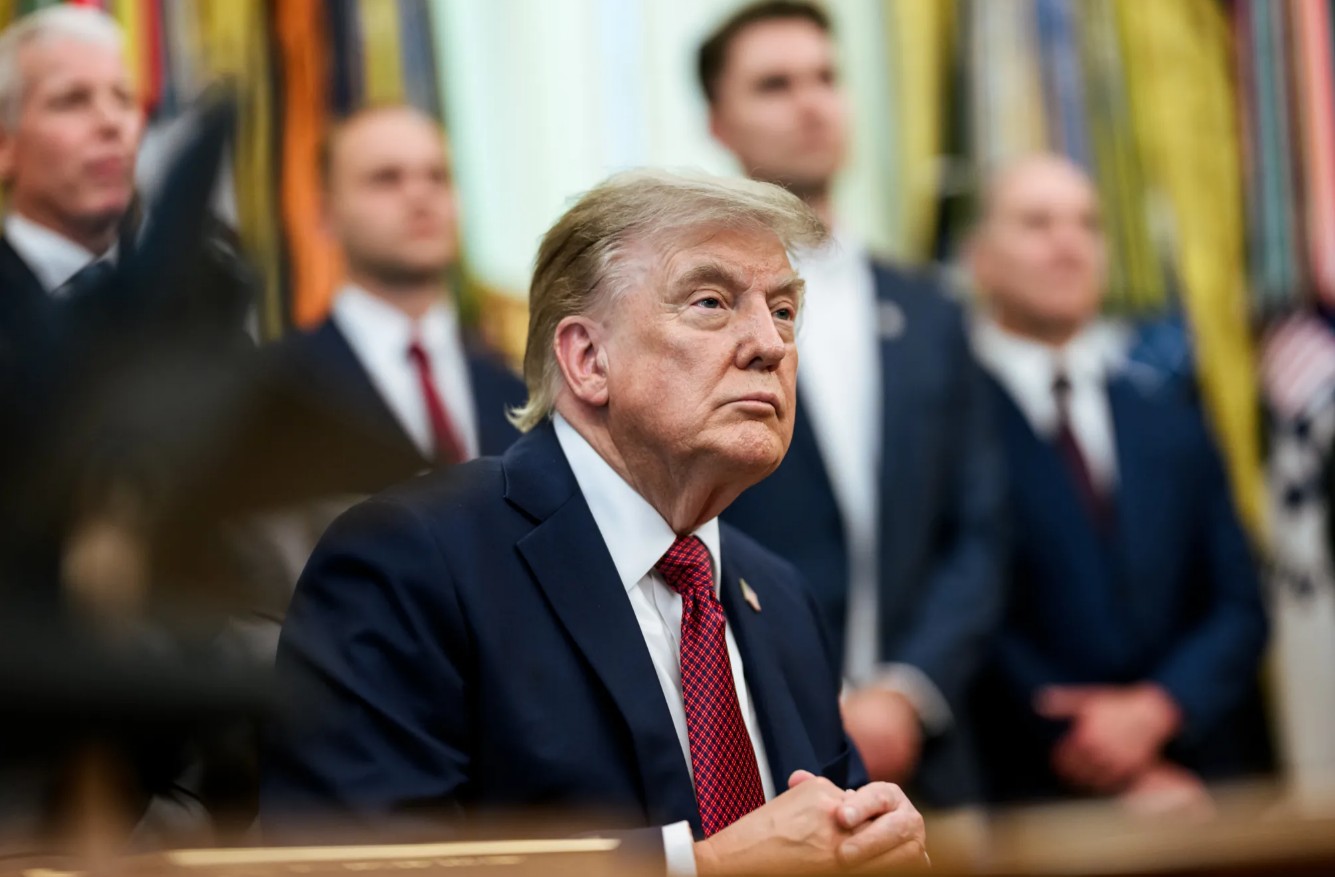
WASHINGTON (Realist English). On 7 August, the US State Department announced its intention to provide Colombia with $1 billion as part of a security assistance package.
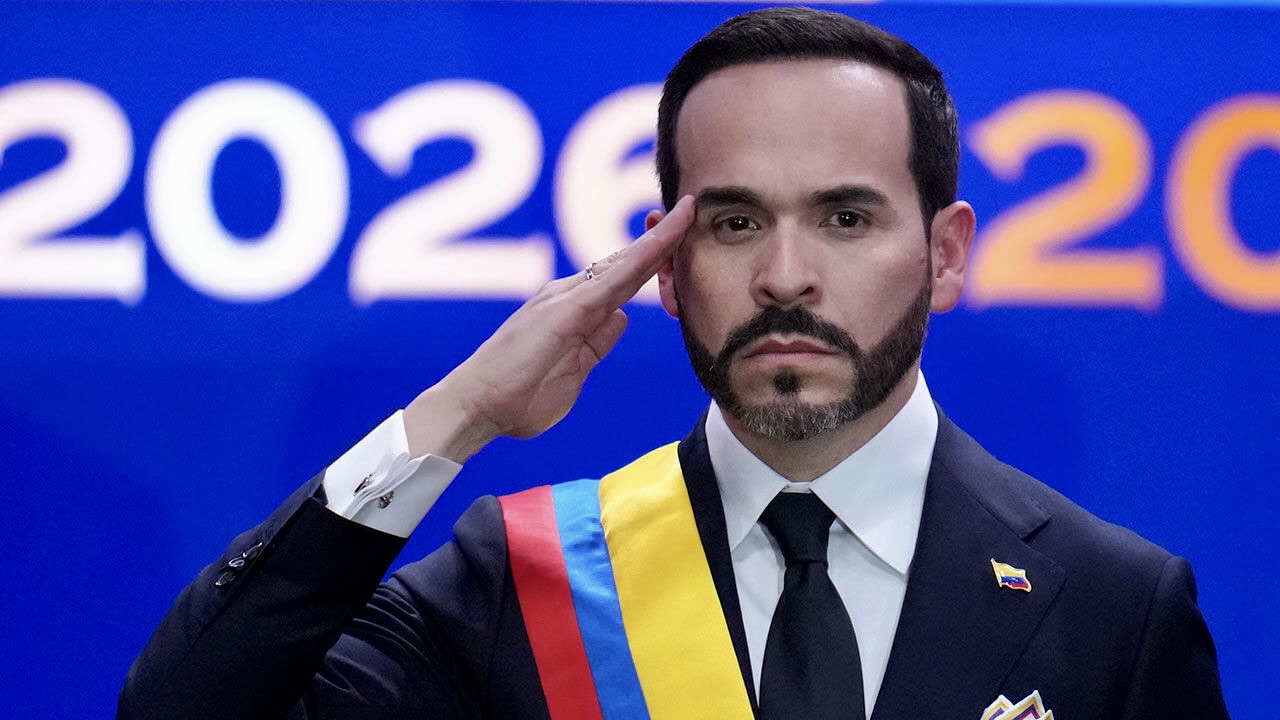
The announcement came immediately after the swearing‑in ceremony of the country’s new president, Abelardo de la Espriella, which also took place on 7 August in the city of Cali.
The US delegation at the inauguration was led by acting US Attorney General Todd Blanche.
What the assistance package includes
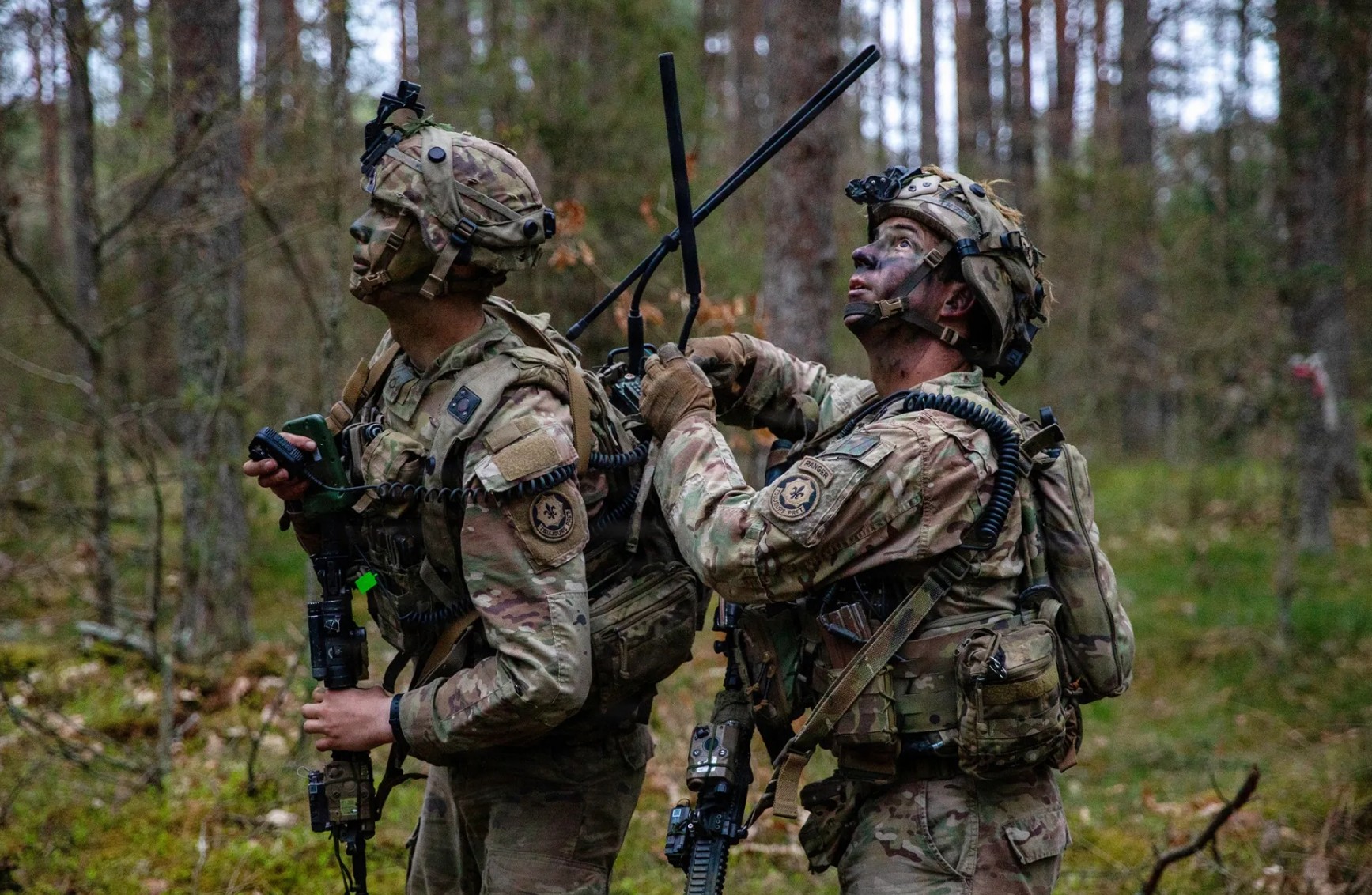
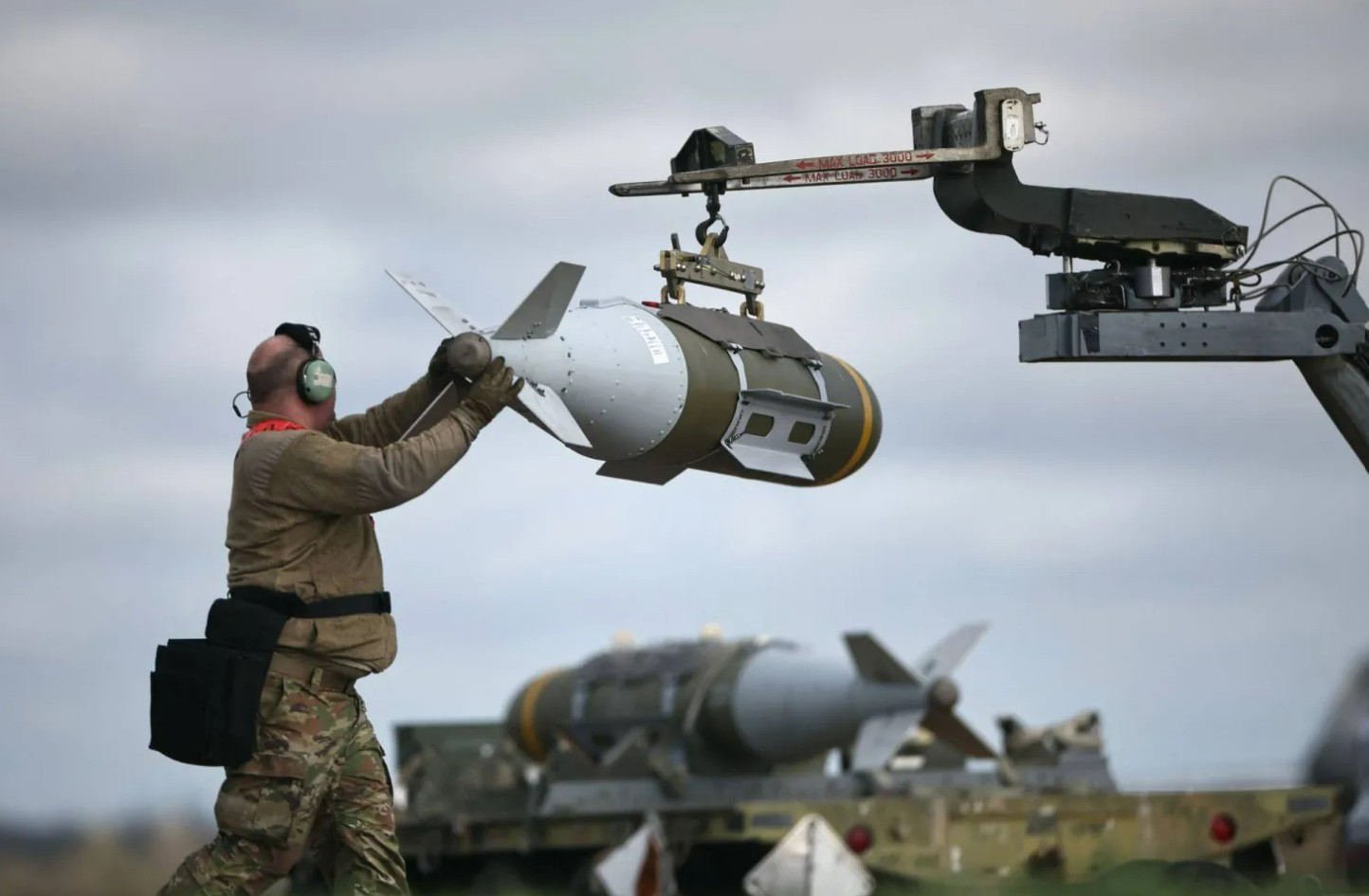
The funds will be used to strengthen Colombian security forces through American technology, improve defence spending efficiency, enhance military interoperability, and conduct coordinated operations with US forces.
The State Department called the package “the cornerstone of a renewed partnership.” In addition to the military component, part of the funding will be directed to economic projects, trade expansion, and the development of critical mineral deposits.
The Trump administration is also launching a “Bilateral Prosperity Dialogue” to stabilise Colombia’s economy and strengthen its energy sector.
Bogotá’s new course: from dialogue to ‘relentless victory’
De la Espriella, 48, who holds dual US‑Colombian citizenship, won the 21 June election by a margin of less than 1%. In his first speech to the military at the Pichincha base, delivered on 7 August, he declared his intention to “relentlessly defeat drug terrorism” and announced that “the possibility of dialogue has been completely exhausted.”
The new president’s first foreign policy move, taken on 7 August, was Colombia’s accession to the “Shield of the Americas” – a military coalition against drug cartels created at Trump’s initiative.
Among other things, de la Espriella proposed stationing US troops on Colombian territory, bombing cocaine laboratories in the jungle, building “mega‑prisons” and reducing the state apparatus.
Reaction and regional context
De la Espriella’s predecessor, Gustavo Petro, did not recognise the new president’s victory, alleging fraud and calling for mass protests on 7 August.
Petro’s relations with Trump were tense: the former Colombian leader accused the US president of “complicity in genocide” over his support for Israel and criticised US military operations in the Caribbean.
De la Espriella’s inauguration brought together the region’s right‑wing leaders, including Argentine President Javier Milei, confirming the formation of a new conservative bloc in the Western Hemisphere.
Positions of Latin American countries in the ‘Shield of the Americas’
| Country | Status in Alliance | Relations with Trump |
| Colombia | Joined 7 August | Ally, $1 billion in aid |
| Argentina | Member | Ally (President Milei) |
| Ecuador | Member | Ally |
| Bolivia | Member | Ally |
| Venezuela | Target of operations | Hostile (raid to capture Maduro) |
Source: US State Department, public statements
Strengths and pressure points
The most obvious gain for Bogotá is the financial and military backing from Washington, allowing a military campaign against drug cartels without budget constraints.
However, the new president faces a divided Congress where he lacks a majority, and the tough measures he has promised – including bombing laboratories and stationing US troops – could face political resistance at home.
In addition, mass protests by Petro supporters, which began on 7 August, risk triggering social instability.
Nevertheless, the $1 billion from Washington and membership in the “Shield of the Americas” provide de la Espriella with a powerful starting point.
State Department analysts separately note that the aid package is not only a contribution to the fight against drug trafficking but also a signal to the entire region that the US is returning to an active, hard‑power policy in Latin America after a pause under the previous administration.
For Colombia, the key question remains whether the new leader can convert US support into real security improvements without losing control of the domestic political situation.