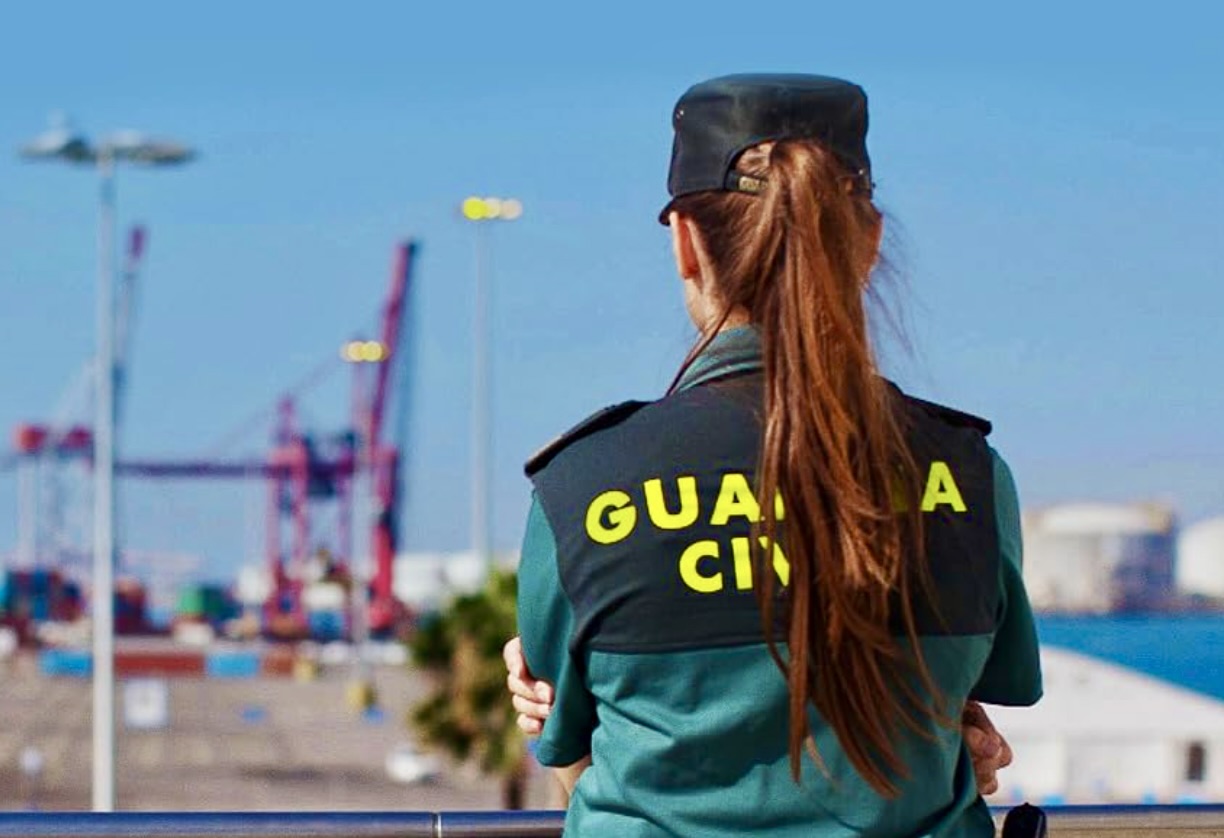
MADRID (Realist English). The conflict between Spain and Italy over the migrant crisis in Ceuta has entered a new phase. On 7 August, the Spanish government announced the temporary reinstatement of border controls on internal borders for travellers arriving from Italy.
The measures take effect at midnight on 8 August and will remain in place at least until 7 September.
Madrid took this step after Rome refused to lift its own restrictions, imposed on 1 August in response to the mass breach of migrants into the Spanish enclave of Ceuta.
Chronology of the conflict: from Ceuta to mutual checks
It all began in late July, when an estimated 72,000–80,000 migrants entered Spanish Ceuta – an enclave on Morocco’s coast. Most subsequently returned to Morocco voluntarily, but 3,000–5,000 people remain in the enclave, creating a severe humanitarian situation.
On 31 July, Italian Prime Minister Giorgia Meloni announced the introduction of border controls for arrivals from Spain. Rome suspended the Schengen Agreement with respect to third‑country nationals entering from Spain, citing the need to prevent migrants from moving from Ceuta to Italian territory.
Spain called Italy’s actions “unjustified, discriminatory and contrary to the interests of the European Union.” On 7 August, Madrid issued an ultimatum: Rome must lift its restrictions by 9 August, otherwise Spain would be forced to take “proportionate measures to protect the interests and dignity of its citizens.”
Italy refused. Rome said it “does not accept ultimatums or external pressure” on matters of national security and confirmed its intention to maintain controls until at least 15 August, as Italian authorities expect a new wave of migration to Spain by that date. At the same time, the Italian side stressed that the checks do not apply to citizens of Spain or other EU countries.
Schengen under pressure: political stakes
The conflict between the two Mediterranean countries has exposed deep divisions in Europe’s migration policy. On one side is Italian Prime Minister Giorgia Meloni, a consistent advocate of tightening immigration controls. On the other is Spanish Prime Minister Pedro Sánchez, who favours a more liberal approach and recently launched a large‑scale programme to legalise irregular migrants.
“Italy has recorded the highest number of irregular crossings in recent years – twice as many as Spain,” Madrid countered.
Italy’s decision was supported by Finland and Denmark, while the Czech prime minister called for Spain’s temporary suspension from the Schengen Area. However, as the BBC notes, a full rupture of Schengen has not yet occurred, and both countries are trying to minimise inconvenience for legal travellers.
Causes: court ruling and disinformation
Experts link the migration surge to a ruling by Spain’s Supreme Court, which held that migrants intercepted at sea while trying to reach Ceuta cannot be immediately returned to Morocco.
EU Migration Commissioner Magnus Brunner suggested that criminal networks spreading disinformation played a key role in organising the mass exodus. Morocco, for its part, blamed the crisis on the court ruling: “The deterrent element of the system collapsed, and the dam broke not under the weight of criminals, but under a judge’s ruling.”
Border checks between Spain and Italy create a precedent that threatens the principles of the Schengen Area. Spanish measures will remain in place until 7 September, Italian controls until at least 15 August.
The “ultimatums” and mutual accusations between two major EU countries call into question European solidarity on migration issues. The question is whether Brussels can mediate this dispute – or whether the Schengen Agreement, the cornerstone of European integration, will continue to crack under the pressure of migration crises and the political ambitions of national leaders.