WASHINGTON (Realist English). Farmers in America’s “Corn Belt” say they are facing the worst crisis in 40 years. The explosive rise in diesel and fertiliser prices, triggered by Donald Trump’s military campaign against Iran, is pushing grain producers to the brink of bankruptcy.
The Middle East conflict, now in its sixth month, is painfully echoing across the American heartland just months before the midterm elections that will determine control of Congress.
“Input costs have completely spiralled out of control,” says Matt Bailey, who grows corn and soybeans in eastern Nebraska. He notes that the complex phosphorus fertiliser 11‑52‑0, which cost $470 a tonne a decade ago, now exceeds $900. “Where do you even start? How do you budget for that?” the farmer asks rhetorically.
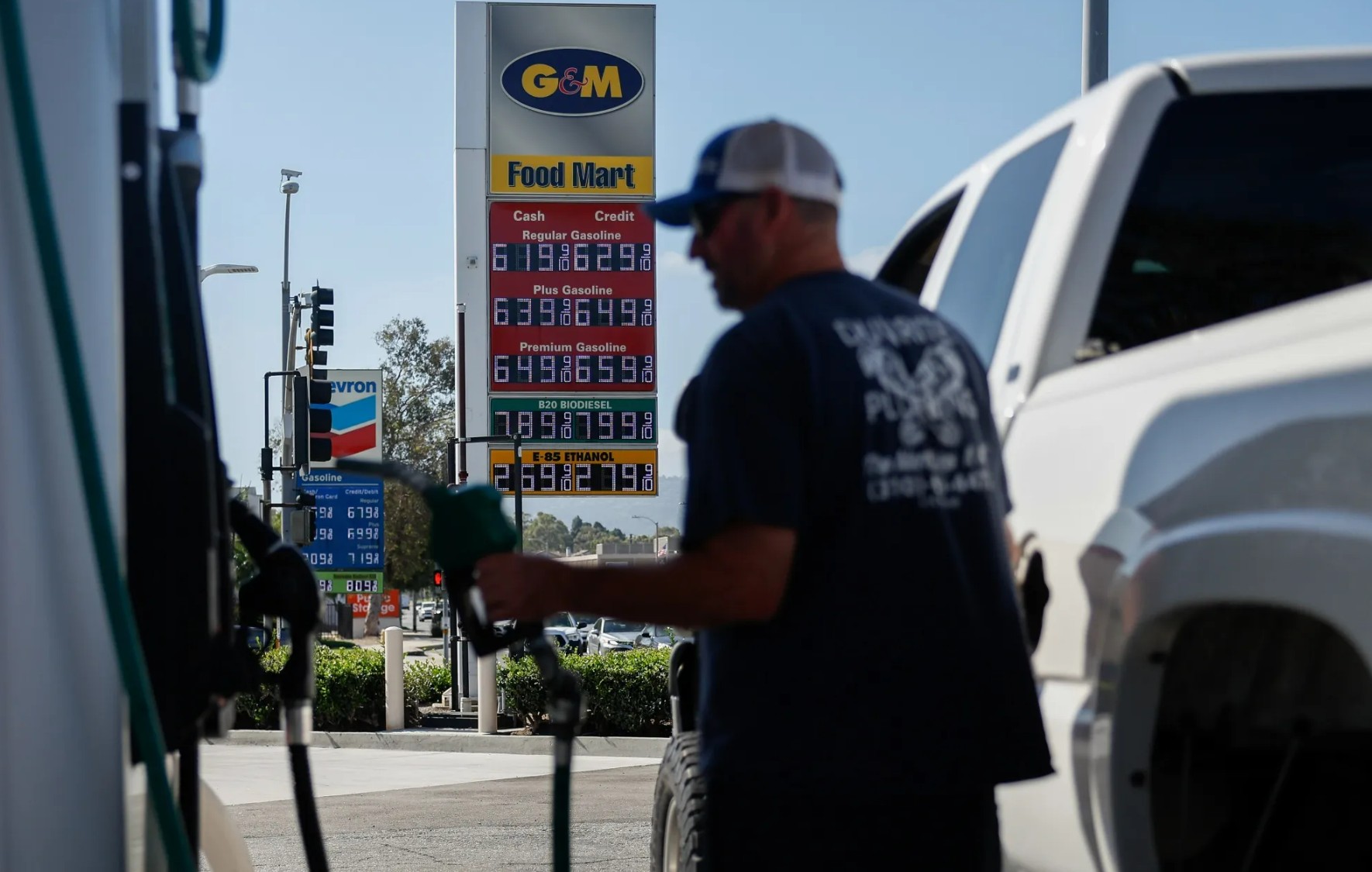
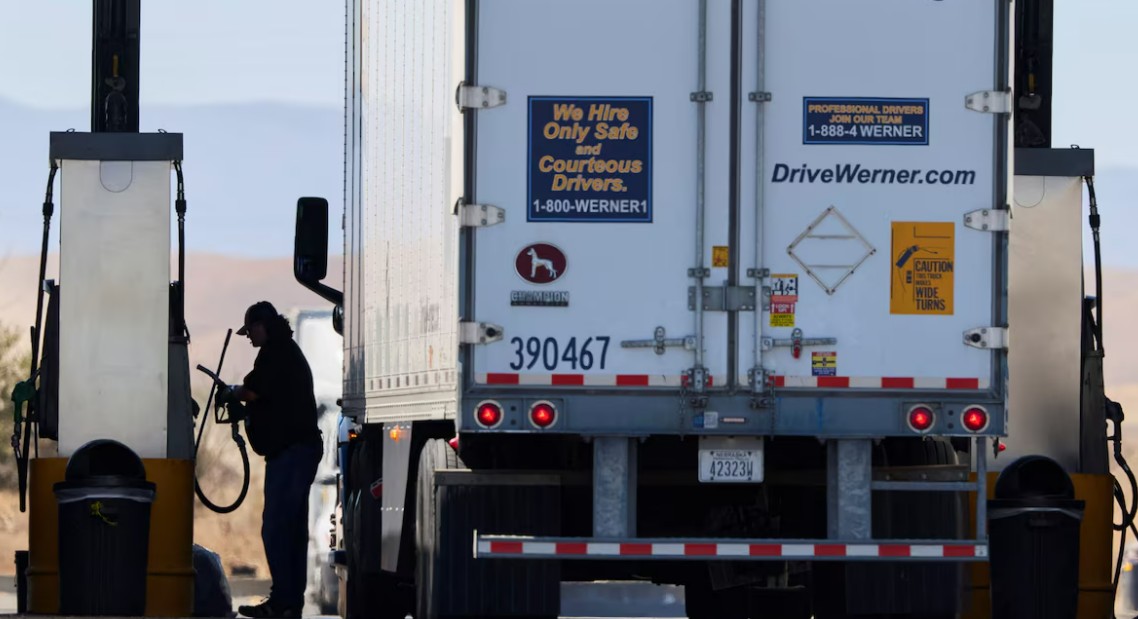
Diesel prices: records and extra billions
The closure of the Strait of Hormuz — a key route for global energy shipments — has sent diesel prices soaring. In May 2026, at the height of spring fieldwork, diesel prices in Midwestern states hit historic highs:
| State | Diesel price (May 2026), $/gallon |
| Wisconsin | 5.87 |
| Indiana | 6.17 |
| Illinois | 6.14 |
Source: AAA data
The national average diesel price has risen more than 40% since the start of the conflict. According to a report by the US Congress Joint Economic Committee, American farmers spent $1.4 billion more** on diesel fuel during the spring planting season than a year earlier — a 63% increase. The average farmer overpaid up to $1,500 just to fill one fuel tank on their operation.
At the same time, crude oil prices have risen about 30% since late February. Analysts at Benchmark note: before the war, fuel costs accounted for 3–4% of a farmer’s total per‑acre costs (roughly $16–23). At current prices, that share could rise to 5–6%, or $20–30 per acre.
Fertilisers: shortages, price spikes and forced crop switching
The Strait of Hormuz is a conduit for roughly one‑third of global seaborne fertiliser trade. Since the war began, fertiliser prices have skyrocketed: at the New Orleans import hub, the cost per tonne of fertiliser jumped from $516 to $683.
According to the American Farm Bureau Federation (AFBF), 70% of US farmers cannot afford the fertiliser they need. About 15% of US fertiliser imports come from the Middle East, and roughly half of global supplies of the key component — urea — come from the region, as do 30% of ammonia supplies. Qatar Energy was forced to halt production at the world’s largest urea plant. As a result, the US market faced a urea shortfall of about one‑quarter of normal volumes.
Farmers are being forced to change their cropping patterns. According to a US Department of Agriculture survey, planted acreage for corn and wheat will shrink by millions of acres in 2026. The wheat harvest is expected to be the smallest since 1919. Farmers are switching to soybeans, which require less nitrogen fertiliser, but this choice carries its own risks: no one knows for sure whether China will continue buying US soybeans amid Trump’s trade war.
Financial collapse: $63 billion in losses over two years
According to an AFBF study, without government assistance, farmers growing nine major crops (including corn) will lose $31 billion in 2026 and $32 billion in 2027.
AFBF economist Faith Parum provides the following calculations:
| Crop | Loss per acre, 2026 | Loss per acre, 2027 |
| Corn | 131 $ | 167 $ |
| Soybeans | 80 $ | 138 $ |
She says 2027 will mark the sixth consecutive year of negative profitability for most major field crops in the US. “We are paying 2026 input prices but getting grain prices from the 1970s and 80s,” one farmer complains.
In the first quarter of 2026, 86 US farms have already filed for Chapter 12 bankruptcy.
Political subtext: the Republican “iron” base is cracking
The economic pressure in agricultural states is directly translating into political instability just two months before the midterms.
A Financial Times poll found that more than 53% of registered voters said their financial situation had worsened since Trump returned to the White House in January 2025.
Among farmers, the situation is even more alarming: 39% of farmers are considering abandoning support for Republicans in the midterms. According to an NPR poll, nearly 40% of farmers are ready to switch party affiliation or not vote at all in November.
Three out of four farmers cite rising operating costs as their top problem. Meanwhile, 94% of Iowa farmers surveyed said the Iran war had raised fertiliser and energy prices, hurting their business.
Republican Senator Thom Tillis admitted this week: “There are 71 days left until the midterms, and right now we have no positive message for rural voters — and we haven’t had one since ‘Liberation Day’ last year.”
Trump promised farmers in June: “We will never let you down.” His administration requested an $11 billion emergency aid package for farmers.
However, agricultural organisations consider this “a drop in the bucket.” The administration’s inconsistency is making matters worse: last week, Trump angered ranchers by announcing a 90‑day tariff exemption on imports of up to 300,000 tonnes of beef — a move some ranchers called “a betrayal.”
A war that cannot be sold to the farm community
Midwest farmers have become hostages to three crises at once: the Iran war has dumped higher fuel and fertiliser costs on them, the trade war with China has undermined export markets, and drought on the Great Plains has compounded an already dire situation. All this is happening against the backdrop of last year’s record harvest, which never brought farmers any profit.
Questions remain far more numerous than answers. Can the $11 billion aid package stop the wave of bankruptcies? Will Republicans be able to hold onto rural districts that have been their reliable stronghold for decades? And most importantly — does the White House realise that the Persian Gulf war is hitting not only Tehran but also its own voters in the American heartland?
For now, the Trump administration continues to double down on “economic D‑Day” against Iran, which could drag on into the final weeks of the campaign, while Midwest farmers count their losses. And these calculations may well become the deciding factor in the November election outcome.
As The Hill notes, farmers “are struggling under President Trump because of his tariffs and rising costs exacerbated by the Iran war, testing a key Republican voting bloc.”
The open question remains: how many more American farmers will go bankrupt before Washington realises that a war in the Middle East also carries a price tag in the American heartland?