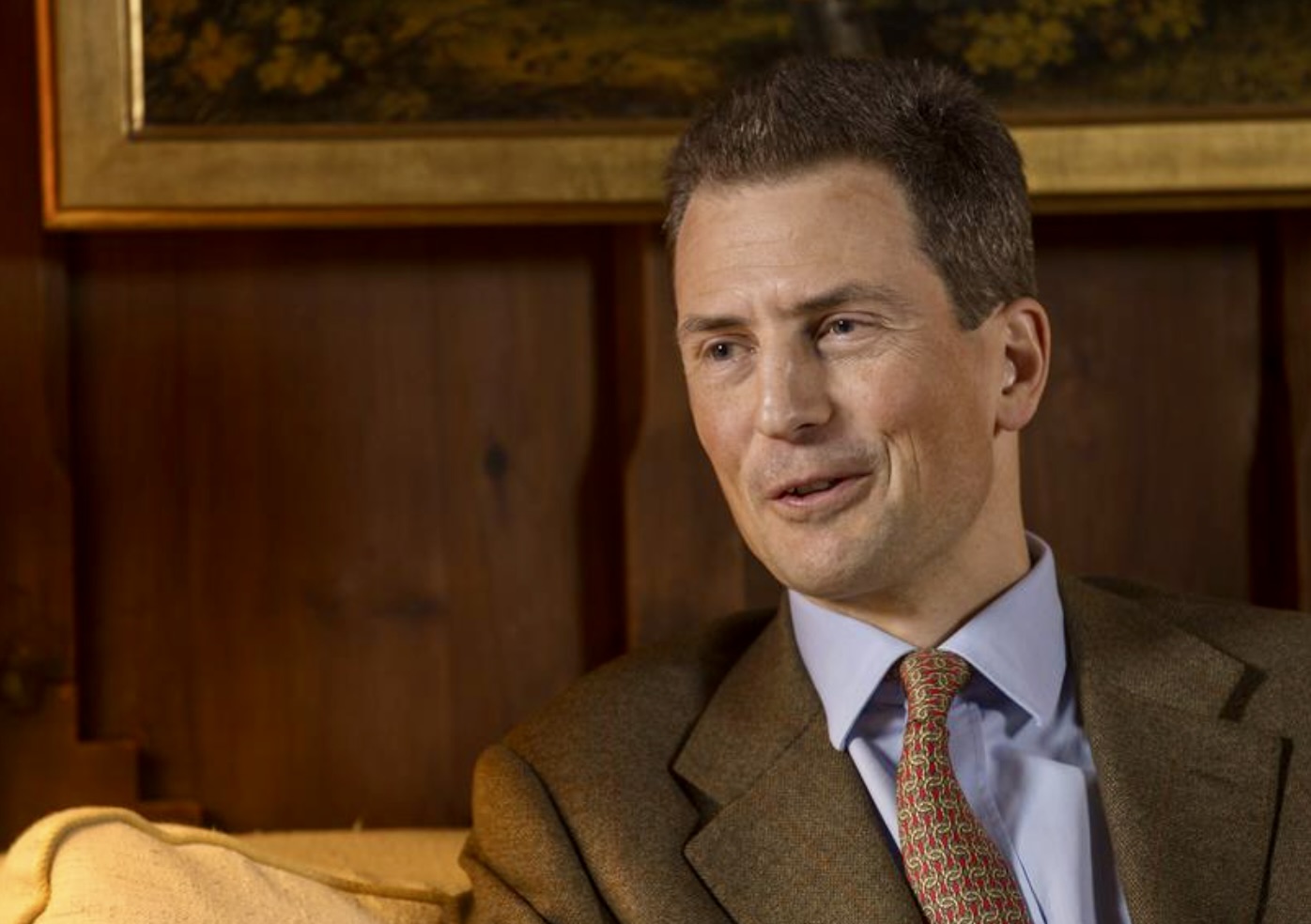
VADUZ (Realist English). On August 15, 2026, Liechtenstein’s National Day, Hereditary Prince Alois announced a historic change to the rules of succession. The Princely House abolished its exclusively male order of succession, moving from male primogeniture to absolute primogeniture. Now the firstborn child, regardless of gender, may ascend the princely throne.
However, as specified in the Princely House’s statement, the changes apply exclusively to future descendants of the children of Hereditary Prince Alois and his wife Sophie.
Already‑born members of the dynasty, including the prince’s 29‑year‑old daughter Princess Marie Caroline, will not be eligible for the throne. The presumptive heir remains their eldest son, 31‑year‑old Prince Josef Wenzel.
Expanding Women’s Rights in the Dynasty – and the Political Context
Beyond the change in succession, the updated house law granted all women descended from the princely family equal rights in managing dynastic affairs. As Hereditary Prince Alois stated: “With this change to the law, we want to ensure that both the Principality of Liechtenstein and the Princely House are led by the person best prepared for this task.”
The rule change was approved by the required two‑thirds majority of eligible family members. Notably, as recently as 2019, Alois had opposed female succession. According to him, the changes had been “discussed within the family for decades.”
The decision came at a politically sensitive moment: at the end of July, a popular initiative was submitted in Liechtenstein, signed by a quarter of all voters, demanding the legalisation of abortion during the first twelve weeks of pregnancy. The Hereditary Prince had previously stated his intention to veto the initiative should it pass. Activists have expressed concern that the succession reform could be used to justify a veto.
A Monarchy with Unprecedented Powers
Liechtenstein, a wealthy Alpine principality with a population of approximately 40,000, has one of the most powerful monarchies in Europe. The reigning prince holds the authority to veto referendum results, appoint judges and dismiss the government.
In 2004, then‑Prince Hans‑Adam II transferred most of his powers to his eldest son Alois. Since then, Alois, now 58, has effectively governed the principality. In 2012, 76% of Liechtenstein’s residents voted in a referendum to preserve the Hereditary Prince’s right to veto decisions of national votes.
Equality for Future Generations
The Princely House of Liechtenstein’s decision to change the succession order was a historic step: the principality became the last European monarchy to allow women to inherit the throne. Liechtenstein was also the last country in Europe to grant women suffrage – only in 1984.
However, the reform is purely symbolic for the current generation. As observers note, “the unequal status of women and men will persist for another two generations.” Hereditary Prince Alois, wielding near‑absolute power, simultaneously expands women’s rights within the dynasty while retaining the ability to block political initiatives concerning women’s rights in the country. As Professor Patricia Schiess warns, the succession reform may well be used to justify a veto on the abortion legalisation initiative.
Genuine Progress or Tactical Manoeuvre?
The question remains open: is the succession reform a genuine step toward gender equality, or is it a tactical manoeuvre allowing the Princely House to strengthen its position amid growing public pressure?
For now, Liechtenstein has taken a symbolic step toward modernity – but the real test of the prince’s commitment to equality will not come for another generation. Meanwhile, the abortion initiative looms, and the prince’s veto power remains intact. The tension between dynastic reform and political reality may yet define the legacy of Prince Alois’s reign.