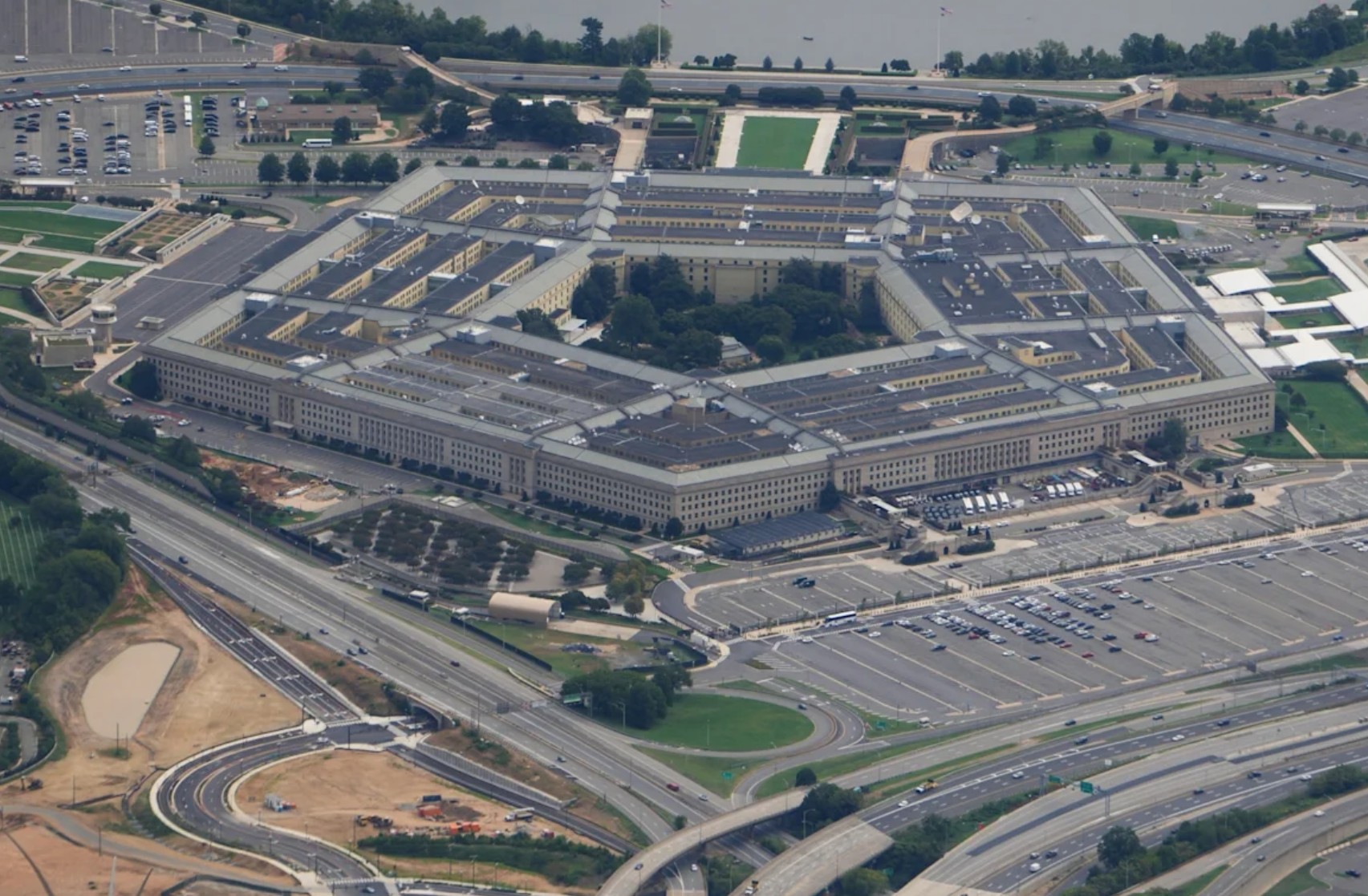
WASHINGTON (Realist English). The Pentagon is accelerating a sweeping review of US military presence in Europe — by November 6, Defence Secretary Pete Hegseth will be presented with at least four options for troop redeployment.
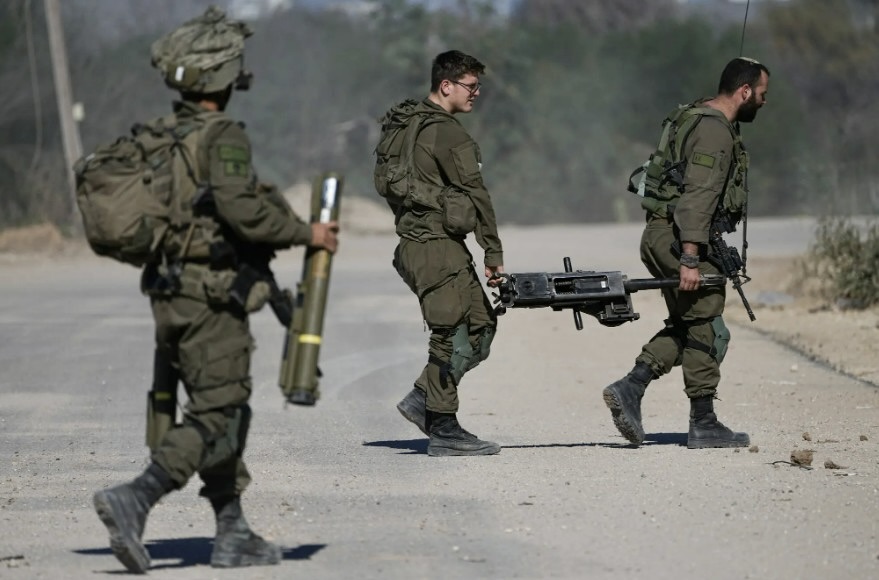
The review, first initiated in June, threatens major cuts to the roughly 80,000‑strong US contingent in Europe and will serve as a tool of pressure on NATO allies whom Washington accuses of insufficient support for the war against Iran.
Classified Document Reveals Review Details
Reuters has obtained the “Terms of Reference” document, which for the first time discloses the internal review announced by Hegseth in June. According to the document, the process will involve several key stages with tight deadlines:
| Stage | Deadline | Participants |
| Decisive briefing | September 18 | US European Command commander + Pentagon policy chief Elbridge Colby |
| NATO consultations | August 28 | Colby with NATO ambassadors in Brussels |
| Presentation of options | November 6 | To Defence Secretary Pete Hegseth |
| Review completion | December | Final conclusions |
Notably, November 6 is only an “interim deadline” — final results are expected in December.
Four Scenarios for the European Contingent
The review is intended to create a “spectrum of options” — ranging from maintaining current force levels to complete withdrawal. Criteria for evaluating NATO allies include:
- ABO (Access, Basing, Overflight) — access to bases, basing rights and overflight permissions
- Space, cyber and intelligence architectures
- Infrastructure supporting global US power projection
A Pentagon spokesperson confirmed that a “spectrum of options will be developed in detail” so that the “pros and cons of different force levels and dispositions” can be discussed.
Washington’s Three Motives
The review is driven by at least three interconnected motives:
- Pressure on NATO allies. Hegseth has already accused some partners of “freeloading,” and the review itself is designed to “ensure that access, basing and overflight are clearly defined.” The review should “move NATO toward a model where allies take the lead in their own defence.”
- Punishment for insufficient support of the Iran war. The Trump administration is unhappy that some European allies did not adequately support the US‑Israeli campaign against Iran. Complaints include denial of base access and overflight rights for US military aircraft.
- Reprioritisation of global posture. The war in Iran and a global shift in priorities are forcing Washington to reassess its force architecture worldwide. As a Pentagon spokesperson put it, the administration is moving “toward providing critical but more limited support, with allies playing the leading role.”
Allied Reaction: Skepticism and Fear
European officials fear that a decision to reduce forces has already been made and the review is merely a formality. NATO Secretary‑General Mark Rutte expressed some understanding of Trump’s frustration but noted that the “overwhelming majority of Europeans have been useful.”
Sources indicate that the review could lead to major cuts in the US presence in Europe and “punish” those countries that Trump believes did not support the Iran war.
A Review That Reshapes NATO’s Rules of the Game
The Pentagon review is not a technical procedure but a political signal. The accelerated timeline (interim results by November 6) and the public disclosure of the Terms of Reference demonstrate Washington’s seriousness of intent.
Significantly, the document for the first time systematises criteria for evaluating allies — from base access to space and cyber capabilities. This turns the review from a military‑planning exercise into a mechanism of political leverage: those who fail to meet the new standards risk losing US military presence.
European allies face a dilemma: increase their own defence spending and take on more commitments — or watch as the US scales back the 80,000‑strong contingent that has been the continent’s main security guarantor for decades.
Leverage or Rupture?
Open questions remain. Which of the four scenarios will be presented to Hegseth, and which will he choose? Will European diplomats succeed in convincing Washington of their usefulness before the November deadline? And will this review become a prelude to a broader restructuring of US military presence worldwide — against the backdrop of the Iran war and a new round of global confrontation?
The answers to these questions will be determined not only in the corridors of the Pentagon, but also in Brussels, where consultations are due to begin in the coming days — consultations that could reshape the balance of power within the North Atlantic Alliance for years to come.