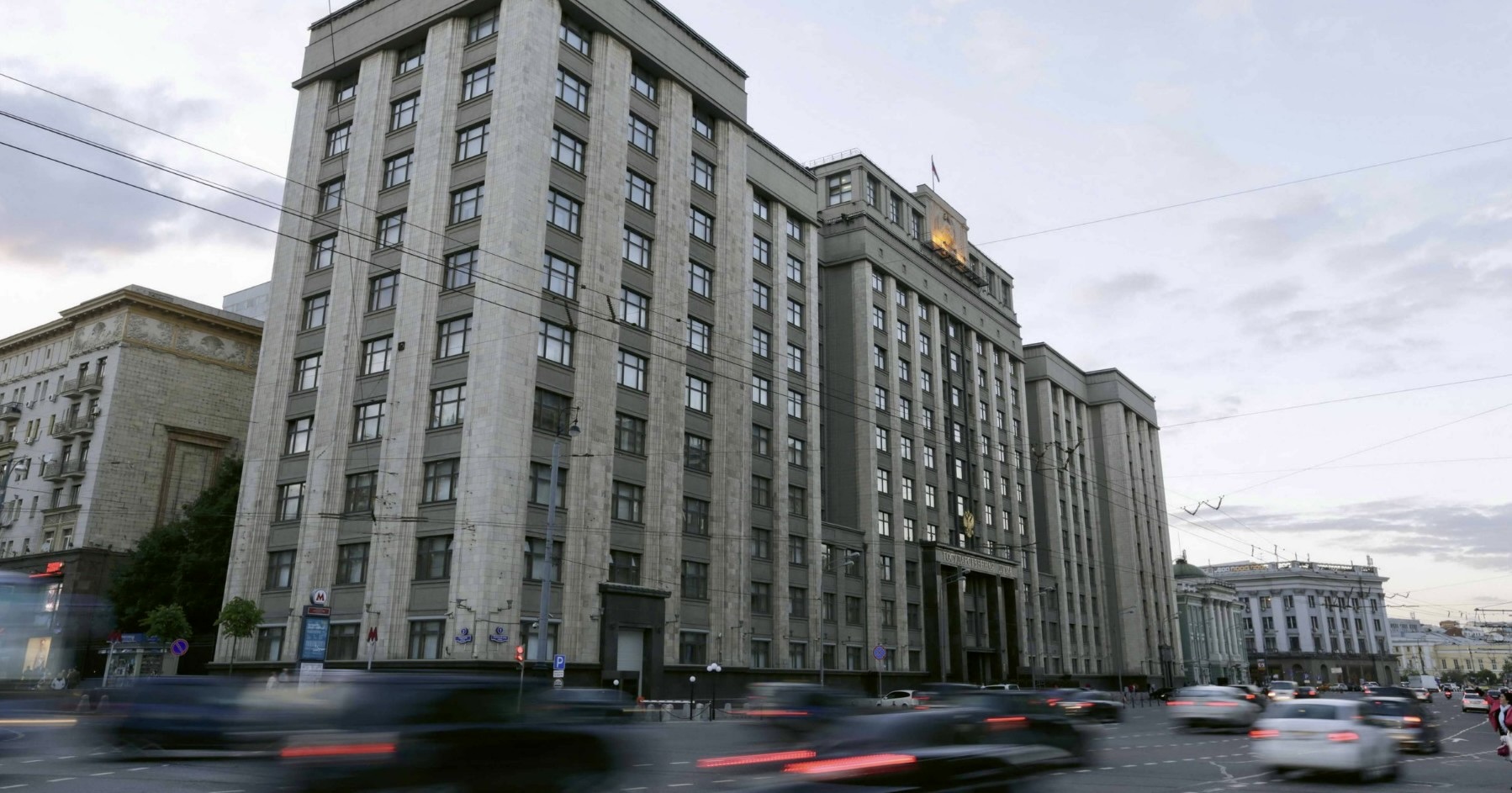
MOSCOW (Realist English). The Central Election Commission of Russia is completing preparations for the Single Voting Day, which this year will stretch over three days — from September 18 to 20.
The main event will be the elections to the State Duma, although regional and municipal campaigns will also take place in most federal subjects in parallel.
Key Dates and Voting Formats
The Single Voting Day is officially set for September 20, but by decision of the CEC, voting will be held over three days: September 18, 19 and 20. Polling stations will be open from 08:00 to 20:00 local time.
In total, the 2026 campaign will include more than 2,200 elections of various levels and will fill 20,700 deputy seats and elected offices.
| Election Level | Number of Regions |
| State Duma elections | All regions of the Russian Federation |
| Direct gubernatorial elections | 8 federal subjects |
| Voting through parliament | 3 federal subjects |
| Regional legislative assemblies | 39 federal subjects |
| Municipal elections in capitals | 10 federal subjects |
State Duma Elections: Mixed System and New Districts
The election of deputies to the State Duma of the IX convocation was scheduled by Presidential Decree No. 428 of June 16, 2026. A total of 450 deputies will be elected for a five-year term — the new convocation will serve until 2031.
A mixed electoral system is being used:
- 225 deputies are elected by party lists in a single federal district. To enter the Duma, parties must overcome the 5% threshold.
- 225 deputies are elected in single-mandate districts. The winner is the candidate who receives a simple majority of votes.
An important innovation: for the first time, new regions are participating in federal elections — the Donetsk People’s Republic (3 districts), the Lugansk People’s Republic (2 districts), and the Zaporozhye and Kherson regions (one district each). Several regions received additional districts: Moscow — 16 instead of 15, Moscow Region — 12 instead of 11, Krasnodar Krai — 9 instead of 8.
Participants: Ten Parties
Ten parties registered by the Central Election Commission are contesting the State Duma elections:
- United Russia
- CPRF (Communist Party of the Russian Federation)
- LDPR (Liberal Democratic Party of Russia)
- A Just Russia
- New People
- Party of Direct Democracy (PDD)
- The Greens (Russian Ecological Party)
- Party of Pensioners
- Communists of Russia
- Rodina
The Yabloko party was excluded from the federal list on the basis of a court decision following a lawsuit by the Rodina party and is participating only in single-mandate districts.
Forecasts and Expectations
Several weeks before the vote, leading sociological centres presented electoral forecasts.
VCIOM (poll August 31 – September 6, sample of 1,600 respondents):
| Party | Forecast |
| United Russia | 51–53% |
| CPRF | 13–15% |
| New People | 9–11% |
| LDPR | 9–11% |
| A Just Russia | 4–6% (risk zone) |
| Non-parliamentary parties | 2–5% |
Projected turnout — 51–53%. 70% of Russians said they were ready to participate in voting, of whom 54% said they would definitely come to the polls.
FOM gives similar estimates: United Russia — 47–49%, CPRF — 14–17%, LDPR — 10–12%, New People — 8–9%, A Just Russia — 6–7%.
According to experts, the main intrigue will unfold over third place between LDPR and New People.
Voting Methods
Voters have three main ways to participate in the elections:
1. Voting at a polling station
The traditional format using paper ballots or electronic voting terminals.
2. Remote Electronic Voting (DEG)
Available to residents of 33 regions of Russia. A verified account on the Gosuslugi portal is required. Applications to participate in DEG had to be submitted no later than September 14.
Testing of the federal DEG platform took place on September 9–10. The “DEG — 2026” application is available in RuStore.
3. Voting at home
For voters who, for valid reasons (illness, disability, caring for a sick relative), cannot come to the polling station. An application must be submitted through the precinct commission, by phone, or online via Gosuslugi.
An Ambivalent Outcome: Stability Amid External Pressure
The 2026 elections are taking place amid the ongoing special military operation, unprecedented sanctions pressure and attempts at external interference in the electoral process.
According to VCIOM, 54% of Russians said they definitely plan to participate in the elections — higher than the figure five years ago (52%), which, according to sociologists, indicates “stability of the political system and Russians’ demand for stability.”
Experts note a consolidation effect around the authorities amid external pressure. “Everything we have observed in recent years — the economic situation, sanctions, information attacks — all of this works in favour of the strong,” said Alexei Chesnakov, scientific director of the Centre for Political Conjuncture.
What Next
CEC Chairwoman Ella Pamfilova will deliver a report on the readiness of the electoral system on September 17. The CEC Information Centre will also begin work on that day. The final commission meeting before the start of voting is scheduled for September 15.
Voting will take place on September 18–20. After polling stations close, the CEC will begin publishing preliminary results.