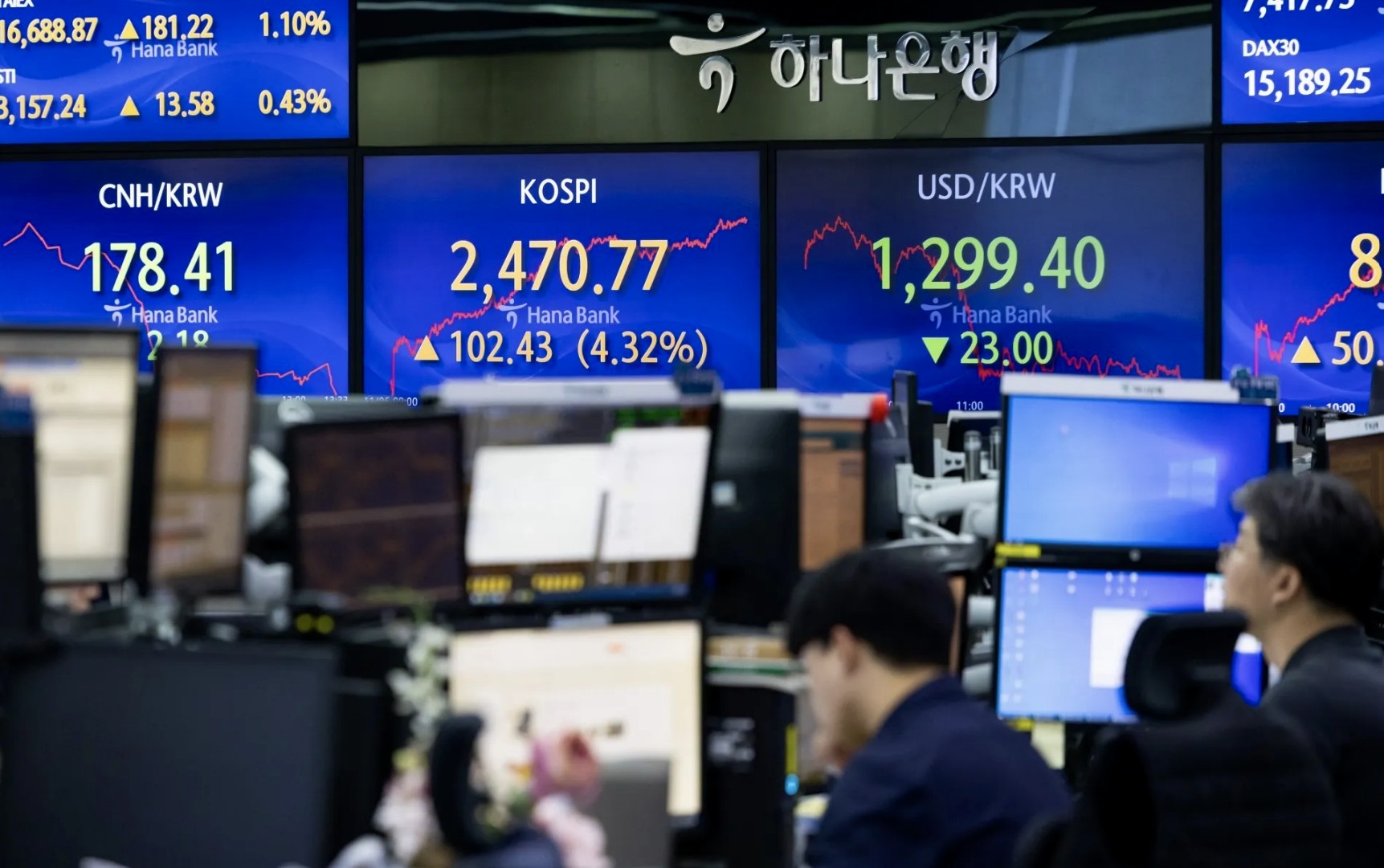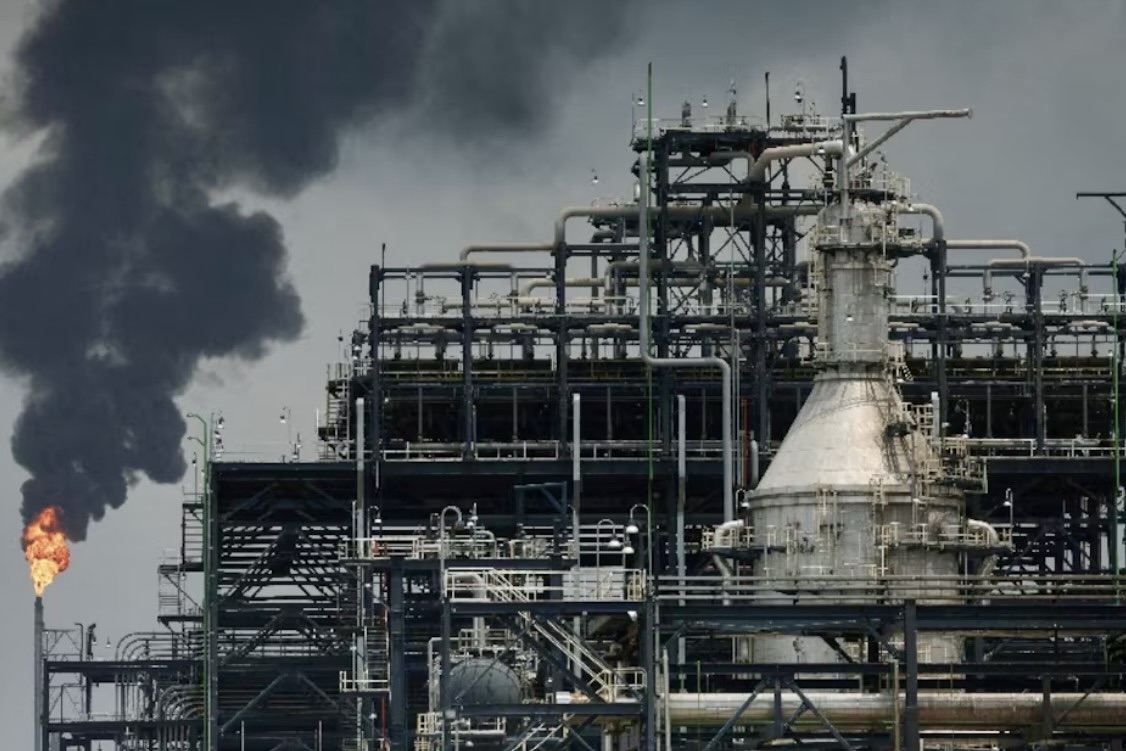
LAGOS (Realist English). On September 14, President of Dangote Industries Aliko Dangote struck the gong at the Nigerian Exchange (NGX), officially opening the initial public offering of Dangote Petroleum Refinery & Petrochemicals. This is the first refinery listing on the Nigerian stock market in the exchange’s 66-year history and the largest public share sale in Africa.
Offering Parameters
According to the prospectus, the company is offering 4.1 billion ordinary shares at 525 naira ($0.40) each, seeking to raise about 2.15 trillion naira ($1.6 billion). Subscription is open from September 14 to October 13, 2026.
| Parameter | Value |
| Offering volume | 4.1 billion shares |
| Price per share | 525 naira ($0.40) |
| Target amount | 2.15 trillion naira ($1.6 billion) |
| Minimum subscription | 10 shares (5,250 naira / ~$4) |
| Subscription period | September 14 – October 13, 2026 |
| Listing | Main board of NGX, expected in November |
Retail investors can submit applications through electronic platforms, including NGX Invest, banking apps (Access Bank, Ecobank, Fidelity, FirstBank) and fintech platforms (Bamboo, PiggyVest, Cowrywise). A bank verification number (BVN) is required to apply, but a brokerage account is not mandatory — a temporary registration number will allow shares to be “reserved” until formalization.
“IPO for the People”
Dangote positions the offering as an opportunity for ordinary Nigerians to become co-owners of the country’s largest industrial asset. “We are not just investing in a story, we are not investing in a dream — that dream is already past, we are approaching reality,” he said at the opening ceremony.
The entry threshold of 10 shares (about $4) makes the offering accessible to broad segments of the population. Lagos State Governor Babajide Sanwo-Olu called the event “market creation” and “opening opportunities for everyone,” while the Ooni of Ife illustrated accessibility with examples: a pepper seller can finish her workday, pick up her phone and buy Dangote shares.
Demand turned out to be high: Nigerian investment platform Bamboo reported access difficulties due to “traffic higher than expected when trying to enter the Dangote IPO.”
Scale of the Plant and Financial Indicators
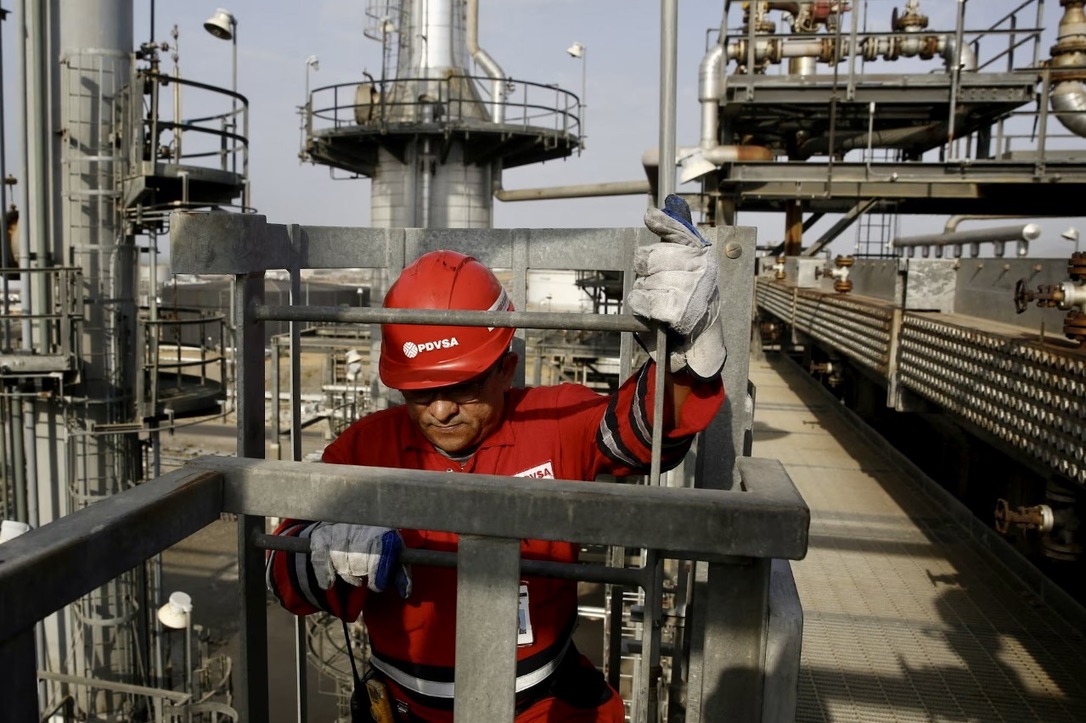
The refinery, built on the outskirts of Lagos with initial investments of about $19–20 billion, began operations in 2024. Its current capacity is 700,000 barrels per day, making it the world’s largest single-train refinery and Africa’s largest processing complex.
The company plans to increase capacity to 1.4 million barrels per day by 2029, which, according to representatives, will make it the world’s largest refinery, surpassing India’s Jamnagar.
Financial results have improved sharply: according to the prospectus, net profit after tax for the first half of 2026 was $1.82 billion, against a loss of $476 million for all of 2025. This turnaround became possible due to the plant reaching full capacity and rising global oil prices after the start of the US–Iran war.
The plant has turned Nigeria from an importer of petroleum products into an exporter, significantly reducing dependence on foreign refining. The company has also expanded supplies of aviation fuel to Europe and other African markets amid disruption of Middle Eastern supply chains.
Who Controls the Company
Despite the public offering, Dangote will retain overwhelming control over the plant. Analysis of the prospectus shows that his total beneficial stake through four corporate structures (DORCL, DIL, Greenview and Salamad Ventures) is 87.27% before the offering and will decline only to 84.34% after. At the same time, the base IPO represents only 3.3% of the enlarged capital of the company.
The Pan-African Refinery Investment SPV (registered in Mauritius) has committed to subscribe for shares worth up to $400 million, which is about 25.34% of the IPO volume. Thus, the real free public float will be only about 2.4–2.5% of the enlarged capital.
Valuation and Skepticism
The indicative valuation of the plant is about $49 billion — more than twice the construction cost. Analysts note that this significantly exceeds traditional industry multiples for refineries ($15,000–30,000 per barrel of daily capacity).
Supporters point to vertical integration, regional monopoly and promised dividends in dollars; skeptics warn that the operational complexity of achieving full stable performance leaves little room for error.
“I personally believe the valuation is inflated,” said Chris Chijioke, a Lagos businessman planning to buy 2,000 shares. He noted that if the capacity doubling plans face delays, the current price will lose its justification.
Control Risks analyst Joachim MacEbong pointed to structural criticism: “This is not what you can call a people’s offering if you still own 87% of the plant, and there are many ways in which this narrative breaks down.”
Significance for the Market
Dangote’s offering could radically change the Nigerian Exchange. As of September 11, NGX capitalization was $118.66 billion. The plant’s valuation of $49 billion will add more than 40% to the exchange’s total capitalization, potentially raising it above $167 billion. Analysts estimate that after listing the plant could account for about a quarter of NGX’s entire capitalization, becoming the exchange’s largest company and significantly outpacing current leaders — Airtel Africa and MTN Nigeria.
The success of the offering will also be a test of African markets’ ability to finance projects of this scale through domestic savings. In the first half of 2026, Nigerian investors provided 89% of participation on NGX. However, the offering requires “fresh money”: before the IPO, selling on the exchange collapsed NGX capitalization by 1.9 trillion naira ($1.43 billion) in two days as investors mobilized cash.