ABU DHABI (Realist English). The UAE government is seeking, through diplomatic channels, the removal of the country from travel warning lists.
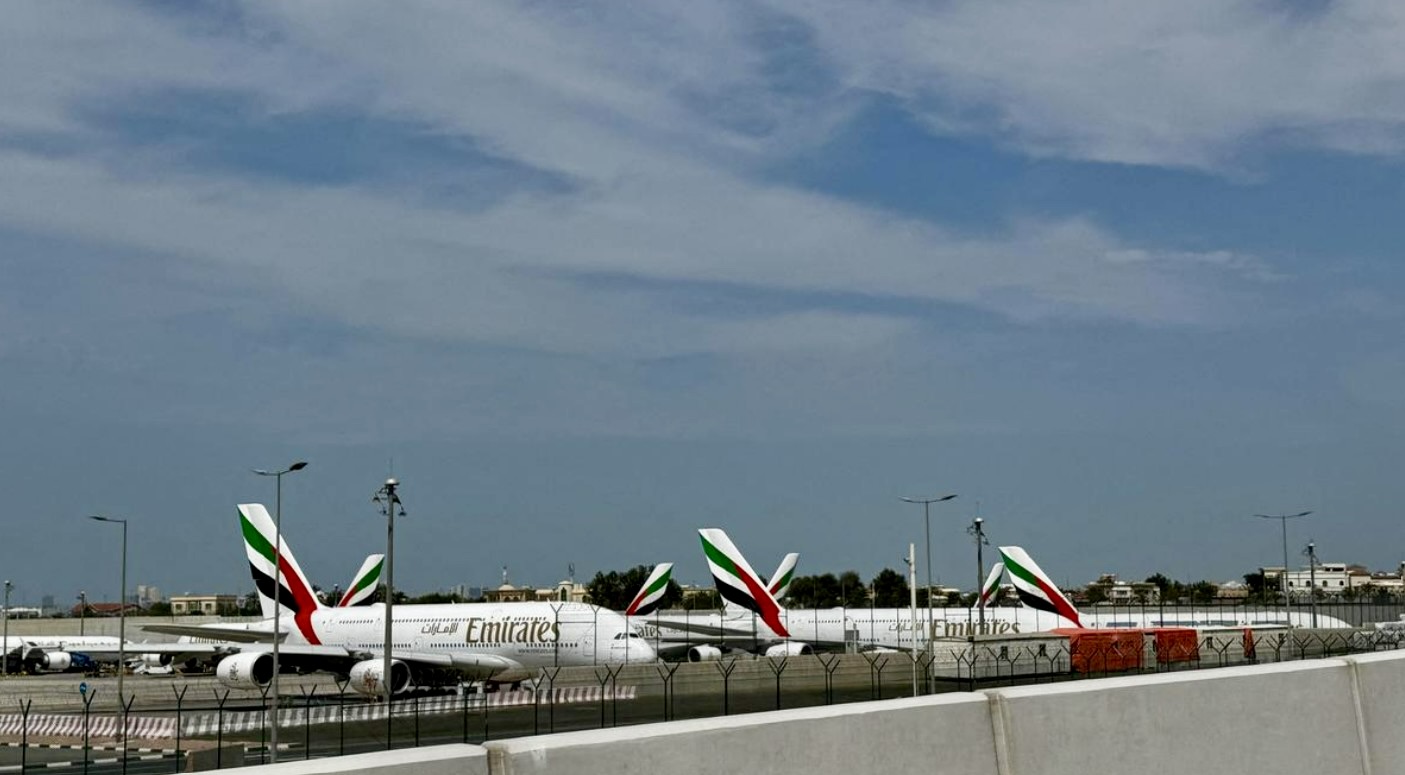
Earlier, after the start of the military conflict between the US and Iran on February 28, a number of countries issued top-level warnings for the UAE, which led to a sharp drop in passenger traffic at the two largest aviation hubs — Dubai and Abu Dhabi — and dealt a serious blow to the tourism industry.
A Number of Countries Are Gradually Easing Restrictions
After the signing of the US-Iran ceasefire agreement in June, some countries began to ease restrictions on travel to the UAE. The UK Foreign, Commonwealth and Development Office (FCDO) on June 18 lifted the “avoid all but essential travel” warning for the UAE, which covered Dubai, Abu Dhabi and the northern emirates.
Australia on the same day lowered its recommendation for the UAE from “do not travel” to “reconsider your need to travel.”
The German Foreign Ministry also in early May lifted top-level warnings for the UAE, Saudi Arabia, Oman, Qatar, Bahrain and Jordan, but continued to “strongly advise” against travel to these countries, citing that “the regional security situation remains extremely unstable and new escalation is not excluded.”
British tourism expert Simon Calder, after the FCDO adjusted its recommendations, said: “Travel insurance is valid again, and anyone planning a trip to the UAE or Qatar can set off with a certain confidence.”
He also noted that British Airways and Virgin Atlantic have not yet restored flights to the region: Virgin has suspended flights until winter 2027, and British Airways plans to resume them in October.
The US Maintains Its Warning
Despite other countries easing restrictions, the US still maintains a Level 3 warning for the UAE (reconsider travel). The US Embassy in the UAE, in an updated message on August 29, classified the risks under the categories “terrorism and armed conflict.”
The message notes that since the start of the US-Iran conflict, the UAE continues to face the threat of drone and missile strikes from Iran, and “the Iranian regime openly states its intention to attack US-related facilities in the UAE.” The US Federal Aviation Administration (FAA) has also issued a warning about flights in the Persian Gulf zone.
In a July security warning, the US Embassy additionally stated that the embassy and consulates are in a state of “ordered departure,” non-emergency US government personnel have been relocated outside the UAE, and non-emergency visa services have been suspended.
UAE Strategy
The UAE’s strategy focuses on reducing tensions through diplomatic channels and simultaneously restoring its financial and business reputation based on international recognition. In August 2026, the Financial Action Task Force (FATF) removed the UAE from its “grey list,” recognizing “significant progress” in combating money laundering and terrorist financing. The European Union in the same period removed the UAE from its “high-risk” list for money laundering.
This international recognition provided the UAE with important reputational support, allowing it, in promoting the lifting of travel warnings, to cite “institutional improvements” as an argument.
The logic of the UAE’s strategy is to demonstrate compliance with financial supervision and security cooperation requirements in order to convince other governments that there are no factual grounds for keeping the UAE on warning lists.
Consequences of the Conflict for the UAE
After US and Israeli strikes on Iran on February 28, Tehran launched missile and drone strikes on a number of Gulf countries, and operations at Dubai and Abu Dhabi airports were temporarily interrupted. The UK FCDO immediately issued an “avoid all but essential travel” warning, as a result of which British tourists transiting through Dubai could not obtain valid travel insurance.
The UAE is an important destination for British tourists: last year alone, 1.4 million British travelers visited Dubai.
During the period the warning was in effect, British travel agencies were prohibited from selling transit flights through Dubai, Abu Dhabi and Doha, which gave Asian airlines an advantage in the form of premium fares.