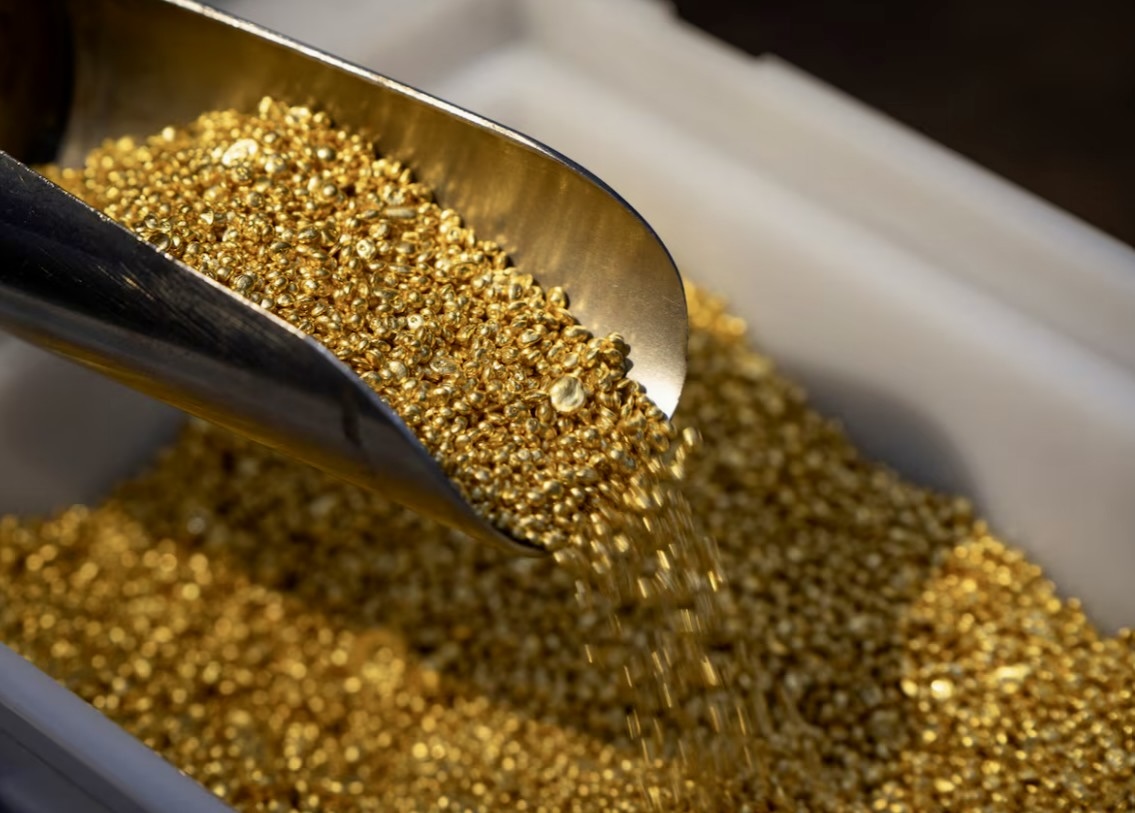
NEW YORK (Realist English). Gold started the week with a sharp decline, continuing its third consecutive weekly losing streak. The spot price of the yellow metal fell 1.8%, reaching its lowest level since the beginning of August, while December futures lost about 1%.
What Crushed Gold: Three Blows at Once
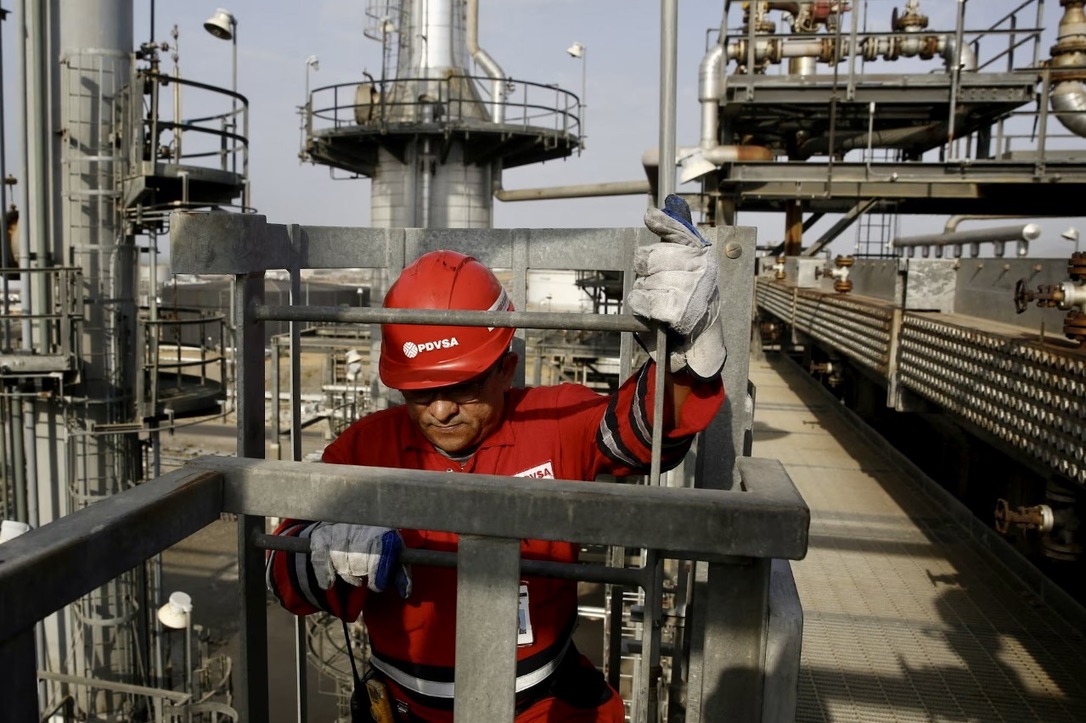
Oil rally. Brent prices rose by more than 4% after new strikes on Saudi Arabia’s energy infrastructure and Iranian attacks on vessels in the Persian Gulf. The rise in oil prices strengthened inflation expectations and reinforced the market’s confidence in the need for tighter monetary policy.
US inflation. Consumer price data for August showed a 0.4% month-on-month increase after 0.1% in July. Core inflation showed its largest rise in four months. This forced the market to revise its expectations for the Fed rate.
Strong dollar. The US dollar rose to a two-week high, making gold more expensive for holders of other currencies and increasing pressure on the metal.
Market Prices In Rate Hike
According to CME FedWatch data, the probability of a 25 basis point Fed rate hike at the September 15–16 meeting is estimated at 89%, whereas before the release of inflation data it was about 67%.
The Bank of Japan is also expected to raise rates on September 18 amid persistent inflation and rising energy prices. Rising rates traditionally reduce the appeal of gold, which does not generate interest income, even despite its status as an inflation hedge.
“Gold is not finding conditions it likes. Rising energy prices plus expectations of rate hikes ahead of the Fed and Bank of Japan meetings create a clear headwind for the metal,” said Tim Waterer, chief market analyst at KCM Trade.
Technical Picture: Risk of a Breakdown
Analysts at Investing.com note that gold remains under pressure within a downward channel, having broken through key moving averages and the July–September uptrend. Holding above $4,300 may limit weakness, but a decisive break below the monthly low around $4,282 could open the path to $4,145 and then to $4,000.
For recovery, gold needs to return above the cluster of the 20- and 200-period moving averages around $4,370, which coincides with the upper boundary of the channel.
Forecasts: Short-Term Pressure vs Long-Term Optimism
Goldman Sachs maintains its forecast of gold reaching $4,900 per ounce by the end of 2026, although it expects continued high volatility.
RBC Capital Markets forecasts gold returning to levels above $5,000 per ounce, linking this to “uncertainty, de-dollarization and fears about currency debasement.” According to strategist Christopher Louney, gold will trade in the $4,500–5,000 range for the remainder of the year.
Analysts at Metals Focus note that despite the pressure of high prices on jewelry demand, the fundamental support factors for gold remain solid: central bank purchases, concerns about the sustainability of sovereign debt, and reserve diversification.