RIYADH (Realist English). Saudi Arabia’s East–West oil pipeline has been halted for several days after a drone attack. Repairs are estimated to take from three to five weeks and could put about 4% of global oil supplies at risk. This pipeline is the only main route allowing Saudi Arabia to bypass the Strait of Hormuz and maintain oil exports.
Pipeline Halt: Saudi Arabia Faces the “Worst-Case Scenario”
The East–West oil pipeline, about 1,200 kilometers long, connects fields in eastern Saudi Arabia with the port of Yanbu on the Red Sea coast. Its maximum capacity reaches 7 million barrels per day.
Since February, when the US–Iran conflict disrupted shipping through the Strait of Hormuz, Saudi Arabia redirected about 4 million barrels per day through this pipeline — roughly 4% of global supplies.
The drone attack on September 11 disabled the pipeline. The Saudi government blamed “Iran-backed Iraqi militias.”
Two regional officials briefed on the situation said repairs to damaged pumping stations and other equipment would take from three to five weeks; one added that the pipeline could partially resume operation during repairs.
Crude oil inventories at the port of Yanbu are currently capable of sustaining exports for only 5–7 days.
Yanbu’s storage facilities are designed for approximately 35 million barrels; the Egyptian ports of Ain Sukhna on the Red Sea and Sidi Kerir on the Mediterranean can store about 18 million and 20 million barrels respectively. However, according to four Reuters sources, these inventories are not filled to maximum and will eventually be depleted if the pipeline does not resume operation.
The International Energy Agency stated on September 11 that Saudi oil supplies in August fell to their lowest level in more than 30 years.
According to data provided by Saudi Arabia to OPEC, oil production in August was only 6.2 million barrels per day, versus 10.9 million before the conflict began in February. The IEA forecasts a decline in global oil supply this year by 5.7 million barrels per day, or about 6%.
Double Pressure: Hormuz and the Red Sea Simultaneously
Pressure on Saudi Arabia is coming from two directions. In the north, the Strait of Hormuz has remained constrained since the conflict began in February: oil flow through the strait fell from about 22 million barrels per day before the war to 6–9 million barrels per day.
In the south, Yemen’s Houthis captured the port of Mokha at the entrance to the Red Sea on September 11, further strengthening their ability to attack vessels passing through the Bab el-Mandeb Strait.
Earlier, the Houthis declared a blockade of shipping in the Red Sea, attacked two Saudi tankers in July, and forced Saudi Aramco to shut down the Jizan refinery on the Red Sea coast.
As noted in an analysis presented by Jane’s Defence: Saudi Arabia’s previous resilience relied on an unhindered export corridor through the Red Sea. Once the Red Sea route is also constrained, export flows through the Suez–Mediterranean pipeline and the Suez Canal are practically unable to replace the volumes that went through Bab el-Mandeb since March.
Jane’s estimates that in a scenario of simultaneous restriction of the Red Sea and the Strait of Hormuz, Saudi government revenues in 2026 could fall by $48.8–51.3 billion, i.e., by 16–17% compared to 2025.
Strategic Blow: The US “Cold Shoulder”
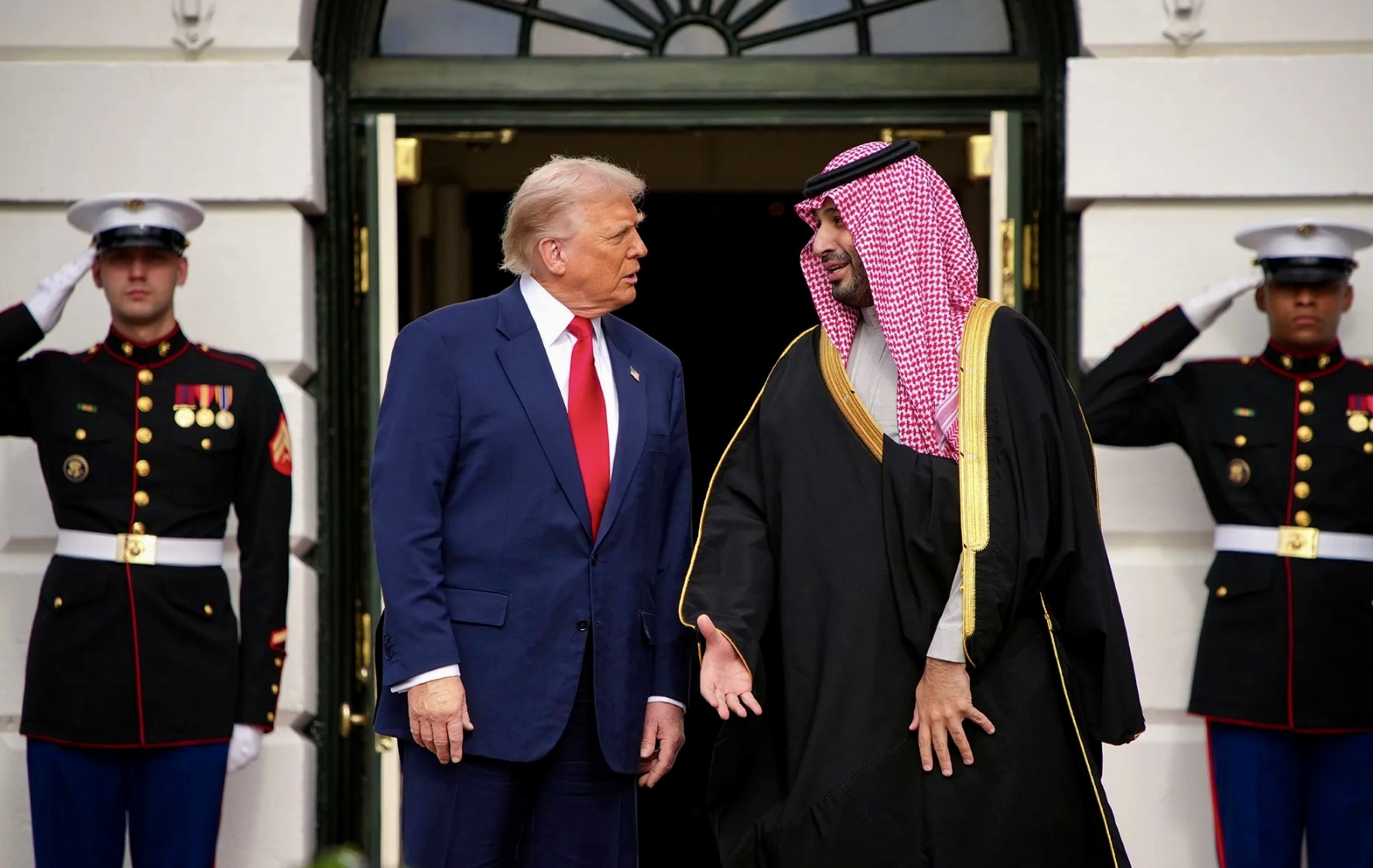
According to reports by The New York Times, Financial Times and other outlets, Saudi Crown Prince Mohammed bin Salman twice called US President Donald Trump on Thursday, September 10, requesting airstrikes on the Houthis, but was refused.
Trump, while on a visit to Ireland, told journalists: “The Houthis don’t want to fight us. Only one country is unhappy — Saudi Arabia.”
This response deeply disappointed the Saudi leadership. One former US diplomat characterized the Saudi mood as “bewilderment,” saying: “Saudi Arabia invested such enormous resources in the US–Saudi security partnership precisely in order to cope with desperate moments like the current one.”
The publication notes that the Saudi government invested billions of dollars and significant political capital in establishing personal relations with Trump and his family, but at the moment of crisis did not receive immediate military support.
Daniel Shapiro, who served as an official for Middle East policy at the Pentagon under the Biden administration, said: “It is not surprising that the US, already mired in an endless conflict with Iran, with an overstretched fleet and depleting ammunition stocks, does not want to open a new front, but this deeply disappointed the Saudis.”
Barbara Leaf, former Assistant Secretary of State for Near Eastern Affairs, analyzed that Saudi Arabia would likely turn to diplomacy or cooperation with neighbors and Iran to negotiate a “not-too-honorable arrangement” to end the war with Iran. However, she notes that no matter how disappointed Saudi Arabia is, it is unlikely to publicly complain about the US.