HOUSTON (Realist English). On September 14–16, a Venezuelan delegation is participating in the G20 energy conference in Houston, Texas, at the invitation of the Trump administration.
The meeting is taking place amid sharp turbulence in global fuel markets due to the US–Iran war: Europe is struggling to replenish gas stocks for winter, and diesel prices in the US have jumped to a historic high of $6.2 per gallon.
US Secretary of the Interior Doug Burgum said in an interview with Fox Business that the meeting brings together representatives of G20 countries, as well as Venezuela. “The point is that the geopolitical center of oil is leaving the Middle East — we have many questions about the interference in the Middle East — and moving to the Western Hemisphere,” Burgum said.
Participants: G20 Countries and Venezuela
The meeting in Houston is being held from September 14 to 16. It is attended by representatives of the world’s leading economies, including China, India, Japan and Germany, as well as major oil producers — Canada and Saudi Arabia.
From the Venezuelan side, Oil Minister Paula Enao and Vice President of the state oil company PDVSA Giovanni Martinez are expected to participate — in bilateral meetings and industry events, but not in closed ministerial sessions. On the US side, besides Burgum, Energy Secretary Chris Wright will be present.
Russian Finance Minister Anton Siluanov is also expected to attend. European allies of Ukraine expressed disappointment at Russia’s invitation, considering it contrary to efforts to isolate Moscow over the war with Ukraine.
Background: A “Historic Turn” in US–Venezuelan Oil Relations
Venezuela’s participation took place less than a month after the signing of a controversial oil agreement between the US and Venezuela. On August 28, the Trump administration announced that an agreement had been reached under which the US received majority control over 65 billion barrels of Venezuela’s proven oil reserves.
The specific terms include: a 35% US stake in North American Blue Energy Partners and the right to buy 20% of production from the relevant Venezuelan fields at cost.
On September 2, US Energy Secretary Wright personally visited Caracas, where he witnessed the Venezuelan side signing a number of agreements with Chevron and Italian Eni.
Chevron announced its intention to invest more than $7 billion over five years through the joint venture Petroindependencia to develop the Carabobo 1 and Carabobo-2-South fields in the Orinoco Heavy Oil Belt, intending to more than double production — to about 600,000 barrels per day.
Eni signed a 25-year contract with PDVSA for the Junín 5 field, becoming its sole operator. The estimated certified geological reserves of the field are 35 billion barrels.
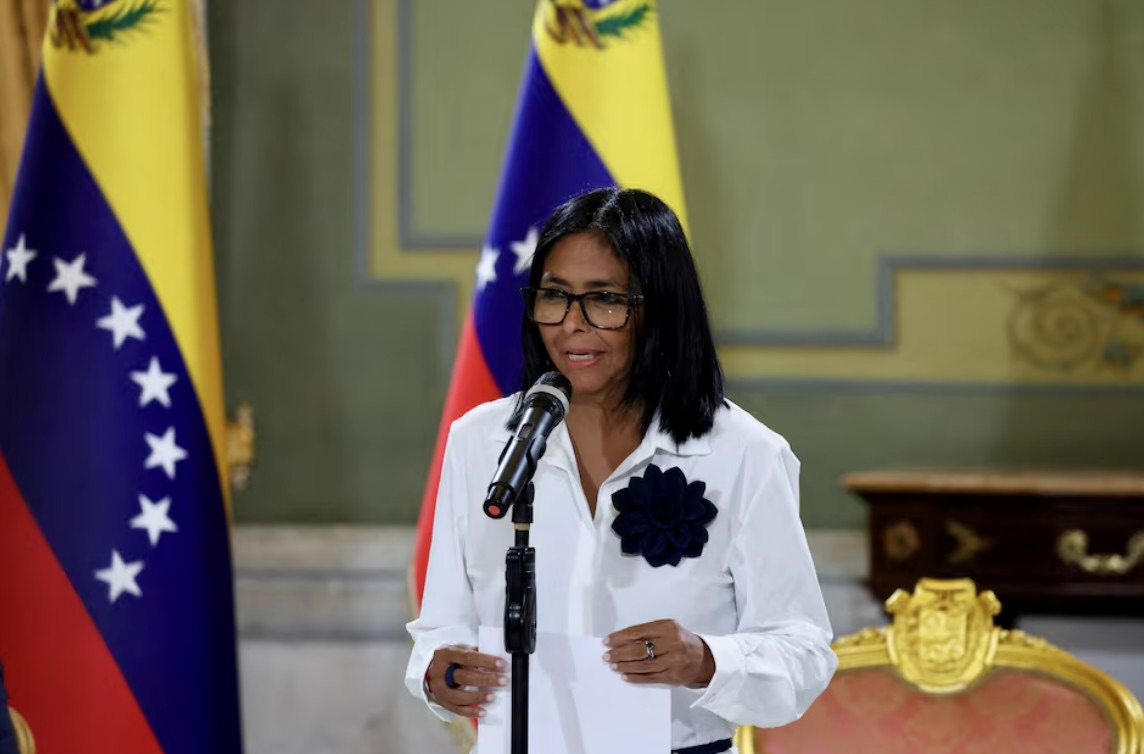
Acting President of Venezuela Delcy Rodríguez said she expects this “big agreement” to benefit the American people as well, and called Caracas “increasingly valuing channels of political and diplomatic dialogue with the US every day.”
Oil Production in Venezuela: Recovery, but Still Limited
Oil production in Venezuela continues to recover after the easing of sanctions and the arrival of foreign capital. Oil Minister Enao announced in June that production had exceeded 1.2 million barrels per day, and exports had reached 1.25 million barrels per day — the third consecutive month of growth. The largest destination was the US — 558,000 barrels per day, followed by India (427,000) and Europe (169,000).
PDVSA President Héctor Obregón said the company’s goal is more than 1.5 million barrels per day by 2027 through a new participation framework releasing private capital.
However, analysts assess cautiously Venezuela’s ability to quickly fill the Middle East deficit. Director of the energy program at the Baker Institute at Rice University, Francisco Monaldi, noted that Venezuelan oil in 2026 can provide only 0.2% of world supplies — versus 10% affected by the blockade of the Strait of Hormuz. In July, exports fell to 856,000 barrels per day — a five-month low — due to the depletion of accumulated inventories and floating storage.
Chevron CEO Mike Wirth also acknowledged that increasing production is a “long-term” solution requiring time, engineering resources and supply chains: “Raising production by 300,000 barrels per day is a significant figure, but growth takes time.”
Political Background: Midterm Elections and the Diesel Crisis
The G20 energy meeting is taking place amid serious domestic political pressure on the Trump administration. The US–Iran war has lasted more than six months, and US diesel prices have reached a historic high. According to the American Automobile Association, the average diesel price is $6.2 per gallon.
Analysts note that the unpopular war and its economic consequences pose a serious challenge to the Republican Party in the November midterm elections.
Trump blames Iran for prolonging the conflict in order to politically harm him, while also accusing Ukrainian President Zelensky of worsening the diesel deficit with strikes on Russian refineries.
In an interview, Burgum directly contrasted the meeting’s agenda with the Biden period: “The discussion will focus on increasing production and refining, not on closing capacity, as was the case under Biden.”