LONDON (Realist English). On August 31, global markets came under pressure from two opposing forces: escalating US-Iran conflict pushed oil prices higher, while hawkish statements from new Federal Reserve Chairman Kevin Warsh heightened expectations of rate hikes, triggering mixed performance across equity markets.
Brent once again surpassed $90 per barrel, while Asian markets moved into negative territory and European markets closed mixed.
Oil Rises Amid Renewed Exchange of Strikes
On the morning of August 31, oil prices climbed after the US launched airstrikes on Iran’s Larak Island in the Strait of Hormuz, with Tehran responding with missile attacks on American bases in Jordan.
By 00:40 GMT, Brent rose 1.23% to $89.18 per barrel, while WTI gained 1.10% to $84.32. During trading, the rally intensified: Brent crossed $90, while WTI approached $85.50.
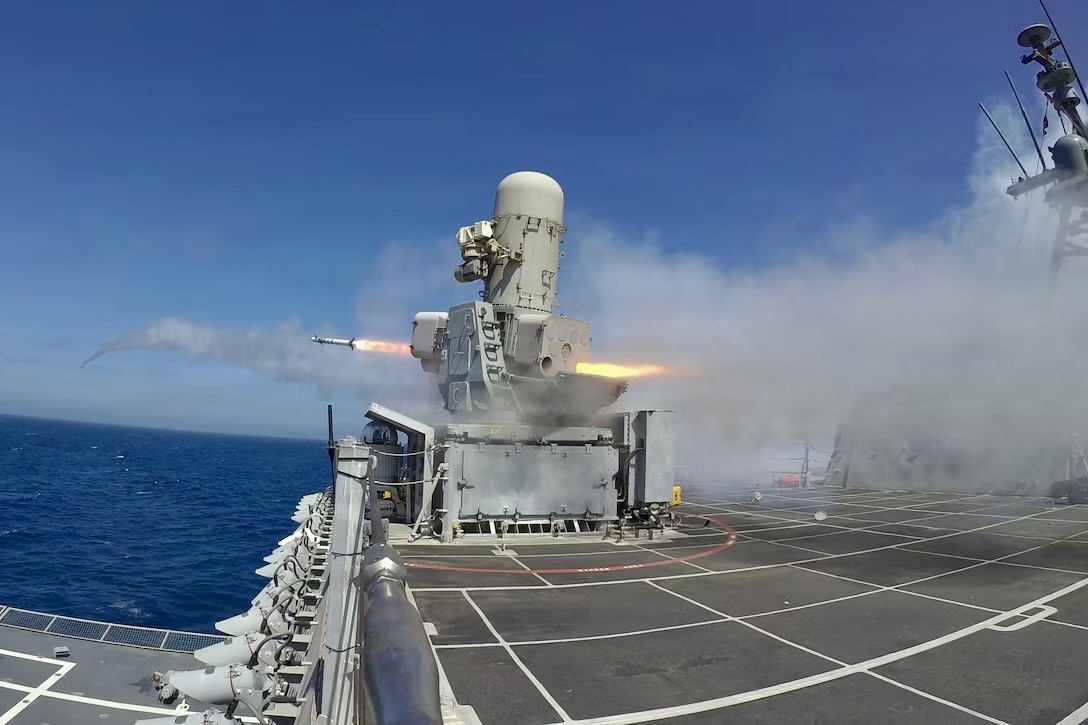
US forces struck two IRGC missile launchers on Larak Island — the first such strike since late July. According to CENTCOM, Iranian forces were preparing to lay naval mines in the strait. President Trump reaffirmed a policy of “absolute zero tolerance” for mining, stating that any vessel laying mines “will be immediately destroyed.”
Iran responded swiftly: the IRGC launched missile strikes on two US airbases in Jordan. According to US officials, the missiles were intercepted, with no casualties reported.
ANZ analysts warned that the escalation could reverse the recent recovery in tanker traffic through the strait. Over the weekend, only about five cargo vessels per day passed through the Strait of Hormuz. Before the war, one‑fifth of the world’s oil passed through the strait.
Equity Markets: Hawkish Warsh Weighs on Investors
Against the backdrop of the oil rally, equity markets showed mixed performance. The main pressure factor came from Federal Reserve Chairman Kevin Warsh’s remarks at the Jackson Hole symposium.
Warsh signalled his readiness to raise rates to combat inflation: “We must be confident that core inflation is moving toward our target clearly and at a sufficient pace. Otherwise, we have work to do.” He called inflation at 3.7% — nearly double the 2% target — “troubling.” The probability of a rate hike at the September meeting rose from 35% to 58%, with markets pricing in nearly a 50% chance of a hike.
On Friday, August 28, all three major Wall Street indices closed lower: the S&P 500 fell 0.2%, the Nasdaq dropped 0.7%. Nvidia shares fell 4.6%, while Marvell lost 10.3%. The 10‑year Treasury yield rose to 4.73%, and the dollar strengthened.
On Monday, Asian markets opened lower: the MSCI Asia Pacific fell 0.6%, while South Korea’s Kospi dropped more than 3%. However, by the close, performance became mixed: Tokyo, Hong Kong and Sydney closed in the red, while Seoul, Shanghai and Singapore ended in positive territory. Europe also showed mixed results: Paris rose, Frankfurt fell, and London was closed for a holiday.
Two Fronts of Pressure: Oil and Rates
On August 31, global markets found themselves caught between two fires. On one side — the escalation in the Strait of Hormuz, which pushed oil back above $90 and reminded markets of the fragility of global supply chains.
On the other — the hawkish rhetoric of the new Fed chair, who made clear he would not hesitate to raise rates to combat inflation, driven in part by high energy prices.
Notably, Warsh, speaking in Jackson Hole, emphasised: “I stand here today committed to discipline, not to a specific outcome.” That phrase left markets with more questions than answers.
Ahead lie key labour market data this week and the consumer price index next week. According to analysts, these will be the “decisive factors” for markets.
Markets Caught Between Geopolitics and Monetary Tightening
Open questions remain. How long will the new round of escalation in the Persian Gulf last, and will it lead to a full‑scale resumption of hostilities? Can the Fed tighten policy when the Iran war continues to push energy prices higher? And most importantly — how long can markets withstand this double pressure squeezing them from both sides?
For now, oil remains a hostage to geopolitics, while equities are hostage to monetary policy. The intersection of these two forces will determine the trajectory of global markets in the weeks ahead.