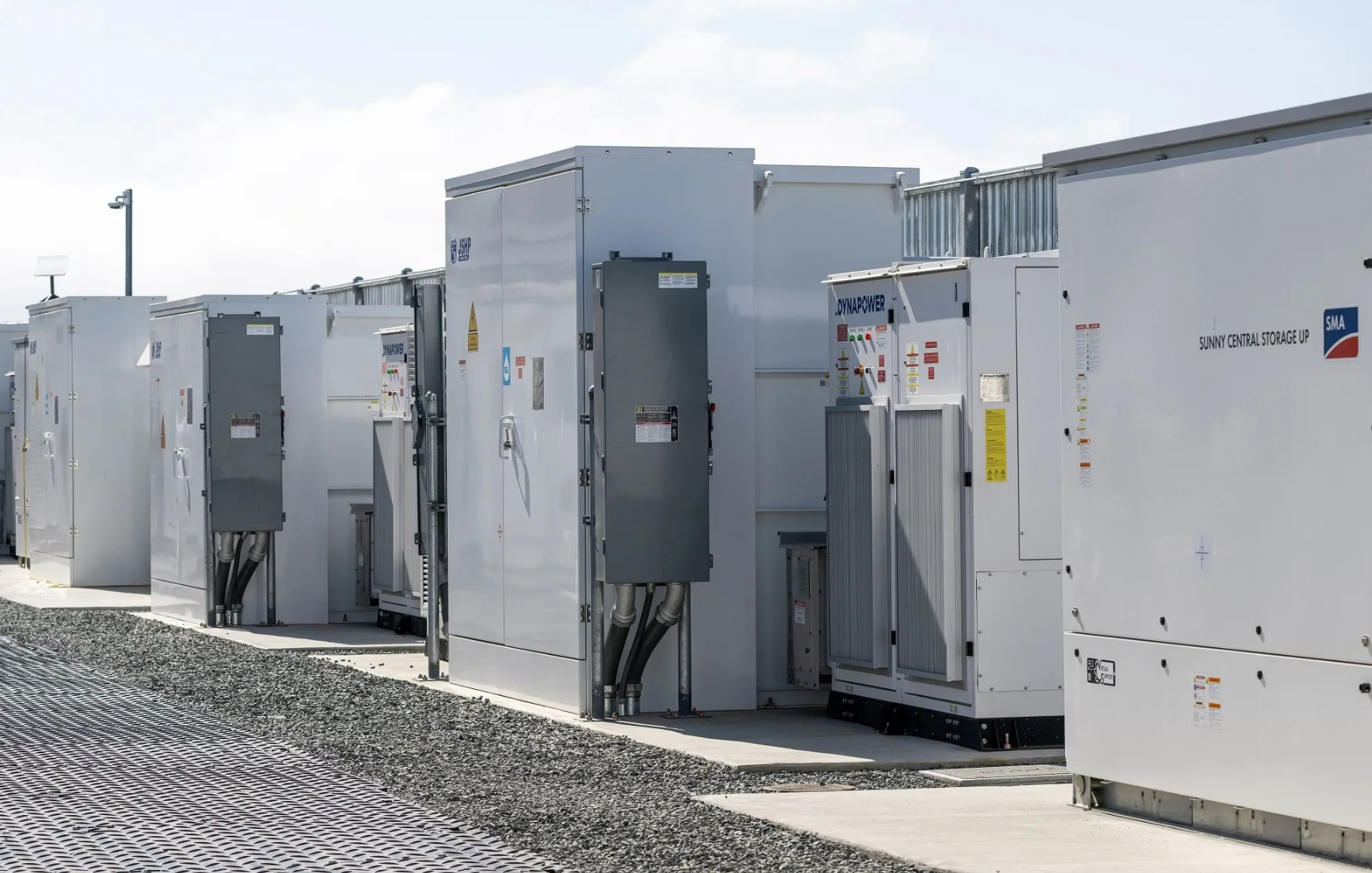
MOSCOW (Realist English) . Technology giants Meta and Google are increasingly investing in long-duration energy storage — a technology capable of accumulating electricity for many hours and even days.
This is fundamentally different from traditional industrial batteries, designed for 2–4 hours of charge and discharge. The new technology is critically important for AI data centres, which require continuous 24/7 operation.
What Is Long-Duration Energy Storage?
Long-duration storage technology is designed to solve the intermittency problem of renewable sources — solar and wind energy. The systems allow energy to be accumulated during peak generation periods and released during periods of decline or peak consumption, reducing dependence on fossil fuels.
This provides three key advantages for AI infrastructure: ensuring baseload generation when there is no wind or sun, reducing dependence on outdated power grids, and using cheap green energy at low tariffs.
Specific Projects
Crusoe and Redwood Materials. AI data centre developer Crusoe has expanded its partnership with Redwood Materials to deploy a microgrid system with a capacity of 12 MW / 63 MWh, using solar energy and retired electric vehicle batteries. Over seven months of continuous operation, the system achieved 99.2% availability.
Crusoe and Form Energy. The company has also signed an agreement with Form Energy to obtain multi-day energy storage systems with a volume of up to 12 GWh. Deliveries are expected to begin in 2027.
Google and Fervo Energy. Google has signed an agreement with Fervo for the purchase of electricity from enhanced geothermal systems with a capacity of 396 MW — the largest of its kind in the world. The agreement includes an option to expand to nearly 1 GW.
Market Trends
In 2026, several clean energy companies went public, including geothermal company Fervo Energy, and nuclear companies X-energy and Hadron Energy. A Nasdaq representative noted that the market’s focus has shifted from “energy transition” to “capacity, reliability, and scale.” Investors are showing keen interest in companies capable of demonstrating real assets, real output, and real infrastructure.
A Broader Energy Portfolio
In addition to long-duration storage, technology giants are building a diversified portfolio:
Geothermal energy. Meta has signed geothermal agreements with Sage Geosystems and XGS Energy with a total capacity of 300 MW.
Nuclear energy. Meta has concluded nuclear energy agreements totalling 6.6 GW; Google and Microsoft have also signed purchase agreements with nuclear companies.
Space-based solar energy. Meta has signed an agreement with Overview Energy to receive up to 1 GW of space-based solar power. Google is advancing its “Suncatcher Project,” planning to deploy AI data centres in space.