LONDON (Realist English). The international day of action organized by dockworkers’ unions will cover more than 100 ports in 20–22 countries, according to the Italian union Unione Sindacale di Base (USB). According to Shipping Telegraph, the strike is supported by more than 25 unions representing 113 ports in Europe, Asia, Africa, the Americas and Australia. The exact number of participants and the scale of disruptions are not yet known: the Genoa port authority expects a “limited impact,” while the port of Piraeus has warned of disruptions to ferry services with the Greek islands.
Who is participating and which ports are affected
The strike was initiated by dockworkers’ unions in Italy, France, Greece, the Spanish Basque Country, Turkey and Morocco. They were joined by ver.di (Germany), SIPTU (Ireland), 3F (Denmark), CGT Ports et Docks (France), as well as unions in Portugal, Sweden and Australia. In India, about a dozen ports may be affected, with actions supported by the Water Transport Workers Federation of India (WTWFI).
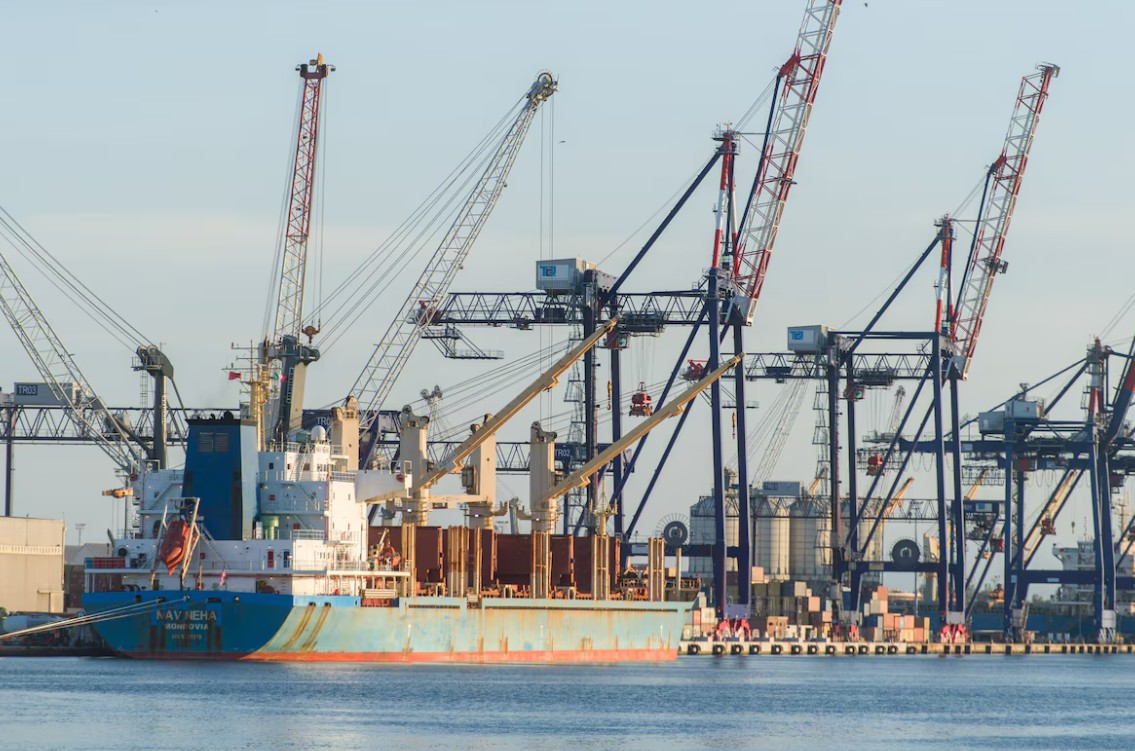
Key targets of the action include major logistics hubs: Hamburg, Valencia, Le Havre, Algeciras, Piraeus, Genoa, Morocco’s Tanger Med and India’s Nhava Sheva. In Italy, USB has announced a 24-hour general strike with protests in more than 40 cities. In Greece, ferries will remain in ports, and Piraeus dockworkers will stop work from 08:00 to 11:00 GMT.
Demands and reasons
The main demand is to prevent the use of civilian ports for transporting weapons, ammunition and military equipment to conflict zones. The unions also call for an immediate end to the “genocide of the Palestinian people” and recognition of an independent Palestine, as well as an end to the US and Israeli war with Iran. The slogan of the action is “Ports for peace — jobs with dignity.”
The strike is also linked to demands for higher wages, permanent employment, safe jobs and the right to collective bargaining. Unions express concern for the safety of seafarers in conflict areas. WTWFI representatives reported that about 15 Indian seafarers have died as a result of the US and Israeli war with Iran, and many others remain at sea.
This is the second major international dockworkers’ action this year: the first took place in February and covered 20 ports in seven Mediterranean countries. In May 2026, dockworkers’ unions from more than 35 European countries adopted the Istanbul Declaration demanding that port infrastructure not be used to transport weapons to combat zones. According to the Stockholm International Peace Research Institute (SIPRI), in 2021–2025 Europe became the world’s largest arms importer.
Assessments of consequences
Organizers claim the strike could disrupt more than 40% of cargo traffic in the Mediterranean and halt goods worth over $2 billion. According to estimates, even a one-day delay of vessels could lead to profit losses of $43 million. However, the practical significance of the action will depend on the number of participants, which terminals suspend operations, and whether shipping companies can maintain schedules through alternative arrangements.
The upcoming strike is not just another union action but an attempt to use dockworkers’ strategic position to directly influence foreign policy and the arms trade. Ports remain a key link in the military equipment supply chain, and their shutdown can create short-term but tangible disruptions. However, the gap between the stated goals (stopping arms shipments to conflict zones) and real capabilities (time-limited work stoppages at individual ports) remains significant.
Much will depend on how coordinated actions are across different jurisdictions and whether unions outside the Mediterranean go for longer strikes. The coming days will show whether this action becomes the start of a sustained campaign or remains a one-off demonstration of solidarity.