DUBAI (Realist English). Iran is employing new tactics to attack ships passing through the Strait of Hormuz, seeking to keep oil prices high and influence the US midterm elections in November. Two senior Iranian officials told Reuters about this.
What has changed
According to one source, about ten days ago Iran began using “different offensive tactics” against ships it considers violators of its restrictions. This has led to an increase in the number of attacks. The strategy includes changes in both the type and tempo of attacks. The decision was made at the highest level of Iran’s leadership and fully coordinated within the ruling system.
“The goal is to disrupt US and allied efforts to lower global oil prices,” one of the officials said.
A second source compared the standoff to a chess game: “As soon as they think they are close to getting prices down, we push them away from that point.”
Spotter tactics
A US military official, speaking on condition of anonymity, confirmed that Iran has changed tactics: after the US destroyed most of Iran’s radar capabilities, the Islamic Revolutionary Guard Corps (IRGC) began using unarmed spotters on small vessels to identify potential targets, including US warships. Last week, in a previously unreported incident, the US military determined that Iranian spotters were operating from a dhow, transmitting target coordinates to the IRGC. US forces forced the crew to abandon the vessel and destroyed it. There were no casualties.
Expanding geography
Under the new strategy, Tehran will also expand the geographic scope of operations beyond the Strait of Hormuz — into the Gulf of Oman and more distant waters.
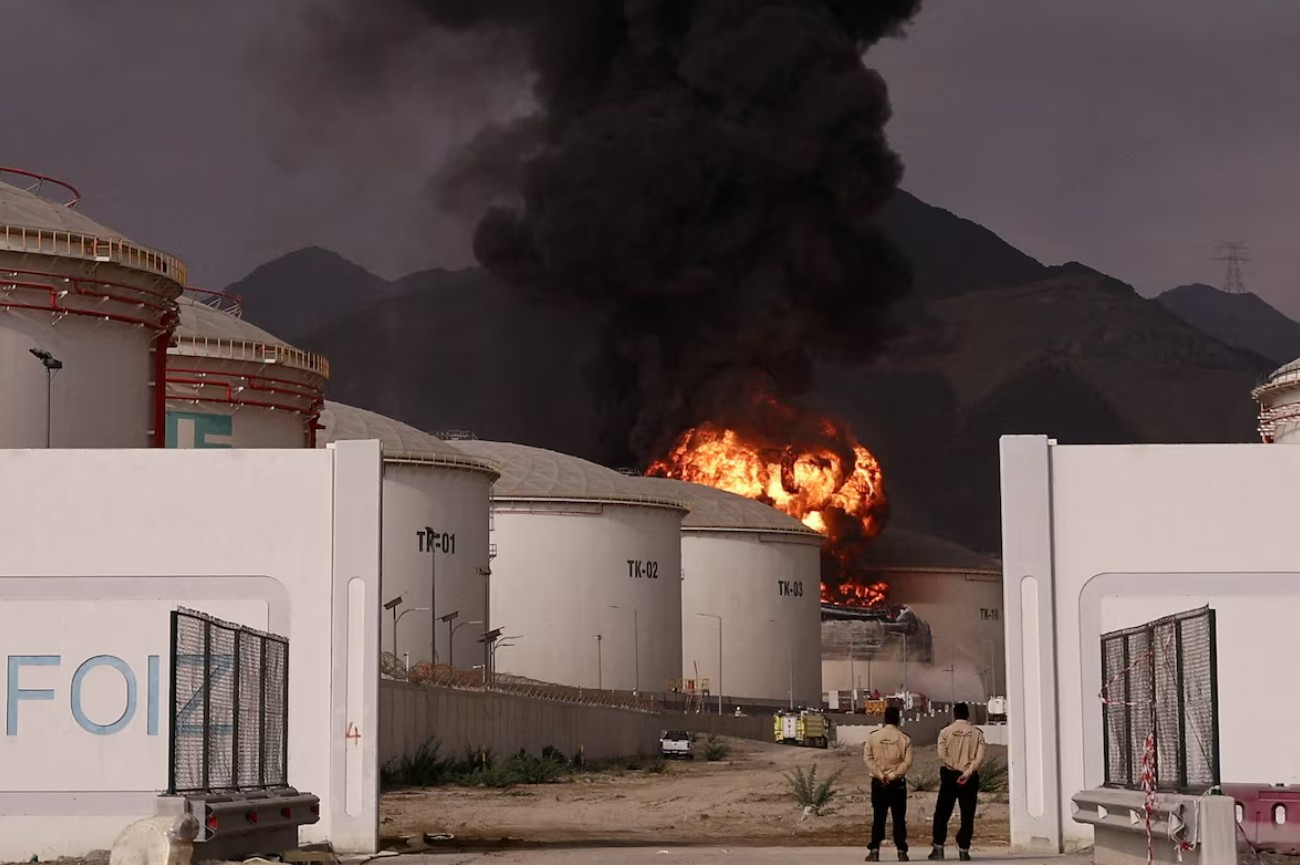
Analysis of maritime sources suggests this may already be happening: in recent days, Iran has attacked ships in areas beyond the strait, including waters off the coast of Qatar and the UAE. A second Iranian official said such ships “will not be safe anywhere, even beyond the Strait of Hormuz.”
Rising intensity
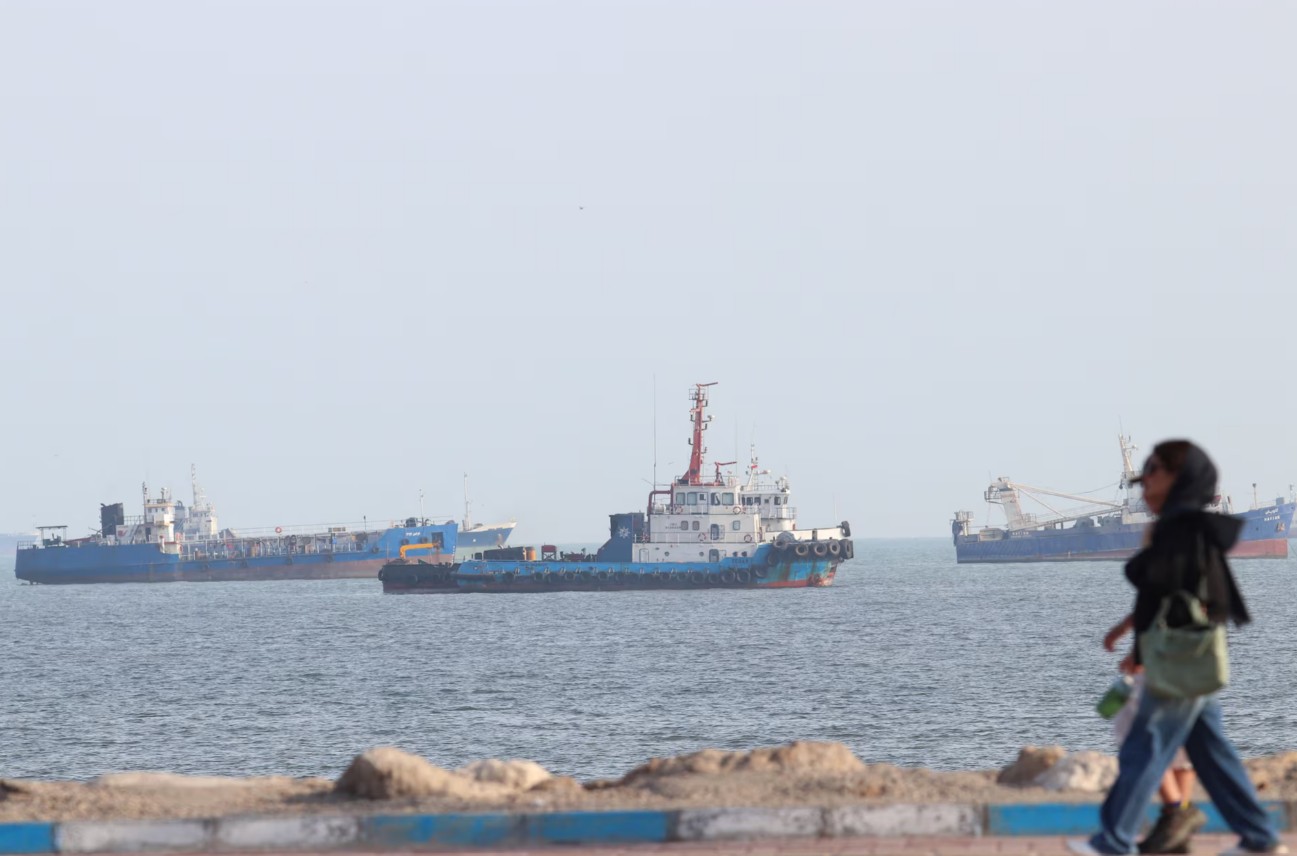
At least five incidents involving tankers and other commercial vessels have been recorded in the Hormuz area over the past 48 hours, including drone strikes, according to analysis of maritime sources and UKMTO.
This roughly matches the tempo of attacks on October 3–5, indicating a new escalation. “There is an increase in the tempo of strikes that appears deliberate,” one maritime security source noted.
On Sunday, October 11, six vessels were attacked in the Strait of Hormuz and adjacent waters of the Gulf of Oman, according to UKMTO: four tankers and a container ship were hit by “unknown projectiles,” and another tanker at the Suhar anchorage in Oman was attacked by a drone.
Political context
The war and its monthly cost of $3 billion have become a key issue in the US election campaign ahead of the November vote that will determine control of Congress. President Donald Trump has said he will not carry out new strikes on Iran before the vote. Meanwhile, the US is tightening its naval blockade of Iranian ports and expanding sanctions, trying to exert economic pressure on Tehran.
What this means
Iran’s strategy is not just military tactics, but an attempt to use energy leverage to influence the American electoral process. The expansion of attacks beyond the Strait of Hormuz signals that Tehran is ready to raise costs for everyone who depends on the stability of maritime supplies.
For markets, this means continued high volatility in oil prices at least until the US elections. For Washington, it means narrowing room for maneuver: any new strikes on Iran before the vote could be used by Tehran as proof of escalation, while inaction allows Iran to maintain control over the tempo of attacks. While Trump postpones a decision, Iran dictates the rhythm of the “chess game.”