RIYADH (Realist English). Saudi Crown Prince Mohammed bin Salman (MBS) is facing one of the biggest crises of his reign. Houthi missile strikes on Riyadh’s international airport, the closure of airspace, and the US refusal to provide military assistance are casting doubt on his promises of stability and economic prosperity.
What happened
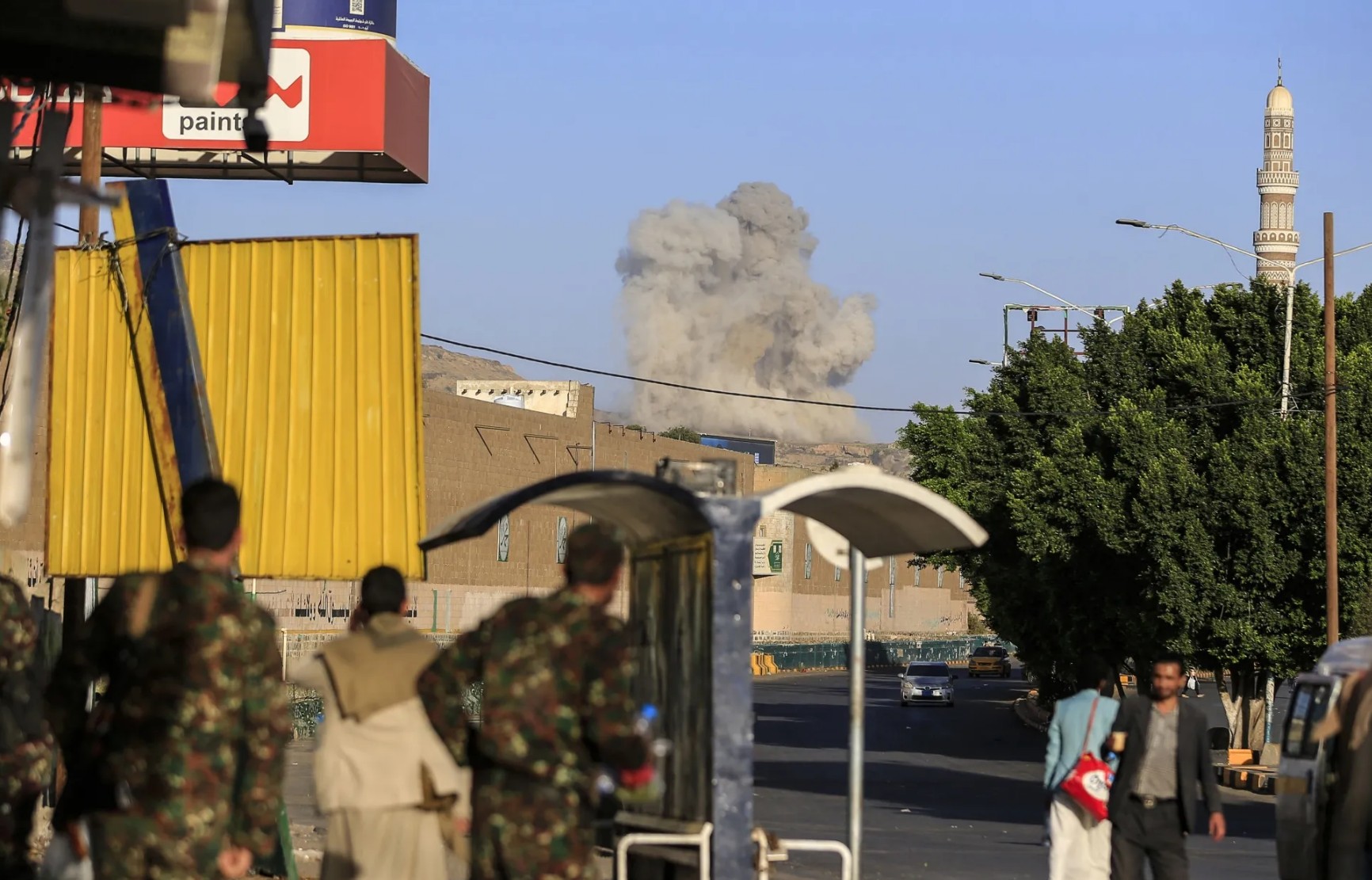
On October 10, the Houthis struck King Khalid International Airport in Riyadh. Thirteen people were killed and more than 300 were injured, including citizens of the United States, India, Bangladesh, Jordan, Egypt, and other countries. This is the deadliest attack on Saudi territory since 2015. The airport is closed until at least October 18.
The Houthis also attacked oil facilities, including a refinery in Jeddah and the Shaybah gas fields, as well as the East-West pipeline, which is critical for oil exports bypassing the Strait of Hormuz. Houthi military spokesman Yahya Saree warned airlines and passengers that Saudi airports are unsafe, with the exception of Mecca and Medina.
How it affected MBS
According to The Wall Street Journal, the Crown Prince is moving between palaces equipped with bunkers, guarded by a handpicked security team. His last public appearance was on October 6, when he donated blood as part of a donor campaign. Saudi Arabia is redeploying air defense batteries to protect palaces and energy infrastructure, while facing a shortage of interceptor missiles.
US support is not coming
MBS called US President Donald Trump twice in September to request airstrikes on the Houthis. Both times, Trump refused. The US is limiting itself to intelligence sharing and approving the sale of F-35 fighter jets worth $24 billion, but is not prepared to enter the conflict. On October 13, Trump said he would “consider” the possibility of involvement, but with midterm elections approaching and high gasoline prices, a new war is not in his interest.
Why this is a crisis for MBS
The Crown Prince’s strategy was built on delegating security to the US in exchange for economic cooperation. This model has failed: Washington is not ready to fight, and Iran is blocking the Strait of Hormuz, depriving Saudi Arabia of its second export route. Vision 2030 projects — Neom, the “Davos in the Desert” investment forum — have been frozen or are at risk of collapse. Investment and non-oil revenues have been falling since the first half of the year.
The Houthi crisis has exposed the structural vulnerability of the Saudi model: the country depends on American protection but cannot guarantee it; it bets on economic transformation but cannot ensure basic security. MBS is balancing between the need to respond (to avoid looking weak) and the reluctance to be drawn into a new war in Yemen.
His attempts to secure support from Turkey and Pakistan through the “Mecca Alliance” have so far yielded no concrete results. At the same time, Saudi Arabia has for the first time since the escalation made contact with Iran through Oman — a sign that Riyadh is seeking a way out of the impasse without relying on Washington. The question is whether MBS can maintain control over the agenda or whether the crisis will become a turning point for his rule.