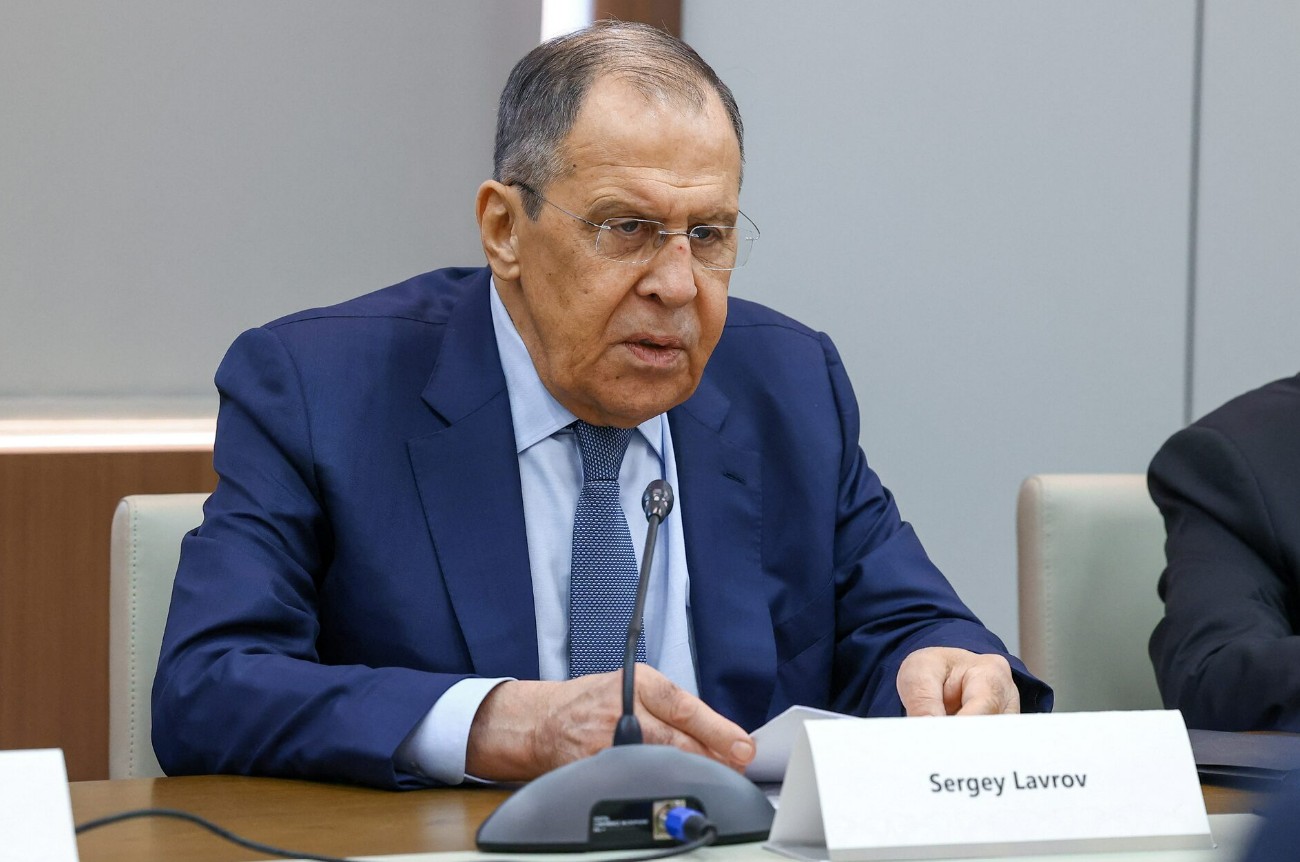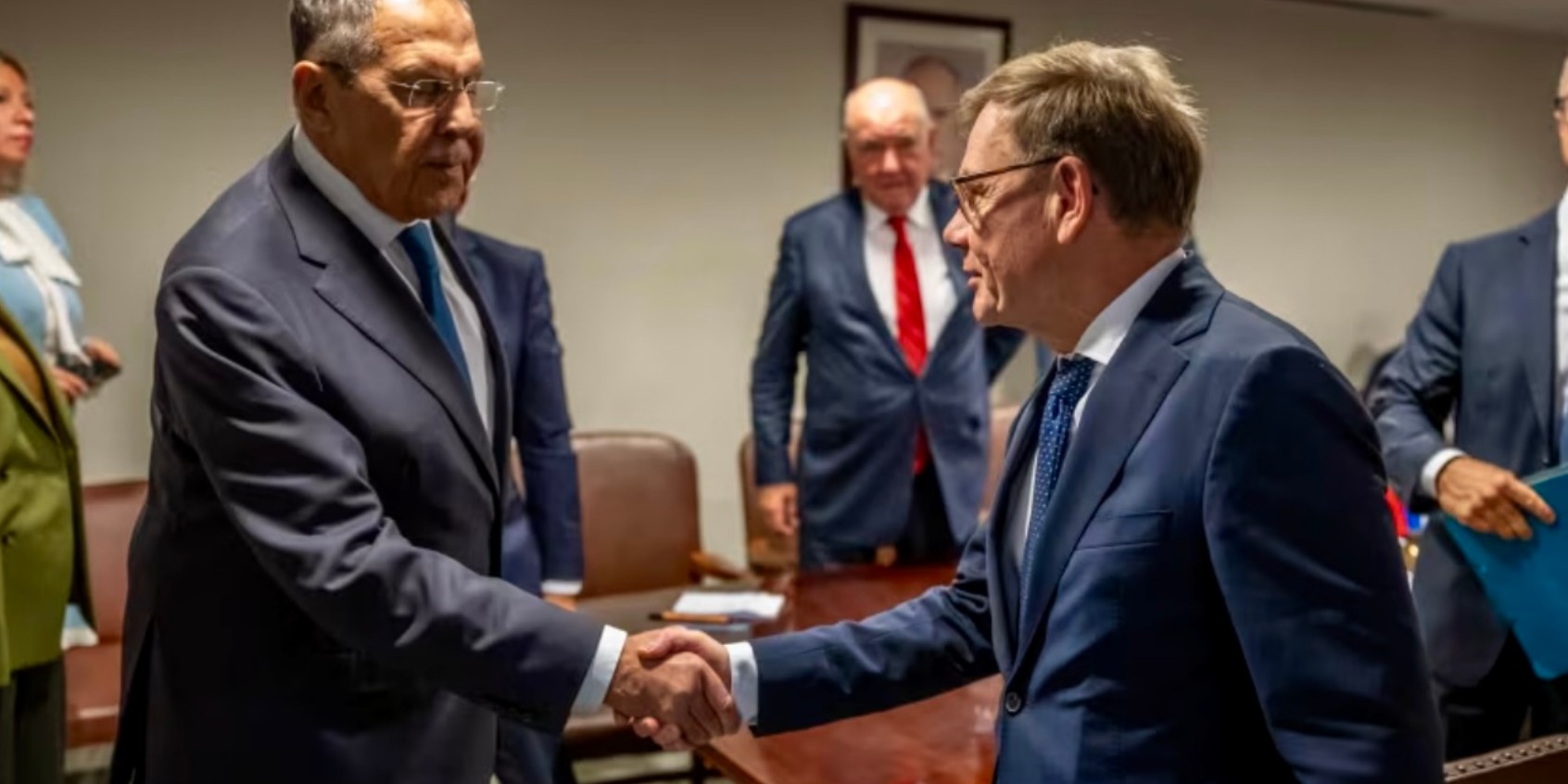
NEW YORK (Realist English). Russian Foreign Minister Sergey Lavrov and German Foreign Minister Johann Wadephul held their first bilateral meeting since 2022 on the sidelines of the 81st session of the UN General Assembly in New York.
The talks, requested by the German side “at the last moment,” lasted about 20 minutes and ended with a handshake, but without tangible convergence of positions.
Substance of the Meeting: “Very Tough Things” Without New Proposals
The meeting took place in the Russian side’s negotiation room at the UN building before both ministers’ speeches at the General Assembly. According to Wadephul, “very tough things” were said during the conversation, but he called the dialogue “meaningful,” emphasizing that “the task of diplomacy is to negotiate with opponents.”
Lavrov, by contrast, stated that “nothing new” could be gleaned from the meeting: the German minister “merely repeated Berlin’s public talking points.”
Germany’s Position: Grain, De-escalation, and a “Pragmatic Solution”
Wadephul urged Russia to do “everything possible to reach an agreement on grain exports through the Black Sea,” noting that “time is of the essence” due to food shortages in Global South countries. According to the German delegation, he also stated that “a pragmatic solution could open the way for further concrete steps.”
In addition, Wadephul urged Moscow to “abandon the dangerous path of escalation toward Germany, Europe, and NATO,” pointing to the drone incident at Leipzig/Halle Airport in August, for which Berlin blamed Russia.
Russia’s Position: “Gesture of Goodwill” in Exchange for Concessions
Lavrov characterized the subtext of the meeting as an attempt by Berlin to present the matter as if Germany had “condescended to contact,” expecting concessions on the Ukrainian front and an agreement on the Black Sea region in return. He advised Wadephul to “read his own speech in the Security Council on Ukraine on September 23.”
In his speech at the General Assembly, Lavrov confirmed Russia’s intention to pursue military objectives in Ukraine “under any circumstances” and stated that Moscow would veto the granting of permanent seats on the UN Security Council to Germany and Japan, accusing both countries of “militarization and revanchism.”
Diplomacy Amid Deep Freeze
Moscow-Berlin relations have been in a deep freeze since February 2022, and after the drone incident in Leipzig, Berlin closed the last Russian consulate general in Germany and the Russian cultural center.
The current meeting is the first contact at the foreign minister level in more than four and a half years: the previous one took place in January 2022, when Annalena Baerbock held the post of German Foreign Minister.
Dialogue for Dialogue’s Sake or Laying Groundwork?
Within the meeting and around it, subtle disagreements remain in assessing its significance. Wadephul insists the talks were “meaningful,” and the German side requested them at the behest of “numerous colleagues from other countries.”
Lavrov, however, made clear that the meeting was more demonstrative in nature: Berlin “came, condescended to contact,” but offered nothing substantive. Notably, before the meeting, Wadephul’s staff demanded restricting media access, not allowing questions, and not recording the ministers’ opening remarks. When asked by a journalist whether the dialogue was positive, Wadephul answered evasively: “Be careful, don’t stumble.”
The first meeting in 4.5 years between the Russian and German foreign ministers is a symbolic event, but not a substantive one. Berlin, by requesting contact, sought to demonstrate readiness for dialogue and seize the initiative amid pressure from allies, while Moscow used the platform to reaffirm its hard line.
The formula of “dialogue for dialogue’s sake” does not eliminate the fundamental rift: Germany remains one of Kyiv’s key allies, and Russia does not intend to cede its positions strengthened during the SVO.
The meeting was more a probing of the ground than a real step toward de-escalation. The question is whether a second contact will follow — or whether the parties will limit themselves to demonstrating readiness to talk while maintaining their previous positions.