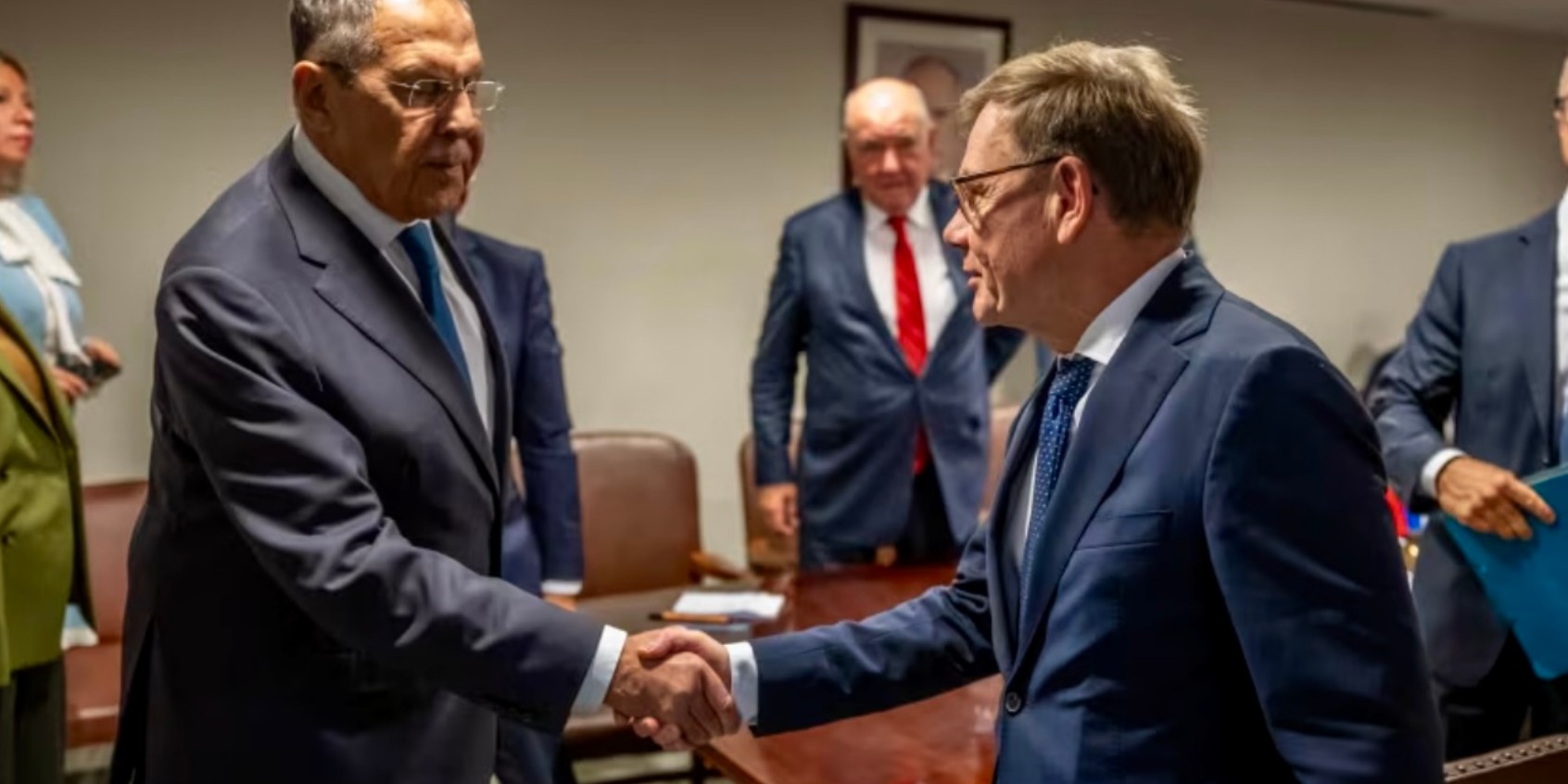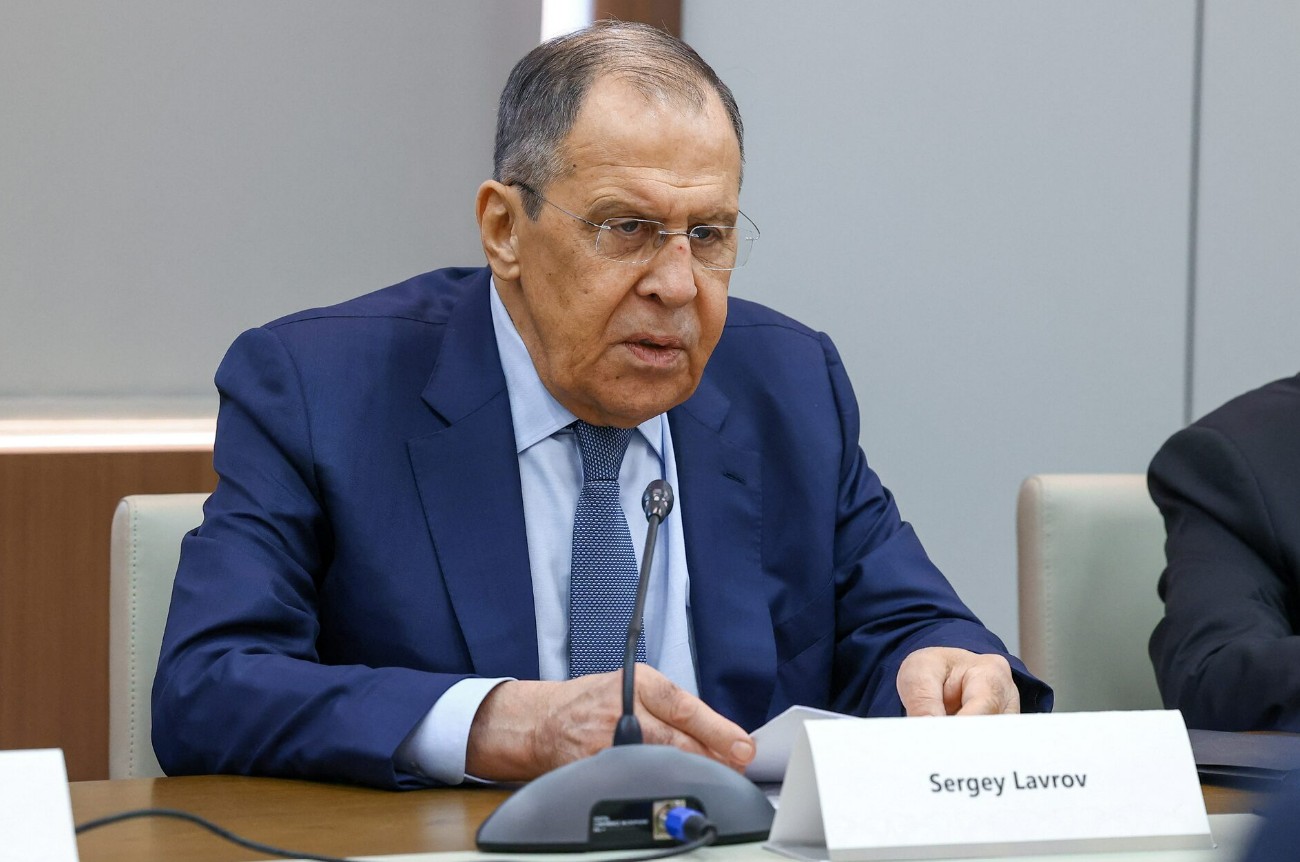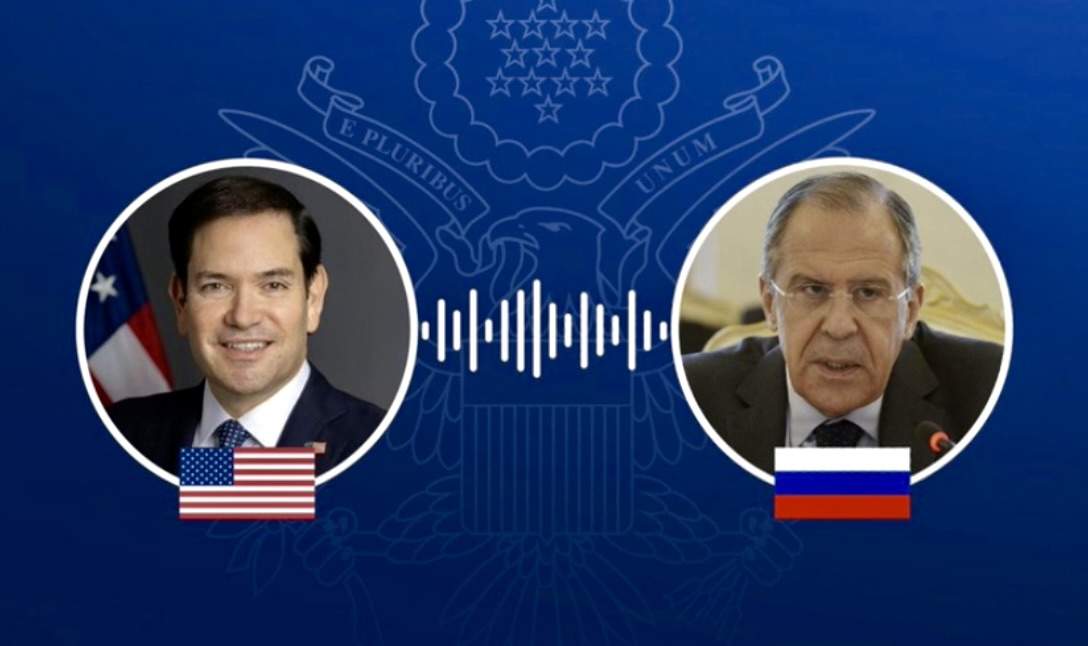
MOSCOW (Realist English). On May 25, Russian Foreign Minister Sergei Lavrov held a telephone conversation with US Secretary of State Marco Rubio.
The Russian minister, acting on instructions from President Vladimir Putin, officially informed the American side that the Russian Armed Forces were beginning systematic and sequential strikes on facilities in Kyiv used for the needs of the Ukrainian Armed Forces, as well as on decision-making centers.
Lavrov drew Rubio’s attention to the Russian Foreign Ministry statement of May 25, in which the United States, along with other states having diplomatic missions in Kyiv, was advised to ensure the evacuation of their diplomatic personnel and other citizens from the Ukrainian capital. The reason given was the ongoing terrorist attacks by the Kyiv regime against the civilian population and civilian facilities on Russian territory.
The minister recalled the agreements on the Ukrainian conflict reached at the highest level on the initiative of the United States in Anchorage in August 2025, and expressed regret that the “brazen efforts of the Euro‑elites and the Kyiv regime” were undermining those agreements, which had opened the way to a sustainable long‑term settlement based on a balance of interests.
The heads of the foreign ministries exchanged assessments of diplomatic initiatives to resolve the crisis in the Strait of Hormuz and also discussed the situation around Cuba. In addition, Lavrov and Rubio confirmed their mutual determination, despite known differences, to intensify efforts to normalise the working conditions of the Russian and US diplomatic missions on each other’s territory.
Other issues discussed
Apart from Ukraine, the heads of the foreign ministries discussed other pressing topics:
- Situation around Iran and the Strait of Hormuz: Moscow and Washington exchanged views on diplomatic initiatives aimed at overcoming the crisis. Russia consistently opposes US resolutions on Iran in the UN Security Council, blocking them, and calls for resolving the problem through dialogue.
- Situation around Cuba: The sides also touched on the situation around the “Island of Freedom,” indicating Moscow’s traditional attention to this issue in the context of confrontation with the West.
Normalisation of diplomatic relations: a step forward
A positive outcome of the week was the confirmation of mutual intention to normalise the work of diplomatic missions. During the same conversation on May 25, Lavrov and Rubio agreed to step up efforts to improve the working conditions of each other’s embassies, despite “known differences.” The process is not easy, but Russia has proposed concrete measures, including the possible restoration of direct air links.
Direct US‑Russia talks
On May 20, a high‑level meeting took place in Riyadh. Senior diplomats from the two countries discussed ways to “restore the full range of relations” and a possible end to the war, but without Ukraine’s participation. Despite public disagreements, diplomats continue their work.
The Russian side said it had carefully studied the US‑drafted “peace plan,” consisting of 27 points, and was preparing its own proposals. Lavrov publicly gave a sceptical assessment of progress, saying on May 13 that in practice “nothing is happening” and that the existing agreements on a Ukrainian settlement were being undermined by Kyiv and the “Euro‑elites.”