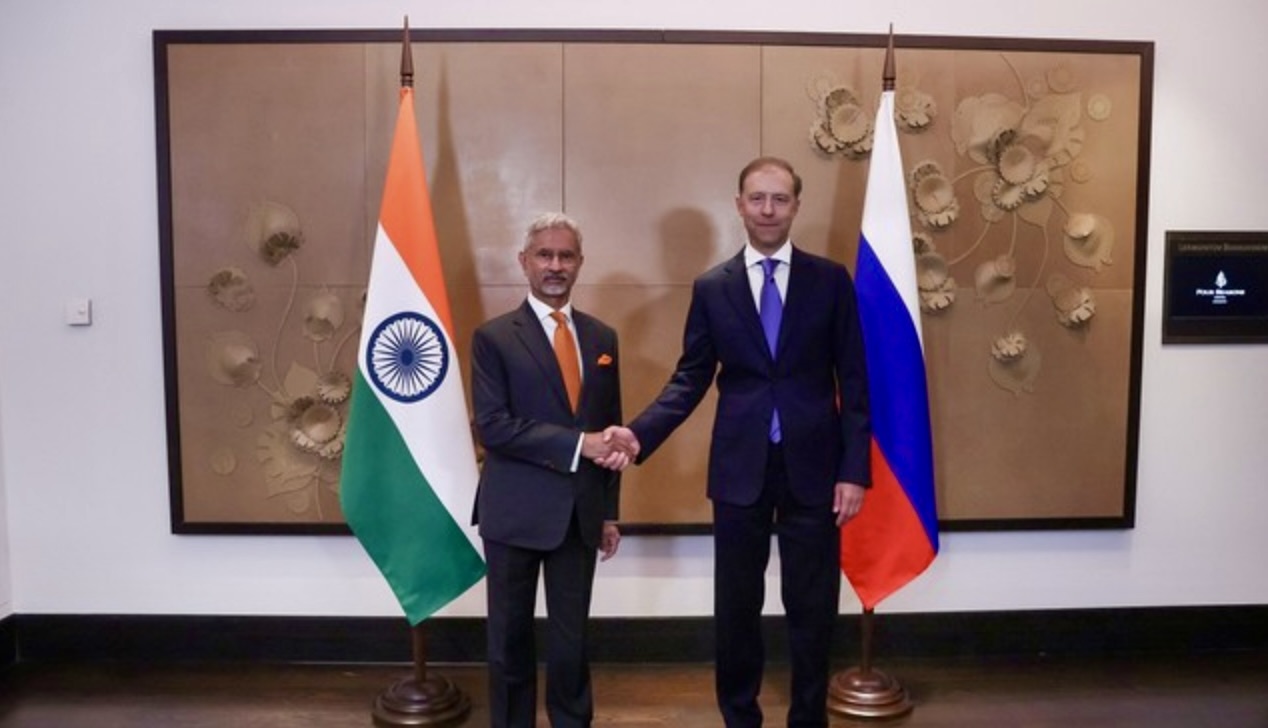
MOSCOW (Realist English). On August 24, Moscow hosted the 27th session of the Russian-Indian Intergovernmental Commission on Trade, Economic, Scientific, Technical and Cultural Cooperation.
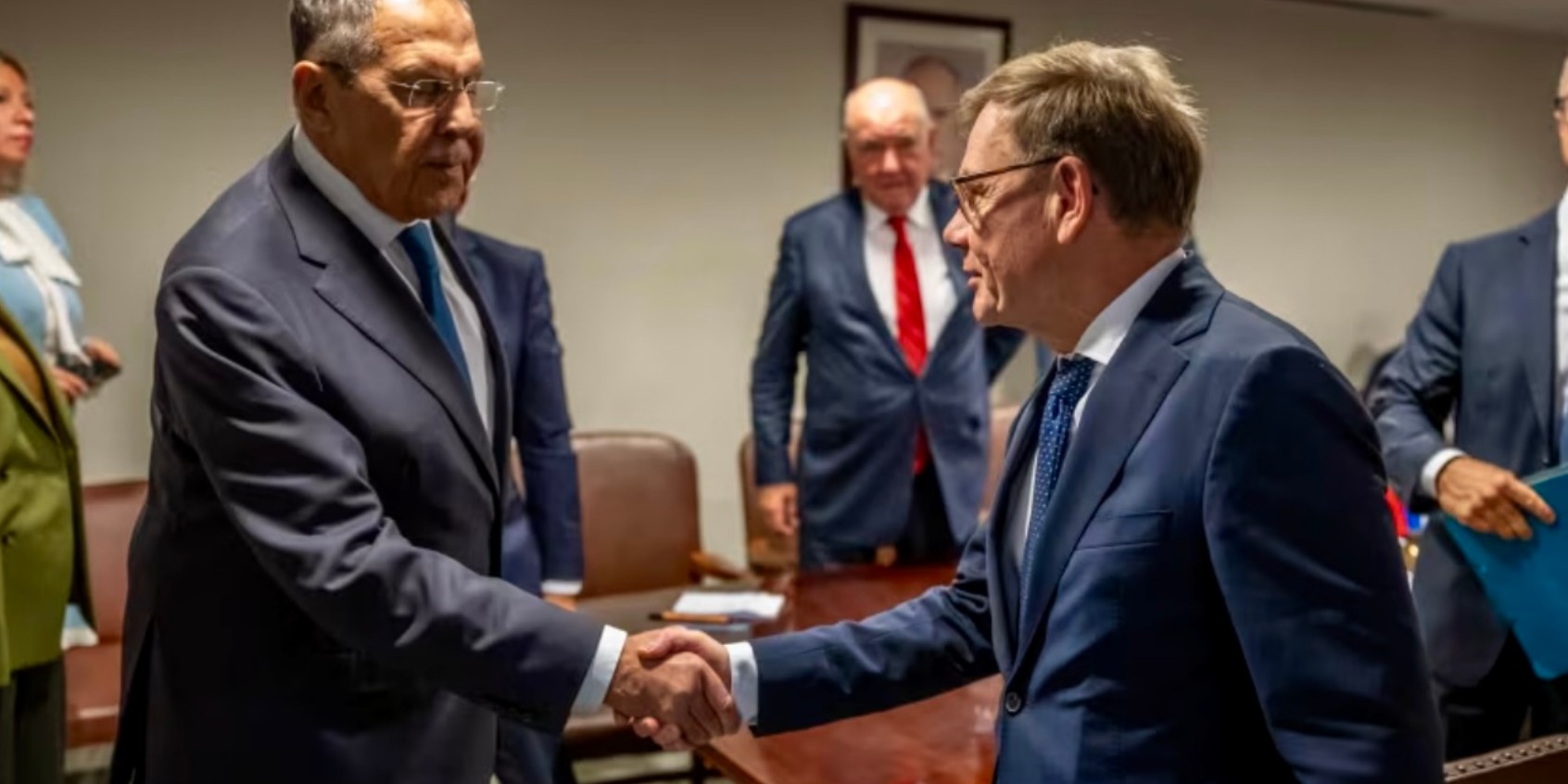
The delegations were headed by Russian First Deputy Prime Minister Denis Manturov and Indian Minister of External Affairs Subrahmanyam Jaishankar, who arrived in the Russian capital on a two-day visit. Later that same day, the Indian foreign minister was received by President Vladimir Putin at the Kremlin.
The meeting took place against the backdrop of intensifying US pressure on Delhi – Washington has threatened India with stricter sanctions over its purchases of Russian oil and military hardware. Nevertheless, the sides demonstrated their determination to maintain the course of a “special and privileged strategic partnership,” enshrined in bilateral declarations of recent years.
Who participated and what was discussed
The Russian delegation at the commission was led by Denis Manturov and also included representatives of the Ministry of Industry and Trade, the Ministry of Energy, Rosatom, and other line agencies. The Indian side was represented by Foreign Minister Subrahmanyam Jaishankar, accompanied by officials from the Ministry of Commerce and Industry.
The parties discussed four key areas:
| Area | Essence of the agreements reached |
| Trade diversification | 8% growth in trade turnover in the first half of 2026; expansion of supplies of agricultural products, machinery, metallurgy, pharmaceuticals and textiles. |
| Energy and nuclear cooperation | New projects for the construction of nuclear power plants (including small-scale stations), localization of equipment and nuclear fuel production in India, Rosatom’s participation in the development of the Northern Sea Route. |
| Industrial cooperation | Encouraging Indian business participation in INNOPROM and the Eastern Economic Forum; preparation of a free trade agreement between the EAEU and India. |
| Humanitarian ties | Over 1,000 inter-university agreements, nearly 40,000 Indian students in Russian universities. |
As Manturov stressed, the priority is not only quantitative growth but also a qualitative diversification of the structure of mutual trade, which until now remains heavily skewed toward hydrocarbons.
Kremlin time check
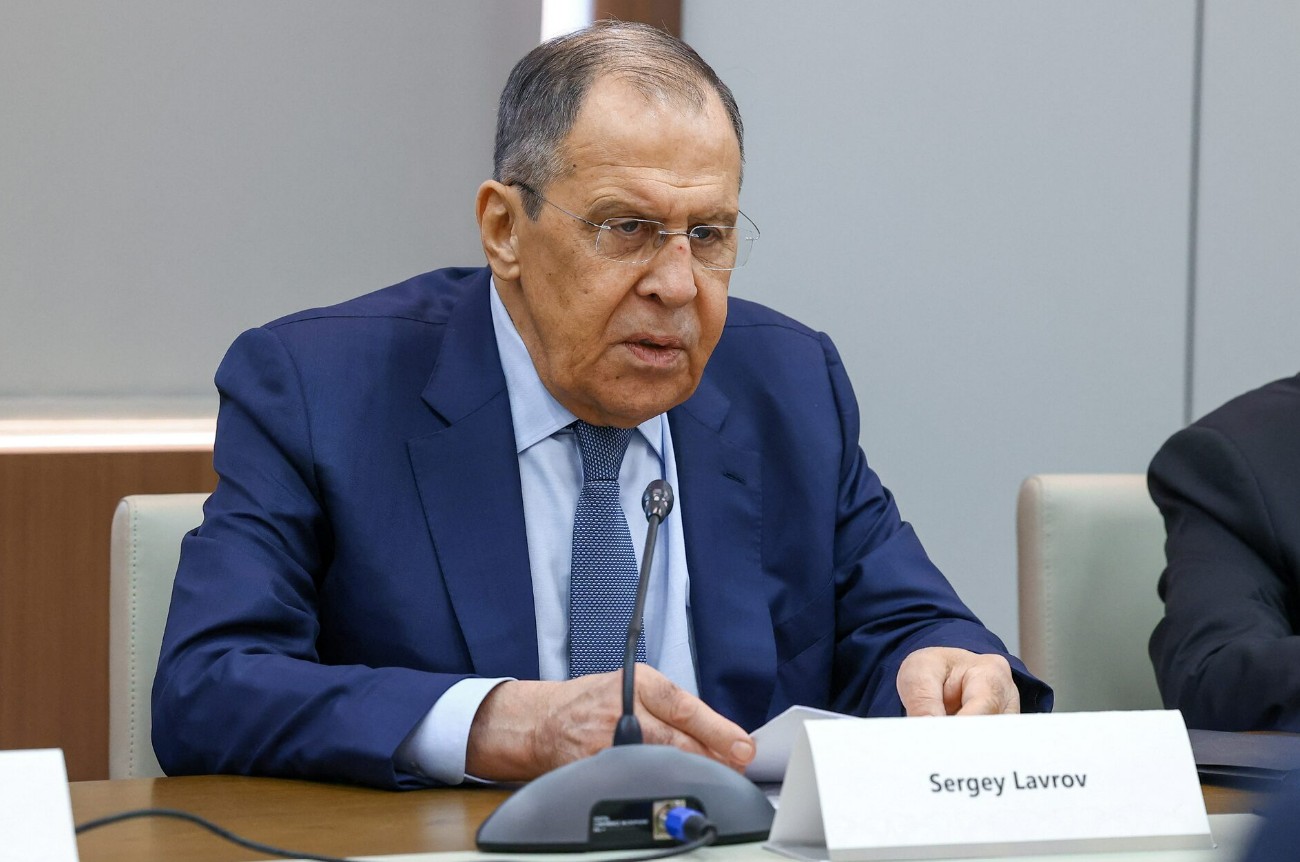
After the commission session, Jaishankar was received by Vladimir Putin. The meeting was attended by Manturov, Russian Foreign Minister Sergey Lavrov, Presidential Aide Yuri Ushakov, and Deputy Head of the Presidential Administration Maxim Oreshkin.
Putin noted the successful development of relations in the spirit of a special and privileged strategic partnership and thanked the Indian side for the warm wishes from Prime Minister Narendra Modi. In turn, Jaishankar confirmed New Delhi’s readiness for further coordination within the SCO, BRICS, and G20.
“I know that you have already worked thoroughly with your Russian colleague, and you have surely discussed the most important issues. There are many of them,” Putin said, addressing the Indian minister.
Geopolitical subtext: balancing between Moscow and Washington
As informed sources of Realist English in diplomatic circles note, Jaishankar’s current visit was an attempt by New Delhi to find a fine line between strategic dependence on Russian energy and arms supplies, on the one hand, and the desire to maintain access to Western technologies and markets, on the other.
According to Kommersant, the US administration continues to threaten India with secondary sanctions similar to the CAATSA mechanism, but Delhi is demonstrating that it does not intend to sacrifice decades‑old partnership with Russia for temporary political dividends.
The meeting took on particular significance ahead of two major summits: the SCO summit in Bishkek (August 30–31), where a face‑to‑face meeting between Putin and Modi is expected, and the autumn BRICS summit, which, according to unconfirmed reports, may be held in India with the participation of the Russian leader.
An ambivalent outcome: alliance without illusions
The Moscow round of talks confirmed that Russia and India retain mutual interest in deepening economic and technological connectivity, despite external pressure.
However, open questions remain: can the free trade agreement with the EAEU overcome bureaucratic and protectionist barriers? Is the Russian defence industry ready to transfer sensitive technologies that the Indian side expects? And most importantly – how long will New Delhi’s political will hold out against Western pressure if sanctions risks escalate into real restrictions for Indian business?
For now, both sides prefer to speak of “progressive development,” leaving sharp corners behind the scenes. But it is precisely these corners that will determine whether the current dialogue becomes the foundation for a new stage of cooperation or merely a tactical pause before an inevitable choice.