AMMAN (Realist English). On August 24, Syria and Israel held a round of direct talks in Jordan, mediated by the United States, focused on de-escalation following a series of Israeli airstrikes on Syrian territory.
Damascus stated its intention to “prevent the spillover” of tensions between Israel and Turkey onto its soil. The meeting marked the first direct contact between the sides in several months.
Who participated and what was discussed
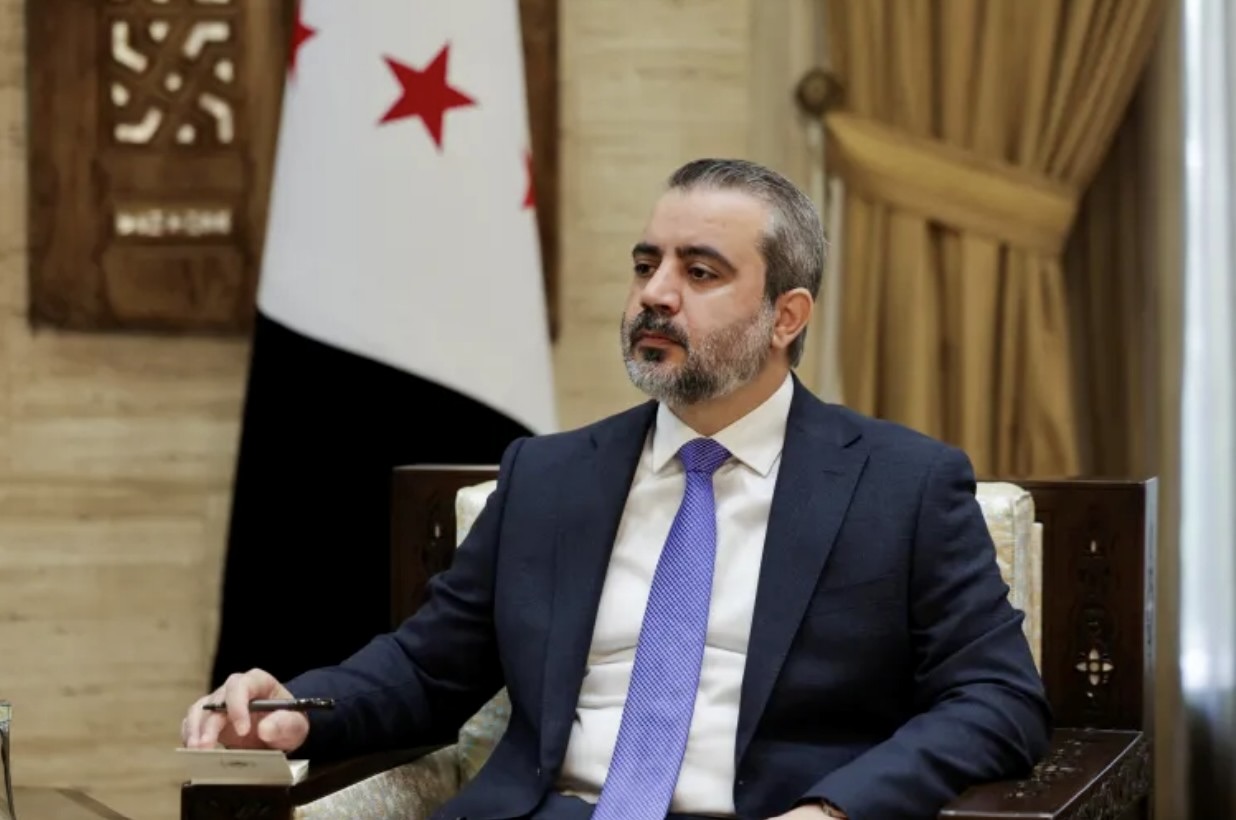
The Syrian delegation was headed by Foreign Minister Asaad al-Shaibani, and also included the heads of general and military intelligence.
The Israeli side was represented by Mossad chief Roman Gofman. The talks took place under the mediation of U.S. Special Envoy for Syria Tom Barrack, on a platform provided by Jordan.
The sides discussed three key issues:
| Area | Essence |
| De-escalation | Developing “practical mechanisms” to halt Israeli strikes on Syrian territory |
| Security in southern Syria | Reducing tensions in the southern provinces, where Israel seeks to create a “demilitarized zone” |
| Excluding Syrian territory from the Israel–Turkey conflict | Damascus declared its intention not to allow the Ankara–Tel Aviv standoff to play out on Syrian soil |
According to the Syrian state news agency SANA, the meeting also addressed “the resumption of the negotiation process with a view to reaching a security agreement that could serve as a foundation for a more comprehensive future agreement.”
Background: strike on an airbase and threats
The immediate trigger for the talks was an Israeli airstrike on the unused Abu al-Duhur airbase in Idlib province, carried out earlier in the week.
Israel said the strike aimed to prevent the deployment of Turkish troops at the facility. Ankara categorically denied any plans to visit the base.
U.S. Special Envoy for Syria Tom Barrack called the attack “an unnecessary escalation that does not contribute to regional stability.”
Following the incident, Israeli Prime Minister Benjamin Netanyahu and Turkish President Recep Tayyip Erdoğan exchanged sharp statements, further escalating tensions between the two countries.
Coordination mechanism: an “operations room” under U.S. oversight
According to AFP sources, the talks discussed the creation of a “special operations room” in Jordan, under American supervision, to prevent any clashes in Syria, including those involving Turkey.
Earlier, in January 2026, the sides had already agreed to establish a dedicated U.S.-backed communication channel to reduce bilateral tensions. At that time, they also agreed on the format of a joint operations center based in Jordan for security coordination and border control.
Israeli strikes and the U.S. position
Since December 2024, following the fall of Bashar al-Assad’s regime, Israel has carried out hundreds of strikes on Syrian territory. Israeli forces also entered the UN-patrolled demilitarized zone on the Golan Heights and conducted several incursions deeper into Syrian territory.
On the eve of the talks, Israel struck southern Syria, saying the target was a militant. Damascus called the attack a “flagrant violation” of sovereignty. Meanwhile, U.S. President Donald Trump continues to insist on concluding a security agreement between Syria and Israel, but sources note that Israel still does not trust the Syrian authorities.
The Amman compromise: fragile peace or delayed war?
The talks in Amman marked an important step toward normalizing relations between Syria and Israel amid ongoing regional instability. Damascus, seeking to avoid turning its territory into an arena for confrontation between Ankara and Tel Aviv, is trying to cement its role as a neutral party.
However, open questions remain: can the proposed “operations room” mechanism effectively prevent incidents, given that each side pursues its own interests in Syria? And more importantly, will the parties be able to move from tactical de‑escalation arrangements to a full-fledged security agreement that could serve as a basis for broader settlement?