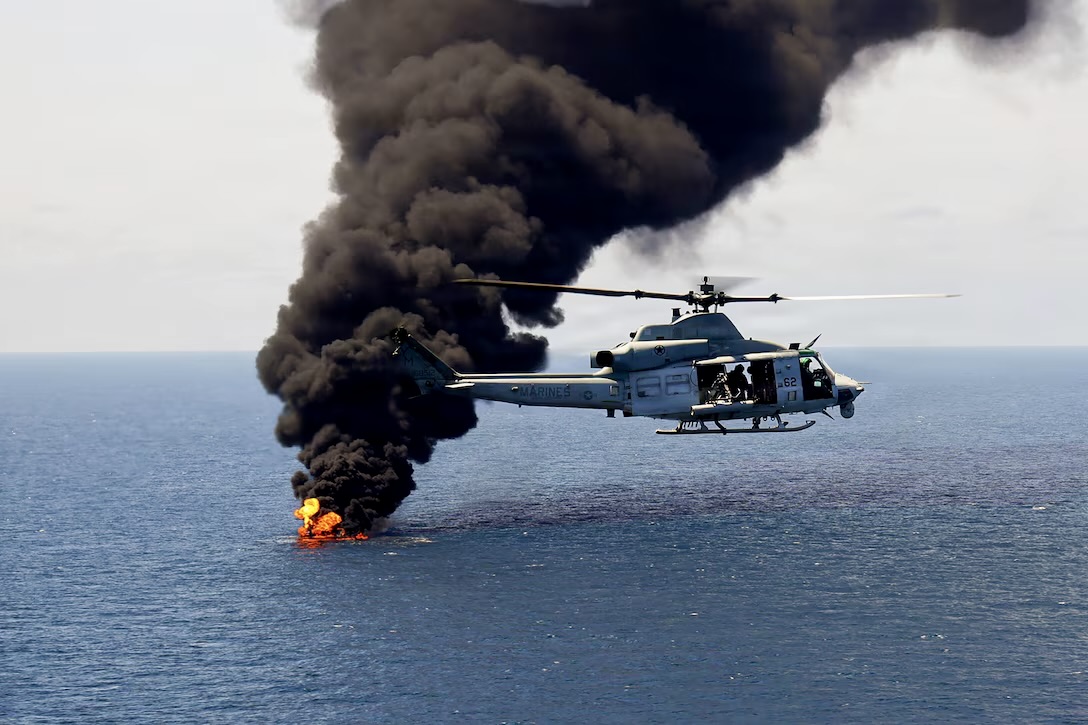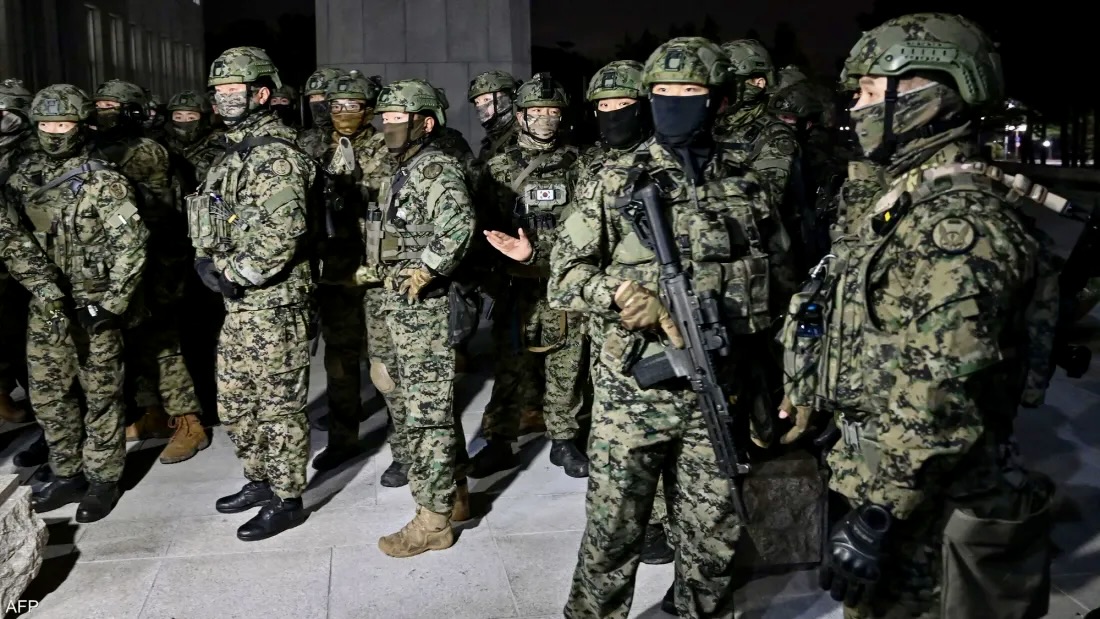
SEOUL (Realist English). South Korea has begun concrete preparations to deploy military forces to the Strait of Hormuz, despite the ongoing US‑Iran conflict.
According to South Korean media and government sources, the deployment would involve maritime patrol aircraft P‑8 Poseidon, a logistics support vessel, and an explosive ordnance disposal (EOD) team.
However, the presidential administration insists that no final decision has been made and that the matter is still under review. Pressure from Donald Trump, who has publicly criticised Seoul for refusing to participate in actions against Iran, is forcing the administration to seek a compromise that demonstrates alliance loyalty without direct involvement in combat operations.
From “After the War” to “Concrete Preparation”
Earlier, the South Korean government stated that it would consider deployment to the Strait of Hormuz only after the US‑Iran war ended. However, as SBS has reported, this policy has changed — preparations have begun despite the ongoing hostilities. According to the Ministry of National Defence, forces are already preparing for dispatch.
Composition of the Possible Contingent
According to reports, the deployed forces may include:
- P‑8 Poseidon patrol aircraft — for monitoring submarines and surface vessels of potential adversaries.
- Navy logistics support vessel — for logistical support.
- Explosive Ordnance Disposal (EOD) team — from the UDT/SEAL underwater demolition unit, likely to conduct joint operations with foreign naval forces.
As Chosun Ilbo notes, the government is prioritising the deployment of non‑combat assets. Options for sending a mine‑clearance unit are also being discussed.
Trump’s Pressure as a Key Factor
The acceleration of preparations is linked to repeated pressure from President Donald Trump. Trump has publicly criticised Seoul for refusing to participate in actions against Iran and has even scaled back joint military exercises with South Korea.
In March 2026, a Gallup Korea poll showed that 55% of South Koreans oppose sending naval vessels to the Strait of Hormuz.
| Aspect | Details |
| Contingent composition | P‑8 Poseidon patrol aircraft, logistics support vessel, EOD team |
| Priority | Non‑combat assets, shipping support |
| US pressure | Trump criticised Seoul, scaled back joint exercises |
| Public opinion | 55% oppose sending warships (Gallup poll, March 2026) |
| Approval procedure | NSC decision, Cabinet resolution, National Assembly consent |
| Status | Final decision not made; preparations ongoing |
Approval Procedure and the Administration’s Position
Actual deployment requires:
- A decision by the National Security Council (NSC);
- A Cabinet resolution;
- Consent from the National Assembly (under Article 60, Paragraph 2 of the Constitution).
A draft resolution is expected to be submitted to parliament as early as this month. However, the presidential administration insists no final decision has been made.
A senior official stated: “No decision has been made, but we continue to consider all options.” He also stressed that any action must not undermine the country’s defence capabilities on the Korean Peninsula.
If approved, the mission would mark the first deployment of South Korean naval forces beyond the Korean Peninsula.
Between Ally and National Interests
The situation surrounding the possible deployment of South Korean forces to the Strait of Hormuz reflects Seoul’s classic dilemma: how to balance the demands of its key ally — the United States — against its own national interests, including defence capabilities on the Korean Peninsula and domestic public opinion.
Trump’s pressure, publicly criticising Seoul for “freeloading,” is forcing the administration to seek a compromise that demonstrates alliance loyalty without direct combat involvement.
Notably, the government is prioritising non‑combat assets — patrol aircraft and support vessels. This allows it to claim a “substantial contribution” to shipping security without becoming directly entangled in the conflict. However, even this step requires a complex domestic political procedure: approval from the National Security Council, the Cabinet, and the National Assembly.
Open questions remain. Can the administration secure the necessary parliamentary approval, given that a majority of the public opposes sending troops? And could this deployment set a precedent that draws South Korea into a deeper military presence in the Middle East, despite the stated “non‑combat” nature of the mission?