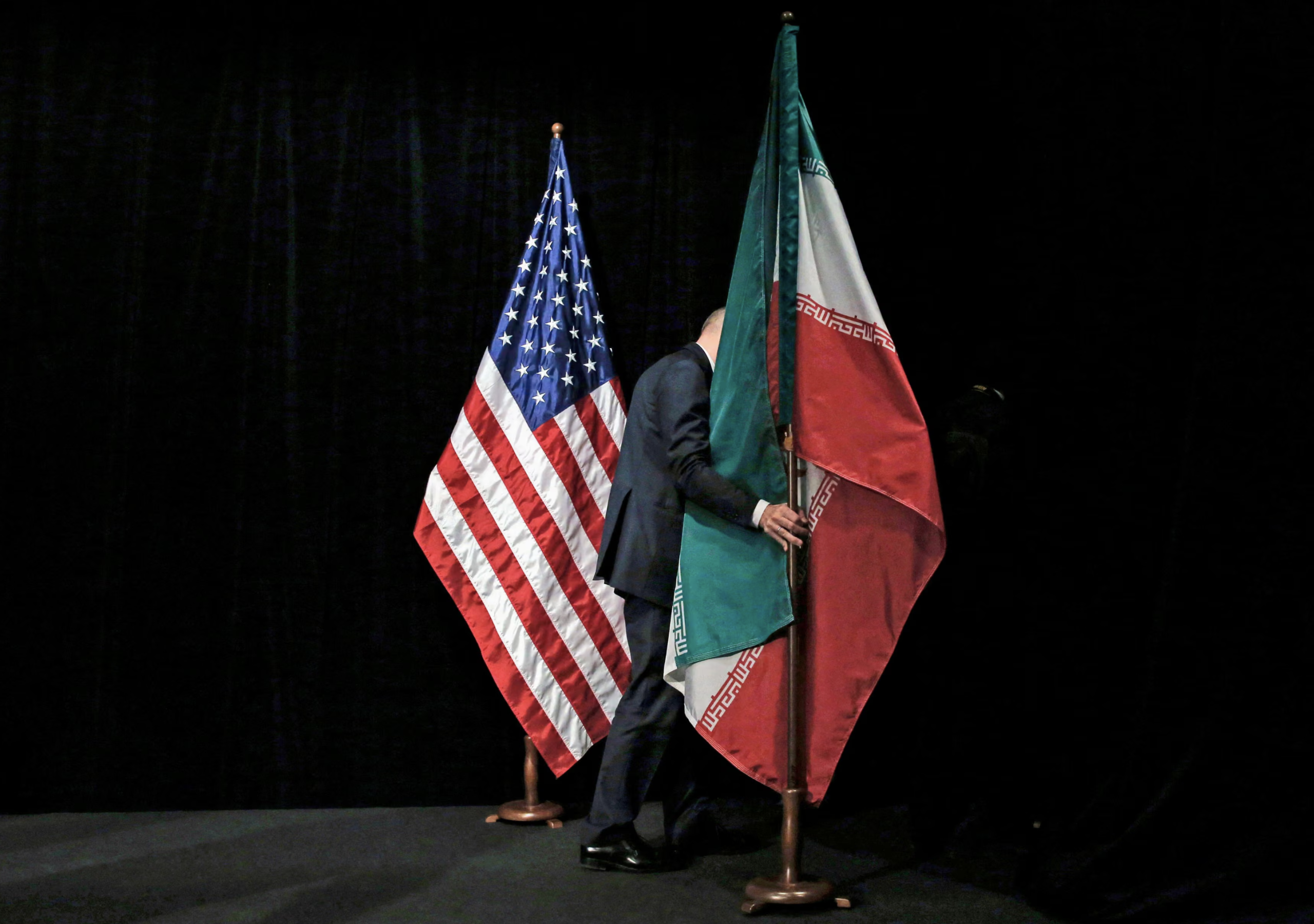
TEHRAN (Realist English). Over the past 24 hours, diplomatic efforts between the United States and Iran have reached a critical point amid contradictory statements from leaders and the renewed blockade of the Strait of Hormuz. The main stumbling block is the Lebanese front: Tehran refuses to sign a nuclear agreement without an end to Israeli strikes on Hezbollah, while Israel insists on the complete demilitarisation of southern Lebanon.
Talks progress: 80% agreement and fundamental disagreements
According to the Turkish television channel Habertürk, the US and Iran have reached an understanding on about 80% of the nuclear file issues, including the fate of Iran’s enriched uranium (estimated at 440–450 kg), which could be shipped to third countries such as Turkey or Pakistan. However, US President Donald Trump said on April 19 that a peace agreement “will still be concluded — the peaceful way or the tough way.”
In Tehran, the mood is noticeably more guarded. Parliament Speaker Mohammad-Bagher Ghalibaf accused the American side of manipulation and attempting to exert pressure through the media. He also rejected Trump’s recent statements about the negotiations, calling all seven of his claims false. Ghalibaf stressed that the US must “earn the trust of the Iranian people” by abandoning attempts to impose its position in the dialogue.
The Iranian news agency Tasnim reported that Tehran has not yet agreed to the next round of talks due to the naval blockade and excessive US demands.
The Lebanon knot: why the deal is stalling
For Iran, the fate of Hezbollah is a matter of preserving its regional influence. Tehran insists on a complete cessation of Israeli airstrikes on Lebanon and the withdrawal of IDF units from the country’s southern territories. Iran sees a Lebanese settlement as an integral part of a “single package” of de‑escalation. The IRGC has already warned that if strikes on Lebanon continue, Tehran may back out of ceasefire arrangements with the US.
Israeli Prime Minister Benjamin Netanyahu is categorically opposed to linking an Iranian deal to the Lebanese front. Israel demands the creation of a “buffer zone” up to the Litani River and the destruction of all of Hezbollah’s underground infrastructure, regardless of whether the US and Iran reach an agreement on the nuclear programme. “I agreed to neither the first nor the second,” Netanyahu said. “We remain in Lebanon, in an enhanced security zone.”
The Trump administration is trying to separate these issues, offering Iran economic benefits in exchange for nuclear concessions, while in effect giving Israel a “green light” to continue operations in Lebanon to “minimise threats.” But Tehran refuses to strike a deal without security guarantees for its proxy.
Escalation in the strait: IRGC restores blockade
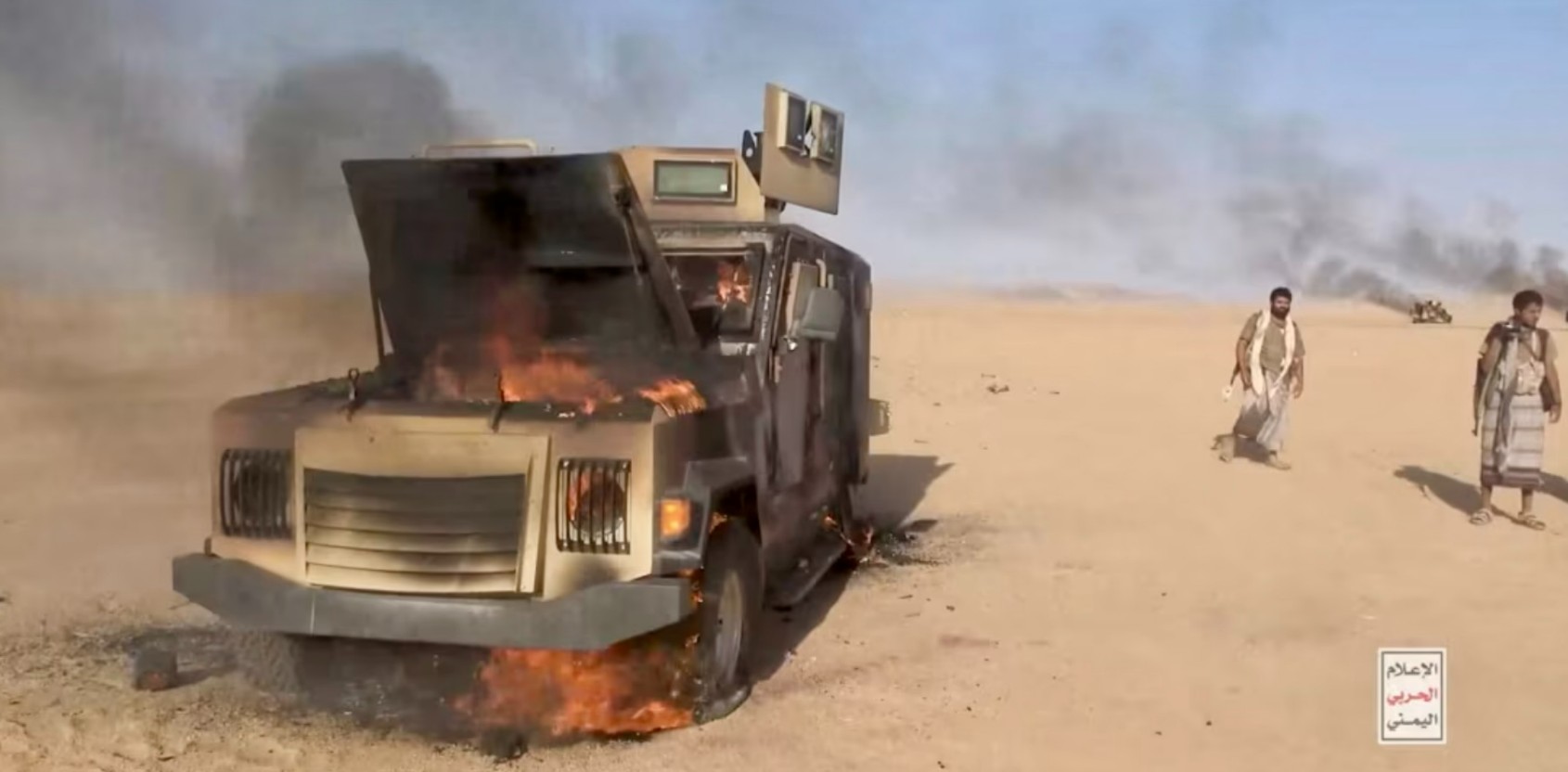
The Islamic Revolutionary Guard Corps (IRGC) has restored military control over the Strait of Hormuz and indicated that the rules of the game have changed. Any vessel approaching the strait may be regarded as “cooperating with the enemy”, with corresponding consequences. In practice, this is already leading to a sharp drop in traffic: dozens of ships are turning back rather than risk going further. There are reports of an informal “transit fee” of up to $2 million per barge. At the same time, the number of incidents is rising: strikes on commercial vessels are being recorded off the coast of Oman, and attempts to cross the strait are met with gunfire.
Israel’s position: maximalism and readiness for war
Israel supports the US’s “maximalist” goals while maintaining full readiness to resume the war. Netanyahu said that Israel’s and America’s objectives fully coincide: removing the uranium, stripping Iran of its enrichment capabilities, and ensuring freedom of navigation. The Israel Defense Forces (IDF) are on high alert. Against the backdrop of the talks, Israel is not halting its operations in Lebanon against Hezbollah, saying that the demilitarisation of Beirut and southern Lebanon is an essential condition for a lasting peace. Within the Israeli cabinet, there are fears that Iran is using the negotiations merely to buy time and recover from the airstrikes on its infrastructure earlier in 2026.
Key sticking points
- Nuclear issue: The US demands a complete halt to enrichment and the removal of materials; Iran insists on the right to a peaceful nuclear programme under international control, but without losing its sovereignty. Iranian President Masoud Pezeshkian said: “Trump cannot force Tehran to abandon its nuclear programme.”
- Lebanese front: Tehran demands an end to Israeli strikes on Lebanon as a precondition for any deal; the US and Israel insist that this is a separate track of negotiations.
- Sanctions relief: Iran demands the immediate unfreezing of assets and lifting of the oil embargo, while Washington is prepared to do so only in stages, after nuclear conditions are met. On April 15, Iran’s Foreign Ministry confirmed that sanctions relief and compensation for damages had been discussed with the US. At the same time, the US did not renew the 30‑day sanctions waiver for Iranian oil, which expired on April 19.
What next?
The ceasefire expires on April 21. Trump has said he “might not extend it”, which would mean a resumption of bombing. Analysts warn that without progress on the Lebanon question, a deal is unlikely to be signed, and the blockade of the Strait of Hormuz together with operations in Lebanon will continue to destabilise the region. The next round of talks could take place on April 26, but Tehran has not yet given its consent. Iran’s Supreme Leader Mojtaba Khamenei has declared readiness to launch new strikes on Israel and the US if the talks fail.