WASHINGTON (Realist English). President Donald Trump has announced the cancellation of planned powerful strikes on Iran, which, according to media reports, were due to begin on 1–2 August and last several days. The reason was a request from Iran and other Middle Eastern countries to give diplomacy a chance amid progress in talks.
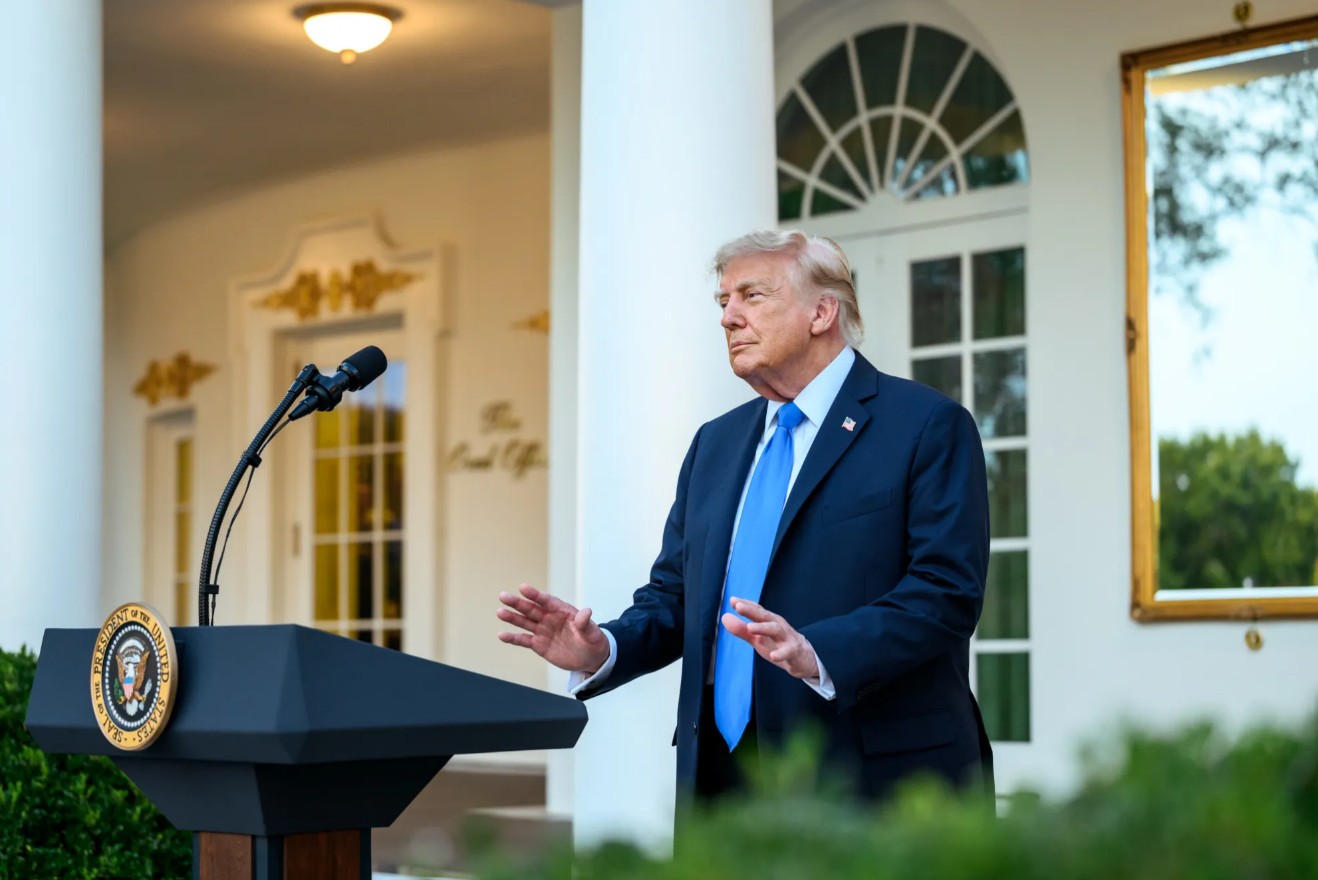
In a statement on his Truth Social platform, Trump stressed that the US is “cocked and loaded” for a military operation against the Islamic Republic “at levels of military terror, force and might unseen since World War II.”
However, he said, Tehran and other Middle Eastern nations asked Washington to hold off on the attack because “the outlines of a deal have already been agreed.”
Terms of the deal
The key conditions of a potential agreement, as Trump outlined them, are:
- immediate, full and comprehensive opening of the Strait of Hormuz to commercial shipping;
- an end to the nuclear threat from Iran.
“Based on this request, I agreed, for the future good of the entire WORLD and, accordingly, for the survival of a successful and prosperous Iran, to call off the attack provided that we can quickly conclude a DEAL,” the US leader wrote. He also said that Israel is joining this commitment and supports the pause in strikes.
Diplomatic backdrop and regional pressure
The cancellation followed intensive diplomatic consultations. On 1 August, Trump held a phone call with Saudi Crown Prince Mohammed bin Salman. According to sources, the prince stressed Riyadh’s desire for de‑escalation and expressed concern over the plans to strike Iran.
At the same time, Iranian Foreign Minister Abbas Araghchi held a series of phone conversations with his counterparts from Saudi Arabia, Turkey, Pakistan, the UK and India. In these talks, he warned that in the event of a US or Israeli attack, Iran would respond “decisively.” Representatives of Qatar and Oman also held separate talks with the Iranian side and US special envoy Steve Witkoff in an attempt to reach an agreement on reopening the Strait of Hormuz.
A week of escalation and ultimatums
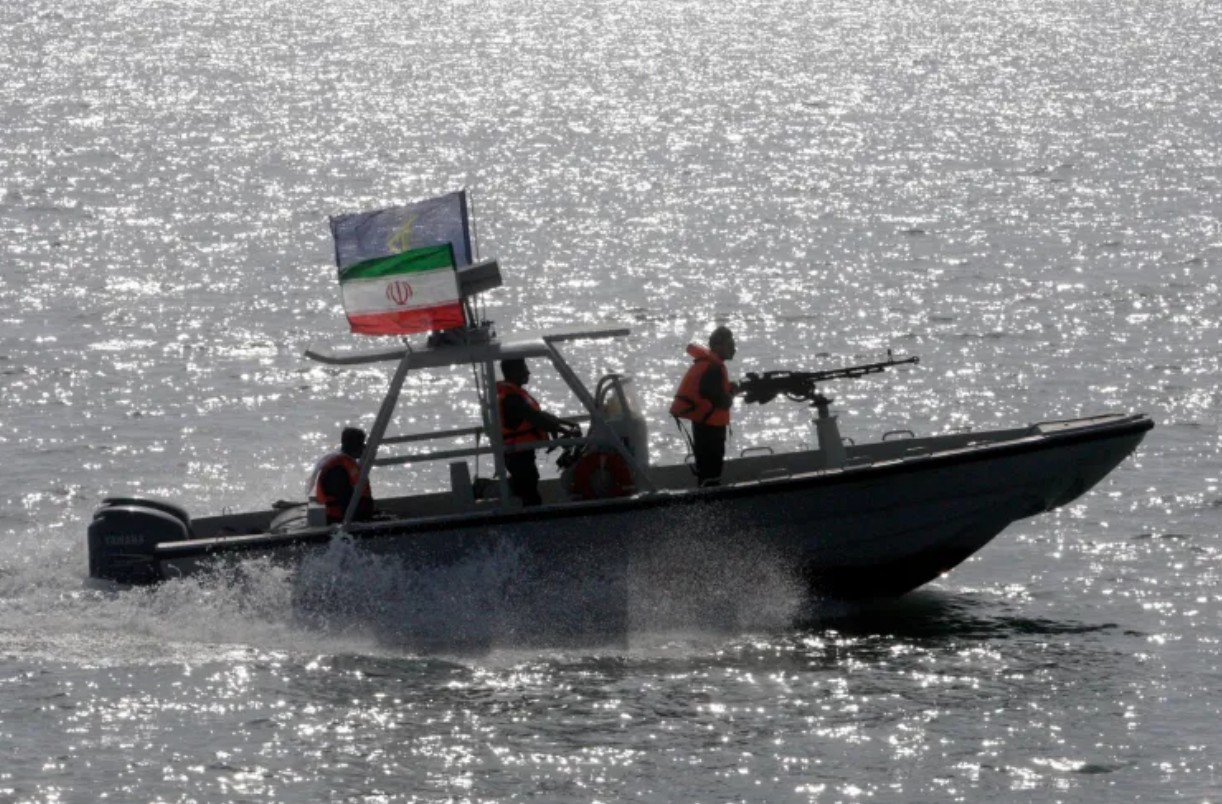
The cancellation came as an unexpected twist after several days of mounting tension. As recently as 31 July, Trump had said the US would “hit them very hard,” and media reports said the US military was preparing one of the most extensive bombardments of Iran’s energy infrastructure.
The State Department had issued an emergency warning for US citizens, urging them to leave Middle Eastern countries. Against this backdrop, on 1 August, Kuwait reported repelling a wave of Iranian drone attacks. British naval forces also recorded an attack on a tanker in the Strait of Hormuz.
Reaction and uncertainty
Iran has not officially confirmed Trump’s account of the talks. At the same time, the Israeli government has not publicly confirmed its readiness to join the pause in strikes.
Trump stressed in his statement that the cancellation is not a final abandonment of the military option, but merely a postponement on condition that a deal is reached quickly. “Get to work, everyone, and GET IT DONE,” he urged the parties.
The Middle East is frozen in uncertainty. On one hand – the US readiness for an immediate military strike; on the other – a fragile hope for a diplomatic breakthrough. The June ceasefire agreement has already been violated, and now the sides are once again balancing on the brink of war and peace. Whether the parties can “quickly conclude a deal” will determine whether the strikes follow – or whether diplomacy prevails.