NEW YORK (Realist English). Global oil markets experienced a sharp drop on 4 August after US Treasury Secretary Scott Bessent said a deal with Iran to reopen the Strait of Hormuz could be reached as early as today or tomorrow.
Brent crude fell more than 4% to a three‑week low of around $80.50 a barrel, while WTI dropped below $77.
At the same time, US and European stock markets hit record highs on optimism that unblocking the strategic waterway would stabilise global energy supplies and reduce inflationary pressure.
Bessent’s statement: ‘freedom of movement’ today or tomorrow
In an interview with CNBC, the US Treasury chief said: “We are negotiating with the Iranians. There’s a chance we could get a deal today or tomorrow to open the strait and move to a more normalised position in this conflict.” When asked whether Iran would be allowed to charge fees for passage, Bessent replied: “It will be freedom of movement.”
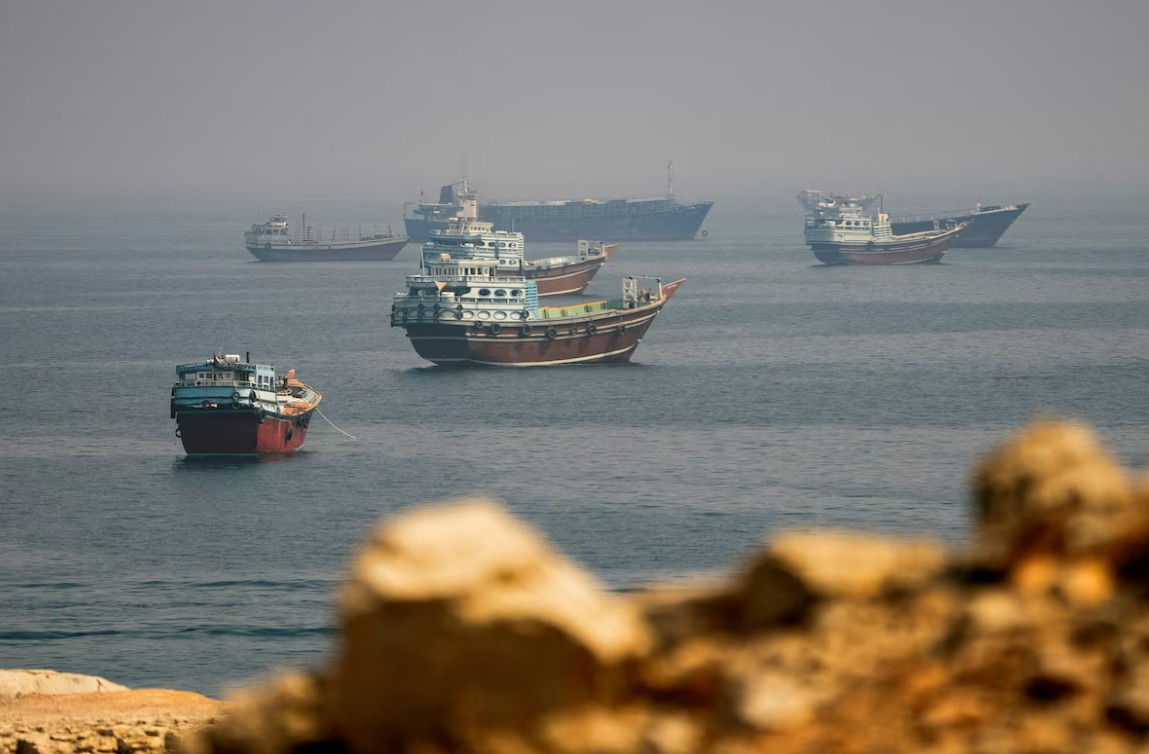
Bessent also noted that oil prices could fall further once the hundreds of vessels that have been stuck in the Persian Gulf for months finally leave the region. “It’s not just energy. It’s fertilisers, petroleum products, various industrial gases. We could see a big relief in markets when those prices come down,” he said.
Support from Doha and Washington
Bessent’s optimism was echoed by other senior officials. US Secretary of State Marco Rubio told reporters at the State Department: “Progress has been made in these talks, but nothing is final yet. We hope it will happen very soon.”
Qatari Foreign Ministry spokesman Majed al‑Ansari confirmed that diplomatic contacts had reached “very advanced stages.” According to him, mediators including Qatar, Pakistan and Oman are closely coordinating their efforts to facilitate negotiations and exchange draft proposals between Washington and Tehran. A senior Pakistani official also said: “A lot is happening behind the scenes. We are talking to both sides. Our only goal now is to get both sides to at least agree to start talks.”
Iran denies US talks but confirms progress with Oman
Despite Washington’s optimistic statements, Tehran continues to insist that no direct talks with the US are taking place. Iranian Foreign Ministry spokesman Esmaeil Baghaei stated: “We are not negotiating with the United States.”
Instead, Iran is negotiating with Oman to create a “temporary route” through the Strait of Hormuz. According to Baghaei, the sides are discussing the creation of a single bilateral transit corridor that would combine the southern route through Omani waters and the northern route through Iran’s territorial waters. This temporary route would remain in place until a permanent alternative is found.
At the same time, Baghaei stressed that the situation in the Strait of Hormuz “will not change as long as the United States continues its acts of aggression and blockade.” According to him, this is not enough to open the strait.
Details of the Iran‑Oman agreement: Tehran’s control over inbound traffic
Under the draft agreement between Iran and Oman currently under discussion, vessels entering the Persian Gulf would follow a channel controlled by Iran along its coast, while those leaving would take the Omani route. Iranian officials told The New York Times that no transit fee would be charged, but a “service fee” would be imposed to cover environmental and staffing costs, with revenues split equally between Iran and Oman.
US officials have called Iran’s interpretation “inaccurate,” insisting that any temporary routes would not require Iran’s approval and would not involve fees. As The New York Times notes, the agreement with Oman could potentially put Iran in a better position than before the war began.
Market reaction: oil falls, stocks rise
Oil prices reacted sharply to the statements from Bessent and Qatar. Brent fell 3.71% to $80.66 a barrel, while WTI dropped **4.46%** to $76.76. Earlier in the session, both benchmarks had risen more than 2% amid uncertainty over the prospects for a US‑Iran deal.
Against this backdrop, equity markets showed solid gains. The Dow Jones closed at a record high on Monday, and the S&P 500 was on track to repeat that feat on Tuesday. In Europe, the Paris and Milan indexes closed at historic highs, while Frankfurt and Madrid hit records set on Monday. Investors are betting that unblocking the Strait of Hormuz will help normalise global energy supplies and ease inflationary pressures.
Risks remain: ships continue to be attacked
Despite the optimistic statements, the situation on the ground remains tense. On Tuesday, 4 August, an unidentified projectile struck a cargo vessel off the coast of Oman. The crew had to abandon ship, and one sailor is missing. This serves as a reminder that the Strait of Hormuz remains dangerous for shipping.
In addition, Iran‑backed Yemeni Houthis are continuing their naval blockade of Saudi Arabia in the Red Sea, further restricting export routes. As ANZ analysts note, “export disruptions persist, and Iranian attacks on vessels are limiting flows.” Goldman Sachs expects Brent to remain in the $80–$90 range until either a new US‑Iran agreement is confirmed or there is a significant escalation in attacks.
Markets have priced in an optimistic scenario of a quick diplomatic breakthrough. However, contradictory statements from the sides – Bessent speaks of a deal “today or tomorrow,” while Tehran denies direct contacts with Washington – leave plenty of room for uncertainty.
As the BBC notes, “the failure of previous negotiations in recent months to de‑escalate the US‑Iran conflict has led to oil market volatility.” Trump has repeatedly promised major military action, only to back off, citing diplomatic contacts. Whether the sides can bridge their differences in the coming days will determine whether the strait actually opens – or whether markets will once again face disappointment.