WASHINGTON (Realist English). The Trump administration continues to balance on the brink of war and diplomacy in its dealings with Iran, while simultaneously facing a new legal challenge at home.
While the White House calls talks with Tehran a “last chance,” Iran denies any direct dialogue, and 25 US states have filed a lawsuit against new tariffs, labelling them “fictitious.”
The mistake Trump has avoided so far
CNN analysts note that while the war with Iran could become the defining mistake of his presidency, Trump has so far avoided one potentially fatal miscalculation: large‑scale escalation of the conflict beyond his control.
“History shows that presidents who intensify wars in search of a way out or to protect their own prestige and America’s reputation slide down a slippery slope. In Vietnam, Iraq and Afghanistan, they often did so reluctantly, in wars that could no longer be won.”
According to experts, Trump finds himself on three paths, none of which offers an easy exit: an endless campaign of airstrikes and fragile truces, escalation with strikes on Iran’s civilian infrastructure, or a painful admission of defeat and withdrawal from the conflict with unresolved objectives.
‘Last chance’ for Tehran
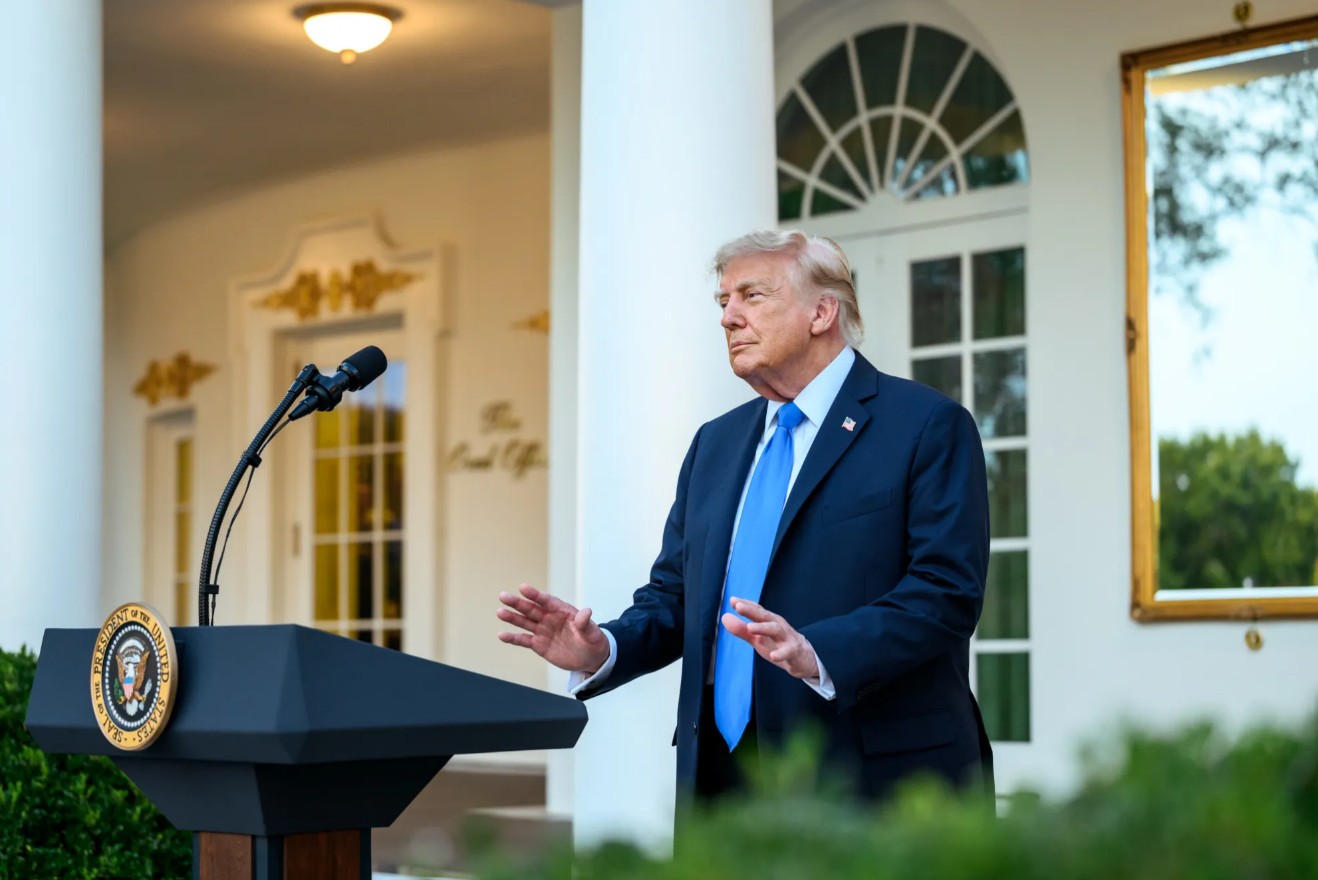
On 3 August, Trump said negotiations with Iran are “going on right now,” warning that this is the “last chance” for Tehran to sign a favourable agreement. In the Oval Office he said: “This is their last chance to sign a good document.” The president did not specify where the talks would be held or who would participate.
Earlier, on 2 August, Trump announced the cancellation of “massive” strikes on Iran, citing requests from Tehran and the Gulf states, as well as agreed “outlines of a deal.” In his Truth Social post, he claimed the deal would include the “immediate, full and comprehensive opening of the Strait of Hormuz” and an end to Iran’s nuclear threat.
Iran denies talks with the US
However, Tehran immediately rejected Trump’s statements. Iranian Foreign Ministry spokesman Esmaeil Baghaei stated: “At present, we are not conducting any negotiations with the US.” According to him, the Iranian delegation is in the country, and Tehran does not plan to receive mediators or travel for talks in the coming days.
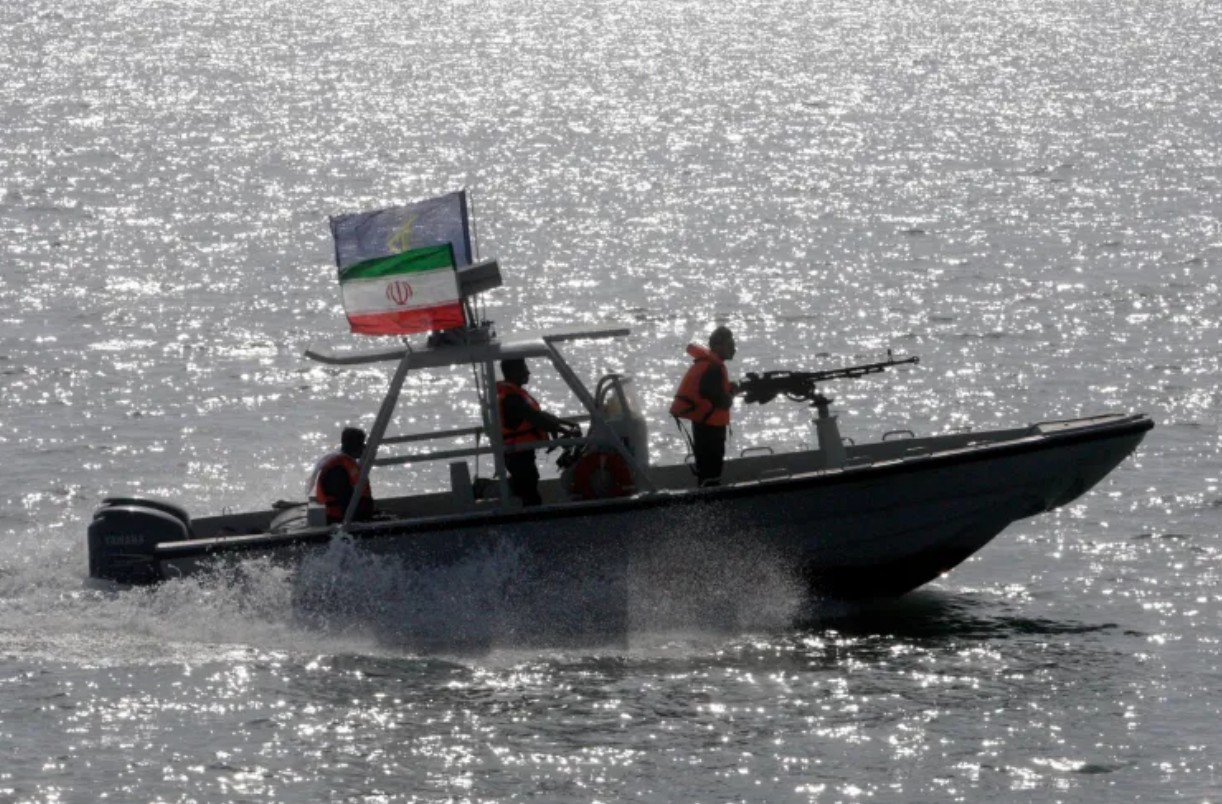
Baghaei stressed that the only negotiations taking place are bilateral consultations with Oman on creating a temporary safe shipping route through the Strait of Hormuz. “These negotiations are bilateral between two coastal states. Others may play a constructive or destructive role in this process, but the matter rests with Iran and Oman.”
Baghaei also warned that reaching an agreement with Oman is not a sufficient condition for opening the strait, and the situation will not change if the US continues its “hostile actions.”
Iran’s strategy: exhaustion and talks with Oman
As The Week notes, Trump’s repeated retreats from decisive military action – now the 12th time since the start of the conflict – suggest that even his own administration doubts the effectiveness of further strikes.
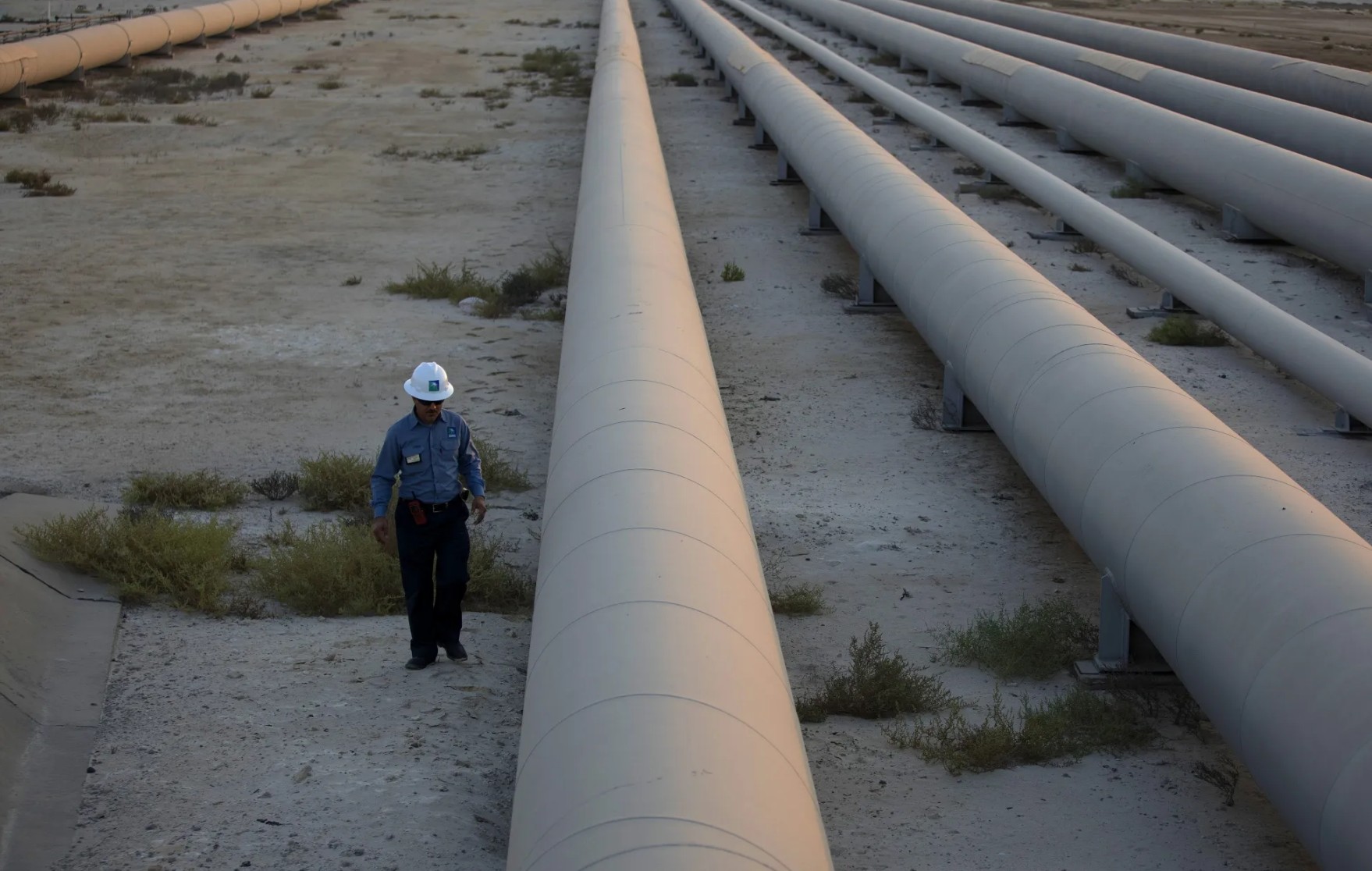
Iran, for its part, is seeking to exhaust Washington ahead of the midterm elections, using the threat to energy infrastructure, support for Houthis near the Bab el‑Mandeb Strait, and precision strikes on US positions.
At the same time, Tehran is negotiating with Oman on creating a temporary shipping corridor through the Strait of Hormuz, including an exchange of maps and discussion of a joint Omani‑Iranian maritime insurance company. Iran is using this agreement as leverage, insisting on formal recognition of its sovereignty over the strait as a precondition for a broader ceasefire.
25 states against ‘sham’ tariffs
While the White House conducts its Iran diplomacy, the Trump administration has faced a new legal challenge at home. 25 states filed a lawsuit on 3 August in the Federal Court of International Trade in New York, seeking to block new tariffs on goods from 60 countries.
The plaintiffs argue that the administration is using Section 301 investigations under the Trade Act of 1974 as a “pretext” to bypass a Supreme Court ruling that in February declared Trump’s previous global tariffs unconstitutional. “After losing in the Supreme Court, the administration is again trying to illegally raise taxes on families and businesses with a new round of tariffs,” said New York Attorney General Letitia James.
The new tariffs of 10–12.5%, imposed on 24 July, affect 60 trading partners, including India and the European Union, and cover countries accounting for 99.4% of all US imports.
The lawsuit states that “there is no rational correlation” between allegations of forced labour and the sweeping tariffs, and that the investigations were conducted in haste to preserve Trump’s tariff agenda after the court defeat. The administration, for its part, insists on the legality of the measures.
The Middle East remains in a state of uncertainty. Trump has declared a “last chance” for Iran, but Tehran continues to deny direct dialogue while maintaining control over the Strait of Hormuz. At the same time, legal resistance to the White House’s tariff policy is mounting within the US.
As Reuters notes, “conflicting statements suggest there is little prospect of a diplomatic settlement to the war in the near future.” Whether the sides can find common ground in the coming hours will determine whether strikes follow the rhetoric – or whether diplomacy and legal battles in the US continue to shape the agenda.